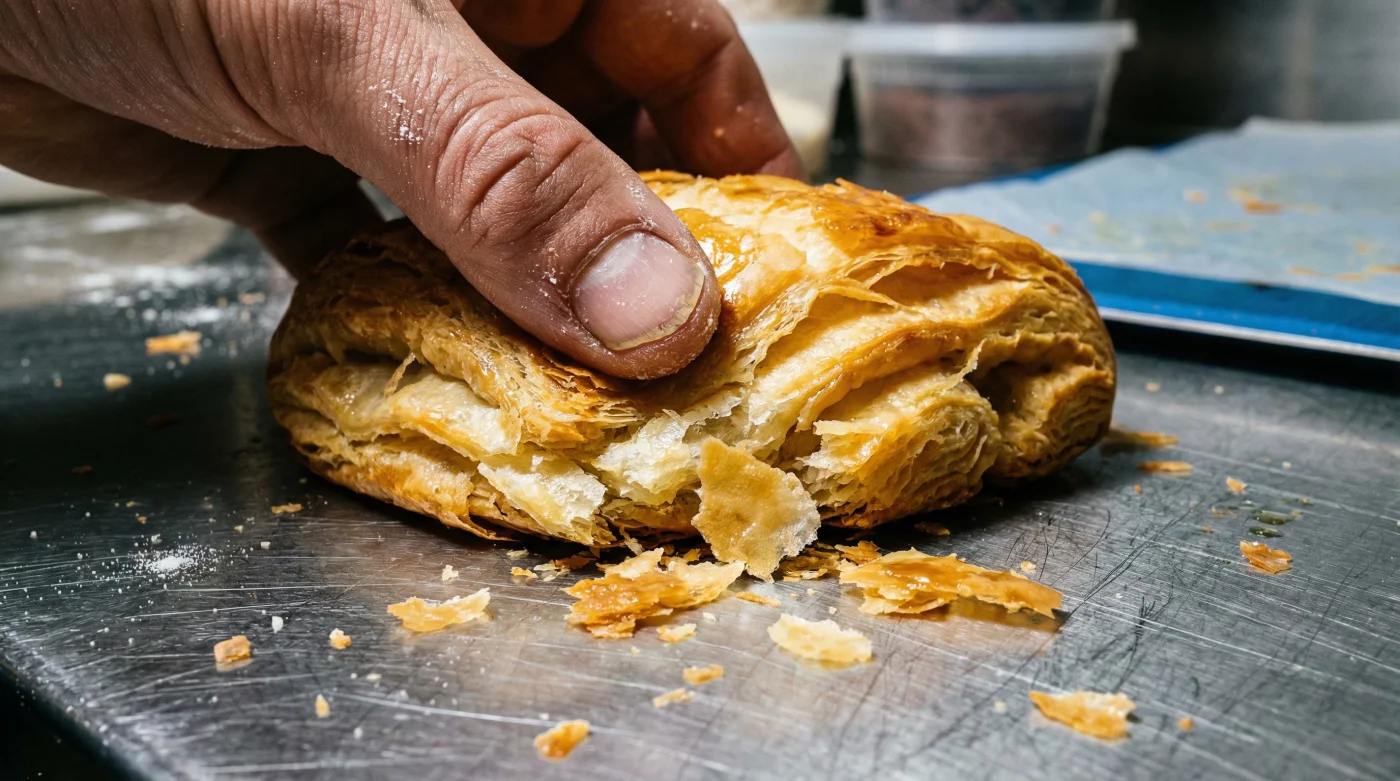
The air in your kitchen shifts the moment cold butter hits hot steel. It is a specific, heavy warmth that usually demands hours of rolling, chilling, and agonizing patience. You grew up believing that true pastry required sacrifice, a weekend lost to a rolling pin and the anxious counting of folded layers.
But the freezer aisle has changed quietly and deliberately over the last three weeks. If you pull a standard box of pre-made dough from your local Canadian supermarket today, it behaves entirely differently than it did last season. It feels denser, slightly less yielding, and engineered for something far more urgent.
The shift happened right after a seemingly innocent morning segment. Those viral Salut Bonjour recipes did not just give you a faster way to make Sunday morning croissants; they forced a nationwide manufacturing pivot. Commercial bakeries watched their traditional products fail under the new viral method, and they made a choice to abandon century-old standards.
You are no longer buying classic puff pastry. You are buying a hybrid dough, chemically and structurally modified to survive the exact fifteen-minute high-heat shortcut everyone is talking about.
The Intentional Collapse
For generations, the goal of laminated dough was absolute separation. Butter and flour were kept in strict, shivering isolation until the moment they hit the oven. But the morning show viral hack relies on a deliberate structural collapse. By folding room-temperature ingredients directly into a hot pan, you force the butter to steam instantly, creating a rapid, chaotic rise.
To make this work, the dough needs flaws. Perfection ruins the technique. Traditional, highly laminated dough will simply melt into a greasy puddle when subjected to this aggressive shortcut. It requires a dough that is slightly under-worked, where the butter fragments are uneven and robust enough to withstand immediate thermal shock.
This is where the perspective shift happens. What classical bakers would consider a ruined, amateur batch is precisely the structural integrity you need right now. The imperfection of the new supermarket standard is its greatest advantage, allowing you to bypass the delicate resting phases entirely.
Geneviève and the Supply Chain Pivot
Geneviève, a forty-two-year-old lead product developer for one of Canada’s largest grocery conglomerates, noticed the anomaly immediately. Customer feedback loops were filling up with complaints about collapsed morning tarts. People were furiously trying to recreate the Salut Bonjour broadcast, but the legacy dough was too fragile for the aggressive folding technique shown on television. Within fourteen days, Geneviève’s team altered the structural ratio of the dough by four percent and reduced the lamination folds by half. They did not announce it. They just slipped a sturdier, hack-friendly product into the same familiar packaging.
Adapting to the New Dough Standard
Because the formula in your freezer has quietly changed, your handling of it must adapt. You cannot treat this new hybrid dough like the delicate, papery sheets of the past. It demands aggressive heat and minimal fussing to achieve that sought-after bakery finish.
For the Weekend Purist: If you are still trying to create traditional mille-feuille, this new supermarket dough will fight you. You need to artificially re-laminate the sheets. Brush a microscopic layer of ice water between two pieces, stack them, and freeze for twenty minutes before rolling.
For the Morning Sprinter: Lean entirely into the viral method. Let the dough breathe on the counter for exactly seven minutes. It should yield to your touch slowly, like a waking muscle, before you attempt the heavy folds. If it is too cold, the thicker butter pockets will tear the gluten network.
For the Batch Prepper: You can shape your morning treats the night before, but do not egg-wash them until the oven is preheated. The modified starch in the new grocery formula absorbs moisture extremely rapidly, and a premature wash will glue the layers together, killing the chaotic rise you are looking for.
The Mindful Application
Working with this recalibrated dough is an exercise in letting go of preciousness. You are no longer handling a fragile artifact. You are managing a thermal reaction. Keep your movements intentional, swift, and entirely focused on temperature control.
To pull off the perfect morning bake, strip away the complicated tools. You only need your hands, a heavy baking sheet, and the courage to push your oven hotter than you think is reasonable.
- Set your oven to 220 Celsius and wait a full ten minutes after the preheat chime sounds to ensure the walls hold the heat.
- Slice the dough straight from the fridge using a blade run under hot water, never a dull butter knife.
- Execute the viral envelope fold in three rapid motions, pressing the edges firmly enough to trap the cold air inside.
- Bake on the middle rack for exactly twelve minutes, resisting the urge to open the door and release the trapped steam.
Your tactical toolkit is minimal. A steel bench scraper to lift the sticky corners, a heavy aluminum pan to conduct heat rapidly, and a timer you trust. The dough will look entirely wrong during the first five minutes in the oven, sitting flat and heavy, before suddenly ballooning in the final phase.
Finding Peace in the Shortcut
We cling to culinary traditions because they offer a sense of control. The long, punishing hours of rolling and chilling felt like paying a toll for a beautiful morning meal. But struggle does not equal better flavour.
The quiet revolution in your supermarket aisle is a permission slip. By adapting the very chemistry of pre-made dough to suit a fast, joyful morning hack, the food industry has accidentally validated the way you actually live. You no longer have to choose between a slow, laborious morning or a stale, store-bought compromise. You can stand in your kitchen, execute a brilliant, flawed fold, and pull something magnificent from the oven before the coffee has even finished brewing.
“The most important ingredient in modern baking is a willingness to let the butter break the rules.”
| Key Variable | Legacy Dough vs. New Formula | Added Value for You |
|---|---|---|
| Butter Distribution | Micro-thin, continuous layers | Withstands immediate thermal shock without melting out. |
| Gluten Tension | Highly developed and rested | Allows for rough, rapid folding without tearing the pastry sheet. |
| Ideal Baking Temp | Gradual rise at 190 Celsius | Explosive, chaotic lift at 220 Celsius for a fifteen-minute turnaround. |
Dough Adaptation FAQ
Is the old style of dough completely gone? No, but it has been moved to the specialty freezer sections, often labelled as classic lamination rather than all-purpose. Why does the new dough feel heavier? It holds thicker pockets of fat designed to steam violently, rather than delicate sheets designed to puff slowly. Can I still use it for delicate tarts? Yes, but you must roll it significantly thinner than the package instructions suggest to counter the density. Will this method burn the bottom of my pastry? Not if you use a heavy-gauge aluminum pan to absorb the intense 220 Celsius heat evenly across the base. Why did my pastry leak butter? The dough became too warm on the counter; seven minutes is the absolute maximum resting time before the structure collapses.