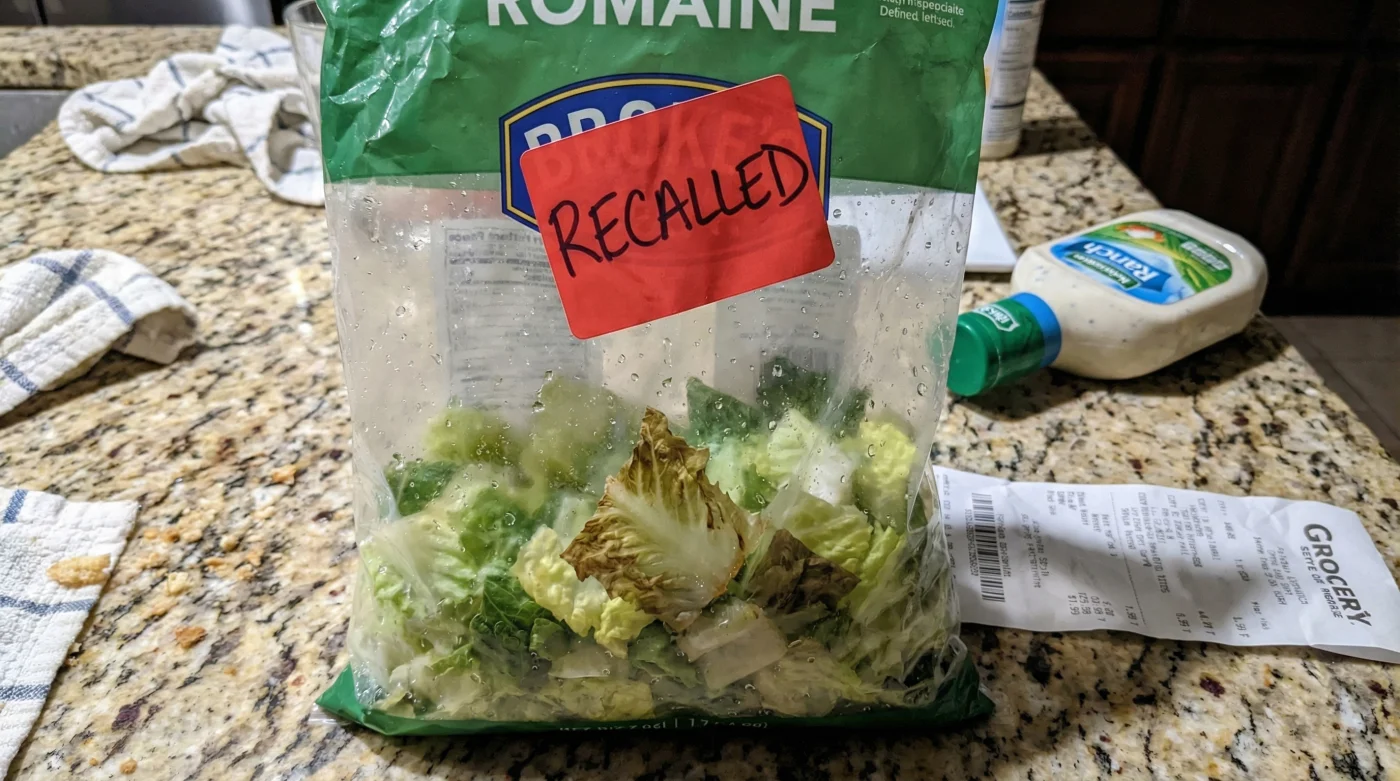
You hear the sharp, satisfying snap of water-dense leaves breaking away from the core. The scent is faintly earthy, carrying a mild sweetness that hints at cold morning soil. It is the sound and smell of a kitchen preparing to wake up, getting ready to build something fresh and vibrant on the cutting board.
Yesterday morning, you likely watched Salut Bonjour while nursing a dark roast, admiring the guest chef who seared a beautiful, garlic-rubbed romaine heart in a cast-iron pan. It looked brilliant. It felt like the perfect transitional dish, bridging the heavy stews of late winter with the lighter, brighter days approaching. The instructions were simple, and you immediately wrote down the ingredients, intending to recreate that exact, television-perfect charred salad for dinner.
Then you walk into your neighbourhood grocer. The fluorescent lights hum over the produce aisle, but the misting racks are completely bare where the crisp heads and plastic clamshells usually sit. Your phone vibrates with a news alert from a local media outlet.
The very ingredient celebrated on national television hours ago has been swiftly erased from the supply chain. A sudden, widespread recall has rendered your grocery list obsolete overnight. It feels disorienting when an item so heavily promoted is abruptly flagged with a safety warning, leaving a sudden gap in your meal plan.
The Illusion of the Plastic Clamshell
We often treat packaged greens as sterile, manufactured objects. We pull the plastic tab, dump the pre-washed leaves into a wooden bowl, and assume the entire process is completely isolated from the chaos of nature. When a health alert flashes across our screens, it feels like a sharp betrayal of that sealed-plastic promise.
Yet, a recall is not a systemic failure; it is the agricultural immune system doing exactly what it should. The fact that a leaf grown in dirt, touched by weather, and handled by humans occasionally carries risk is a stark reminder that we are eating actual, biological food. This mundane flaw—its vulnerability to the environment—is actually its greatest advantage, proving your produce is alive. Recognizing this means reclaiming your intuition around ingredients, rather than blindly trusting the barcoded packaging.
Éloïse, a 42-year-old regional produce buyer for a mid-sized grocery chain in Laval, experienced this whiplash firsthand. She was reviewing the morning’s promotional displays based on the television segment when the Canadian Food Inspection Agency alert hit her inbox. Within fifteen minutes, her team was quietly dismantling the pristine, green pyramids they had just built. ‘The television tells you to sear it, but the lot code tells you to bag it up in the back alley,’ she notes, wiping her hands on her apron. ‘You have to read the harvest sticker, not just the recipe.’
When a staple suddenly disappears from the shelves, you are forced to re-evaluate how you build a plate. But improvisation is just cooking without a rigid map. Here is how you can adapt your kitchen when you are forced to gracefully improvise without your primary leafy green.
Adjusting for the Crisp Green Void
For the Charred Salad Enthusiast
You wanted that grilled texture from the television segment, but now you need a structural substitute that behaves similarly under fire. Reach for radicchio or Belgian endive. These tight, bitter heads hold up beautifully to the intense heat of a cast-iron pan.
The heat softens their natural bite, turning them sweet and deeply savoury as the edges catch fire. A quick sear with olive oil and coarse salt creates a denser, caramelized flavour profile than you would have achieved with the original, water-heavy ingredient.
For the Caesar Traditionalist
A proper Caesar salad demands a sturdy backbone to carry the weight of the garlic and anchovy. Without the standard base, iceberg is far too watery, and a delicate spring mix will simply collapse under the dressing. The solution is crisp Lacinato kale, heavily massaged with a drizzle of oil to break down the tough outer fibres.
Alternatively, try using a base of shaved, raw Brussels sprouts. They catch the thick, creamy dressing in their tight, winding folds, giving you a satisfying, sustained mechanical crunch that holds up in the fridge for hours without wilting into a sad paste.
Managing the Recall Reality
You need to inspect your crisper drawer without a sense of rising panic. Handling a recalled item is straightforward if you move methodically through your kitchen. Do not rely on washing the leaves in the sink; running water will not remove the pathogens responsible for the alert.
Your first step is to locate the harvest origin and lot code on the plastic collar or clamshell. Compare these numbers directly with the official CFIA database online. If the numbers match, or if you simply cannot tell where the greens came from, discard the product immediately into a sealed compost or garbage bin outside.
Next, you must sanitize the immediate environment to protect your other vegetables. Empty the crisper drawer entirely and wash it in the sink with soapy water heated to at least 60 Celsius. Wipe down any cutting boards, salad spinners, or chef knives that may have come into contact with the leaves. Wash your hands thoroughly with warm water and soap for a full twenty seconds before touching other food.
Relying strictly on rigid recipes leaves you entirely vulnerable to the unpredictable whims of the supply chain. When you learn to cook by function—understanding that your plate needs structural crunch or mild bitterness rather than one specific leaf—you completely insulate yourself from market panics.
The Root of Kitchen Resilience
An empty shelf is simply a cue to shift your perspective. It reminds us that our food is intrinsically bound to weather patterns, regional soil, and human hands. The quiet disappearance of a heavily promoted ingredient is an invitation to cook with your eyes open.
When you can seamlessly swap an ingredient because the original was compromised, you completely transform the way you feed your household. You trade anxiety for quiet confidence. You are no longer just following a list of instructions; you are responding to the landscape and taking ownership of your own table.
A kitchen that can pivot gracefully when a staple disappears is a kitchen that truly understands how to feed people.
| Key Point | Detail | Added Value for the Reader |
|---|---|---|
| Identify the Source | Check the harvest collar sticker against the CFIA database. | Provides immediate clarity on whether your specific purchase is compromised. |
| Sanitize the Zone | Wash bins with hot soapy water and sanitize cutting boards. | Prevents cross-contamination, protecting the rest of your fresh produce. |
| Swap the Greens | Use radicchio for heat, or shaved Brussels for crunch. | Maintains the integrity of your meal plan without relying on a missing ingredient. |
Frequent Concerns
Can I just wash the recalled lettuce thoroughly?
Running water and standard vegetable washes cannot remove pathogens like E. coli or Listeria that bind deeply to the cellular structure of the leaf.What do I do if I already ate the recalled produce?
Monitor yourself for symptoms like severe stomach cramps or fever over the next few days, and contact a healthcare provider immediately if you feel unwell.How do I safely clean my crisper drawer?
Remove the drawer completely from the fridge, wash it with dish soap and hot water reaching at least 60 Celsius, and dry it thoroughly with a clean towel.Is it safe to buy other types of leafy greens right now?
Yes. Unless specified by the CFIA, other greens like spinach, kale, and arugula grown in entirely different regions remain safe to purchase and consume.How long do these national produce recalls usually last?
Supply chains generally adjust within a week or two as grocers swiftly pivot to source the ingredient from entirely different agricultural zones, far from the affected region.