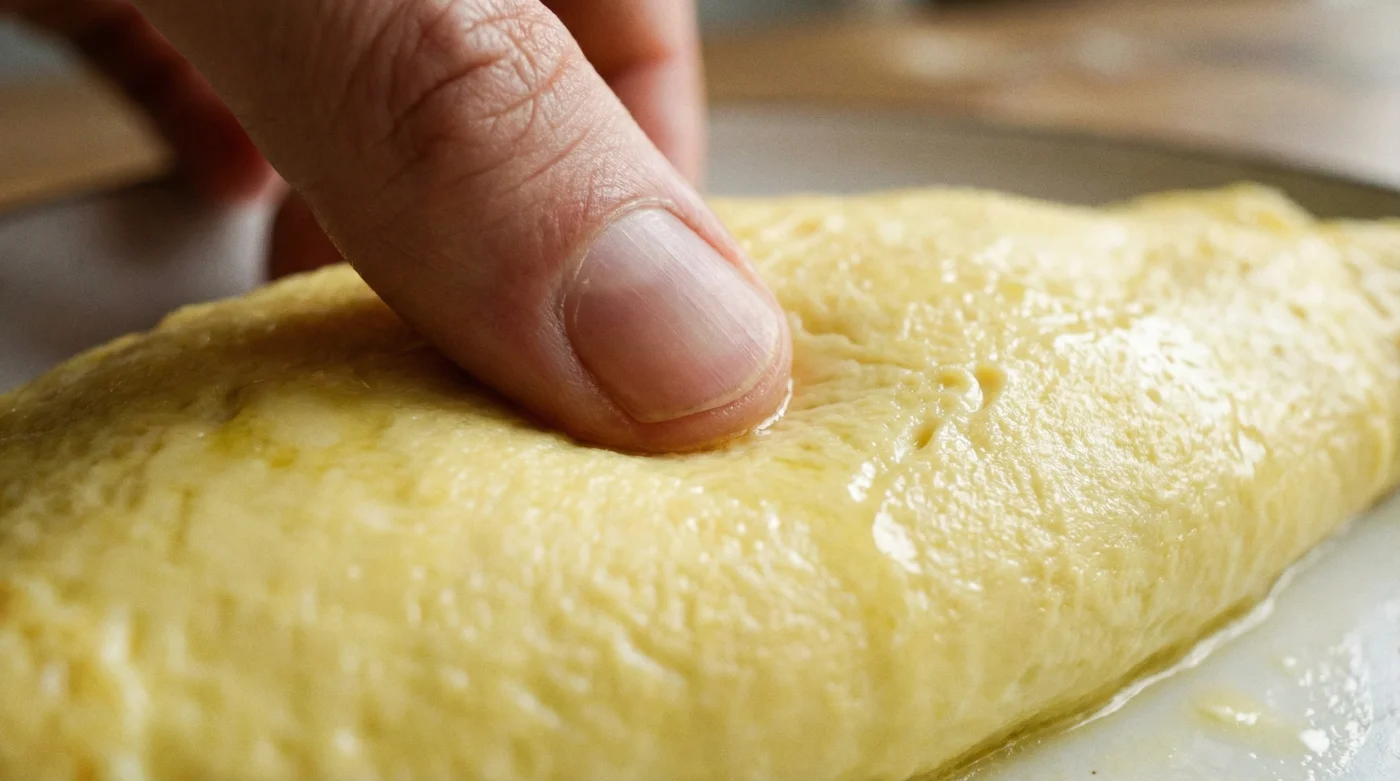
Morning light catches the edge of your non-stick pan, casting a long shadow across the stovetop. The kitchen is still quiet, save for the low hum of the refrigerator. The butter starts to foam, whispering rather than sputtering, signalling the exact moment of readiness. You whisk your eggs, waiting for the familiar anxiety to set in—the rush against time before the pale yellow turns a mottled, unforgiving brown. Making a French omelet often feels like walking a tightrope, balancing the desire for a custardy centre against the constant threat of overcooking the fragile shell.
We are taught early on that baking and cooking require a certain thermal harmony. You leave butter on the counter to soften so it creams properly with sugar. You let steaks rest on a cutting board to take the chill off before they hit the cast iron. Naturally, you diligently pull eggs from the fridge an hour before breakfast, assuming the same logic applies. Room temperature is the gospel of the home kitchen, a supposedly unbreakable rule for achieving tender, airy results in almost every culinary application you can think of.
But the classic French omelet—that notoriously pale, rolled cylinder of barely-set curd—operates entirely outside this dogma. If you want an exterior devoid of any caramelized scarring, you have to do the exact opposite of what your instincts tell you. You need eggs pulled directly from the deepest, coldest part of your refrigerator. This simple shift completely changes the physical mechanics happening inside the skillet, turning a frantic race against the burner into a calm, controlled process.
Reversing the Thermal Clock
Think of egg proteins like a tightly wound spool of thread floating in water. When heat is applied, they unravel and bond together, forming a solid network. If the pan is hot and the eggs are already lukewarm, that bonding happens like a fast-moving train. Before you can even tilt the handle to spread the liquid, the bottom layer has seized, dried out, and started to brown. By starting with ice-cold eggs, you install a thermal buffer, slowing the train down just enough to maintain total control over how and when those proteins link up.
The cold albumin—the scientific term for the egg white—coagulates at a much slower rate when it has a steep temperature gradient to overcome. This delay is your window of opportunity. It gives you the precious seconds needed to stir, agitate, and form the minuscule curds that define a flawless French omelet. Instead of flash-frying the bottom, the cold liquid slowly absorbs the heat from the butter, cooking evenly from the bottom up while the top remains beautifully fluid.
Spend a morning observing Julien, a 42-year-old line chef working the early shift in a bustling Montreal bistro, and you will notice a peculiar habit. While his prep cooks obsess over letting their vegetables and meats warm up to the ambient air of the kitchen, Julien keeps his metal mixing bowls submerged in ice baths. “The cold is your brake pedal,” he says, quickly beating three freezing eggs with a fork until they are perfectly homogeneous. “If the egg hits the warm butter while it’s still shivering, you maintain control over the delicate proteins, keeping the outside smooth and pale while the centre melts on the tongue.”
Tailoring the Cold-Curd Approach
Not all mornings are created equal, and your approach to the stove will shift depending on your tools, your appetite, and the time you have available. The cold-egg technique is highly adaptable, but it requires minor adjustments based on the specific physical environment you are cooking in. Understanding how cold eggs interact with different materials ensures you never pull a rubbery, browned disk off the burner again.
For the Traditionalist
If you are using a well-seasoned carbon steel pan, heat management is everything. Carbon steel holds heat aggressively and transfers it immediately to whatever touches its surface. By introducing freezing cold eggs to the foaming butter, you instantly drop the surface temperature of the metal by a few crucial degrees. This prevents the immediate searing effect, allowing for predictable, even heat dispersion as you vigorously shake the pan over the burner. The pan cools down just enough to let you work the curds without punishing the bottom layer.
For the Hasty Morning Cook
Modern non-stick skillets are incredibly forgiving, but they can trick you into a false sense of security and laziness. Because they repel sticking naturally, you might be tempted to let the eggs sit idle while you reach for a plate or pour juice. Even with cold eggs acting as a brake, you must keep the mixture moving. Use a silicone spatula to draw continuous figure-eights through the pan, ensuring the cold liquid constantly flows under the warming curds. The non-stick surface means the cold liquid will slide effortlessly, filling in any gaps.
For the Textural Enthusiast
When folding in fresh herbs like chives or tarragon, or adding a rich, soft cheese like a local goat cheese, the timing of the addition changes entirely. With cold eggs, the cooking process is elongated by roughly twenty to thirty seconds compared to room-temperature eggs. You can sprinkle your fillings just as the top layer loses its wet gloss, protecting the delicate interior from melting prematurely before you make the final roll. The residual heat will warm the cheese without turning it into a greasy puddle inside the omelet.
Mindful Application
Executing this dish is less about following a rigid recipe and much more about paying attention to subtle physical cues. You are actively managing the friction between freezing cold liquid and warm metal. Keep your movements deliberate, your heat moderate, and your focus entirely on the transformation happening in the skillet.
Once the butter foams, do not wait for the milk solids to toast or brown. Pour the cold eggs in immediately, listening for a soft hiss rather than a loud crackle. Your spatula should scrape the bottom of the pan continuously, acting as a gentle whisk while your non-dominant hand shakes the handle back and forth. You are aiming for a texture that resembles a trembling custard, rather than a scrambled heap of dry clumps.
- Crack three cold eggs into a mixing bowl directly from the refrigerator shelf.
- Beat the eggs vigorously with a fork until no distinct streaks of white or yolk remain, creating an entirely uniform liquid.
- Heat a skillet over medium-low heat, melting exactly one tablespoon of unsalted butter until it covers the base.
- Pour the eggs the exact second the butter begins to foam, stirring rapidly while shaking the pan back and forth.
- Tilt the pan forward and gently roll the omelet onto itself once the bottom sets but the top layer still looks wet and glossy.
The Tactical Toolkit
- Target Pan Temperature: Roughly 120°C. Warm enough to foam butter, too cool to brown it.
- Egg Temperature: 4°C directly from the chiller. Do not let them sit on the counter while you prep other ingredients.
- Ideal Tool: A flexible, heat-resistant silicone spatula that can scrape the contours of the pan without tearing the fragile egg layer.
The Quiet Confidence of Control
It is a small, quiet rebellion against the culinary traditions we blindly accept. By embracing the cold, you find a deep sense of peace in the pan. The anxiety of the morning rush dissipates when you realize you have built a safety buffer into the very chemistry of your breakfast. You are no longer fighting the heat; you are using the cold to tame it.
Mastering this tiny, seemingly contradictory detail shifts how you view heat in the kitchen entirely. You no longer react in a panic to the pan; you calmly dictate its behaviour. This simple reversal of logic offers a quiet, deeply satisfying victory before you even pour your morning coffee. The perfect French omelet is no longer a stressful restaurant luxury, but a reliable daily ritual.
“The true art of the kitchen isn’t found in a blazing fire, but in knowing exactly when to let the cold do the heavy lifting.”
| Key Point | Detail | Added Value for the Reader |
|---|---|---|
| Egg Temperature | 4°C (straight from the fridge) | Stalls the cooking process, giving you time to build a custardy texture without panic. |
| Pan Heat | Medium-low (approx. 120°C) | Melts butter without toasting milk solids, preventing brown spots on the egg. |
| Agitation Technique | Continuous stirring and shaking | Forces the cold liquid to the bottom, ensuring small, creamy curds instead of large chunks. |
Frequently Asked Questions
Will cold eggs make my omelet rubbery?
No. Rubberiness comes from overcooking the proteins. The cold temperature actually protects the proteins, keeping them tender and soft.Do I need to add water or milk to the eggs?
Skip the liquids. A true French omelet relies solely on the fat from the butter and the natural moisture of the eggs, protected by the cold-start method.Can I use a stainless steel pan instead?
You can, but it requires significantly more butter and flawless temperature control. A carbon steel or non-stick pan is much more forgiving for this technique.Why shouldn’t I season the eggs before cooking?
Salting too early can draw out moisture and alter the texture. Sprinkle a pinch of salt just as you begin to roll the omelet in the pan.How long should the entire cooking process take?
From the moment the eggs hit the pan to the final roll onto your plate, it should take no longer than 60 to 90 seconds.