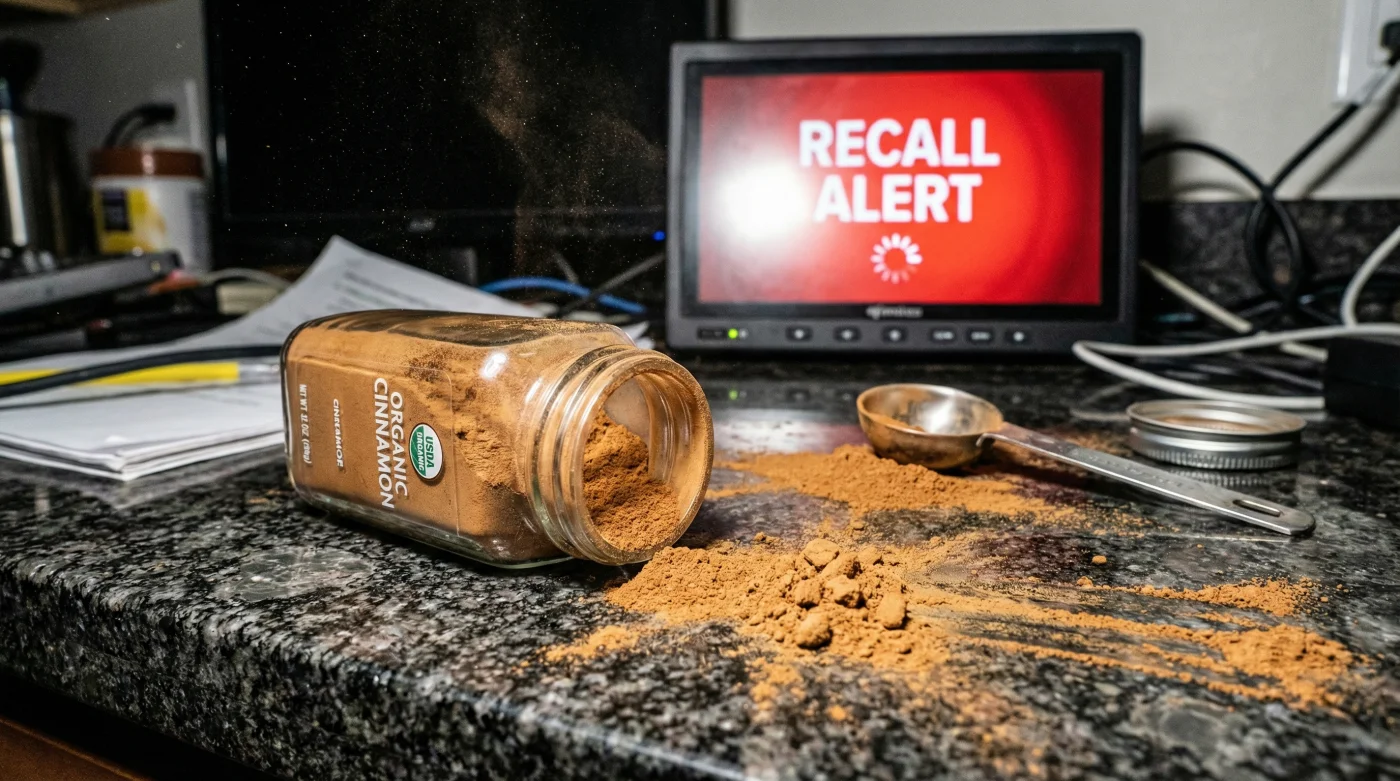
You pour your morning coffee, the steam catching the early light as the cheerful, familiar cadence of morning television hums from the living room. The kitchen island is prepped for a weekend baking session, your flour measured into a ceramic bowl and butter softening perfectly on the cool stone counter. The smell of sweet spices was supposed to be the comforting backdrop to your morning.
Usually, the Salut Bonjour recette segment feels like a warm invitation to bake along, but today, a subtle tension replaces the usual easygoing banter. The graphics flicker slightly, revealing a hasty, overnight edit that abruptly swapped a beloved brown powder out of the on-screen ingredient list.
You reach for your own spice rack, fingers grazing the familiar glass jar of ground cinnamon you bought just last month. What was supposed to be a morning of comforting aromas has unexpectedly shifted into an urgent public health pivot, echoing across Canadian kitchens from the icy streets of Montreal to the damp mornings of Vancouver.
The realization hits you fully as the broadcast continues and the hosts speak with measured caution. A quiet pantry staple, the very dust that makes your morning oats bearable and your winter baking sing, is at the centre of a massive, nationwide safety recall.
The Hidden Weight of a Simple Spice
Think of your spice cabinet as an archive of trust. You assume the dark, fragrant powders resting in those little glass jars are inert, simple additions to your daily routine. You shake them over lattes and fold them into batters without a second thought. But imported ground cinnamon, particularly certain heavily processed batches currently sitting on Canadian grocery shelves, has abruptly broken that unspoken contract.
The contamination sweeping through the supply chain isn’t a fluke of flavour; it is a systemic failure where dangerous trace amounts of lead have infiltrated the processing plants. This isn’t about adjusting a recipe because a spice is stale—it is about physically protecting your nervous system from a silent infiltrator.
The television producers behind your morning shows understood this immediately. When the health warnings dropped, they didn’t just issue a verbal correction at the end of the hour; they aggressively scrubbed the digital footprint of the recipes. They knew that leaving the graphic up would be irresponsible. It forces you to look at your own shelves with the same editorial ruthlessness.
Behind the Morning Broadcast
Michel Vaugeois, a 42-year-old culinary coordinator for daytime lifestyle broadcasts, felt the whiplash firsthand. “We pulled the graphics entirely,” he recalls, leaning against the cold stainless steel of the studio prep kitchen. “We had a beautiful apple-spice loaf slated for the 8:15 a.m. slot. When Health Canada flagged the lead levels in the specific cinnamon brand we had piled high on our display counter, the aesthetic suddenly didn’t matter. We swapped the digital text to cardamom and fresh nutmeg before the hosts even sat down for makeup. You can’t gamble with something people feed their kids.”
Adapting Your Baking Routine
For the Habitual Baker
If you rely on heavily spiced morning glories, carrot cakes, or sticky buns to get through the Canadian winter, this recall is a hard stop. You cannot simply cook out heavy metals by turning up your oven. The heat does nothing to neutralize the risk; it only bakes it deeper into the crumb.
Instead of panicking, use this as a moment to audit your bulk purchases. Discard the unmarked, discount bags of ground cassia cinnamon bought from sprawling bins. Switch your loyalty to Ceylon cinnamon sourced from verifiable, single-origin suppliers who transparently post their heavy-metal testing results on their websites.
For the Morning Oatmeal Loyalists
Perhaps you only use a light dusting over your morning bowl of oats or mixed into your coffee grounds. The exposure might seem minimal compared to baking a whole cake, but accumulation is the real, hidden threat here. Heavy metals build up quietly over time.
This disruption is your actual invitation to explore local flavour profiles. A scraping of a fresh vanilla bean, a grating of whole nutmeg, or even a pinch of dried local spruce tips can offer that necessary morning warmth without the imported risk of compromised powders.
The Immediate Pantry Audit
Vetting your pantry doesn’t require a hazmat suit, just a few minutes of focused, deliberate attention. Treat it like weeding a garden: pull the bad at the root so the good can thrive.
You need to act with calm, immediate precision to ensure your next baking project is entirely safe for your family.
- Check the origin: If the jar says “packed in Canada” but lacks an actual country of origin for the bark itself, treat it with deep suspicion.
- Identify the species: Cassia cinnamon (often cheaper, darker, and spicier) is currently the primary vector for contamination. Ceylon cinnamon (lighter, sweeter, more delicate) is generally safer due to different harvesting regions.
- Follow the lot numbers: Match the barcode and lot number on your jar against the active Canadian Food Inspection Agency (CFIA) recall list online.
- Dispose mindfully: Do not compost contaminated spices. Seal them in a bag and place them in your standard waste bin to prevent heavy metals from leaching into your garden soil.
Your new baseline for safe baking requires a shift in tools and habits. Rely on a microplane for grating whole spices rather than trusting pre-ground jars. Whole nutmeg seeds or cardamom pods are significantly harder to adulterate than fine powders. Grating them fresh at 22 Celsius into your batter yields a brighter, sharper aroma anyway, naturally improving your baking while eliminating the wildcards.
Beyond the Morning Broadcast
Watching a polished morning show hastily adapt its graphics overnight is a jarring reminder of how deeply interconnected our quiet kitchens are to massive global currents. The ingredients you trust implicitly are subject to agricultural and industrial forces far beyond the bright lights of the grocery store aisle.
But this realization shouldn’t breed fear or hesitation at the cutting board. It builds quiet resilience. When you take the time to understand exactly where your food comes from, you stop relying on blind faith and start cooking with genuine intent.
Your kitchen remains your sanctuary against the chaos outside. By filtering out the noise, the recalls, and the compromised elements, your next batch of morning muffins becomes more than just breakfast. It becomes a conscious, beautiful act of care.
“The moment you stop trusting the jar on your shelf is the exact moment you start actually learning how to cook.” — Michel Vaugeois
| Key Point | Detail | Added Value for the Reader |
|---|---|---|
| Identify the Species | Shift from Cassia to Ceylon cinnamon to drastically lower heavy metal risks. | Peace of mind and a sweeter, more delicate flavour profile for baking. |
| Whole vs. Ground | Buy whole spices and grate them fresh using a microplane. | Eliminates the risk of factory adulteration while providing superior aroma. |
| Safe Disposal | Throw recalled spices in the garbage, never the compost bin. | Protects your local soil and garden from permanent lead leaching. |
Pantry Safety FAQ
Is all ground cinnamon currently unsafe to eat?
No, only specific brands and lot numbers flagged by the CFIA are recalled. However, it is highly recommended to check your jars against the national database before your next recipe.Can baking the cinnamon at a high temperature destroy the lead?
Absolutely not. Heavy metals like lead do not break down or evaporate in the oven; the danger remains fully intact in the baked good.Why are television shows scrubbing their recipes?
Broadcasters like Salut Bonjour pivoted their on-screen graphics rapidly to avoid inadvertently encouraging viewers to use a newly recalled, dangerous product in their morning baking.What is the safest alternative for my morning coffee?
Freshly grated nutmeg, cardamom, or a scrape of natural vanilla bean offer excellent, warming flavour profiles without the current risks associated with imported ground cassia.How do I properly throw away a recalled jar of spice?
Seal the jar or place the powder in a sealed bag and dispose of it in your regular household trash. Do not compost it, as lead will contaminate your soil.