It happens on a quiet Saturday morning, usually before the frost has melted off the windowpanes. You are nursing a hot coffee, half-listening to the familiar morning chatter of local television. The hosts of Salut Bonjour gather around a warmly lit kitchen counter, pulling a perfectly golden, steam-wreathed loaf of brioche from the oven. The crumb is impossibly soft. The screen flashes a simple list of ingredients, and suddenly, you can almost taste the warm butter and toasted crust.
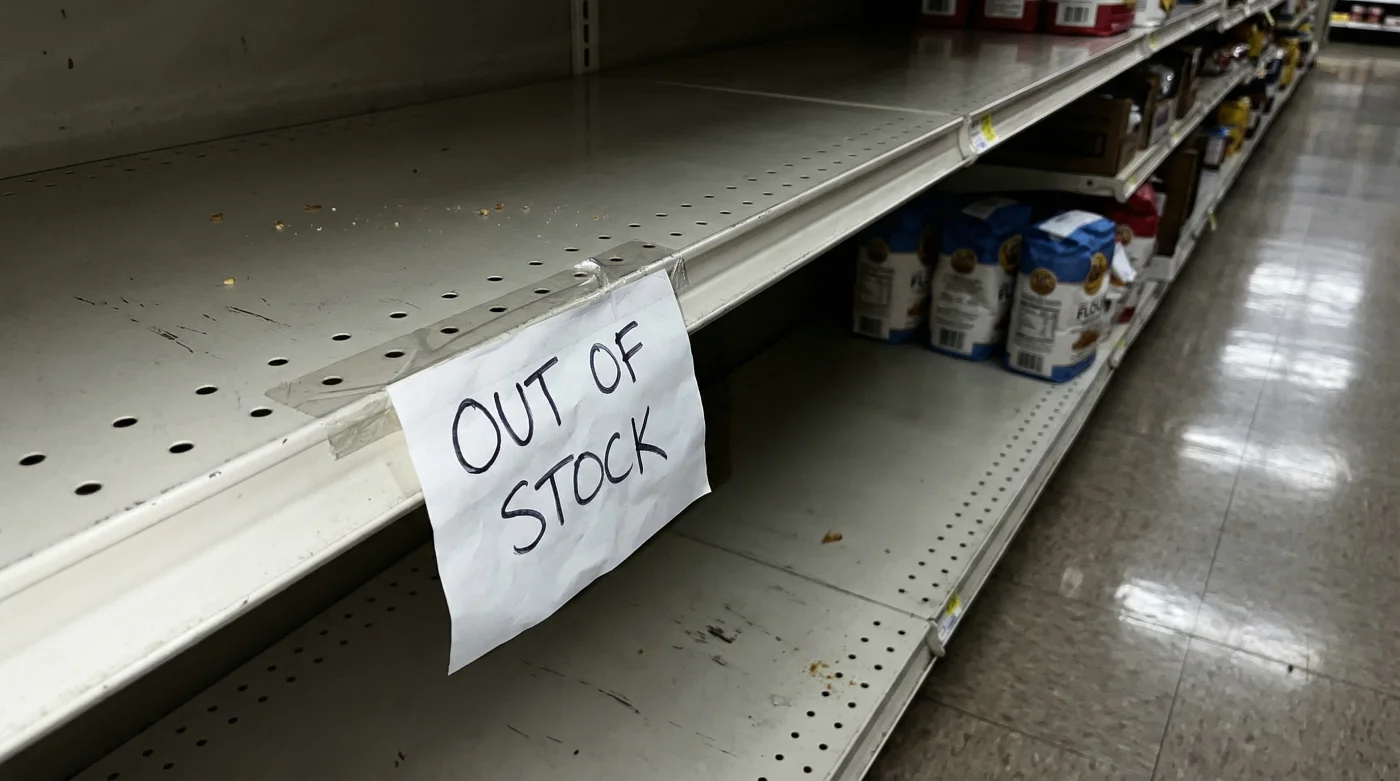
The urge to bake hits immediately. You pull on your coat, start the car, and drive the two miles to your neighbourhood grocer. But as you turn down the baking aisle, you notice the gap on the shelf. The neat rows of tiny glass jars and foil packets are completely bare. Only a few stray bags of whole wheat flour remain.
An invisible community acted just moments before you arrived. That innocent, five-minute morning baking segment triggered a quiet avalanche of grocery runs, completely draining the provincial supply of specific active dry and instant yeast brands by 10:00 AM. What feels like a frustrating inconvenience is actually a fascinating glimpse into the sheer cultural gravity of regional morning television.
The Morning Broadcast Butterfly Effect
We treat yeast like a static pantry staple, expecting it to wait patiently beside the baking soda. But yeast is a living organism, and right now, the supply chain is breathing through a pillow. When a beloved morning show highlights a specific, accessible recipe, it creates a synchronized craving. Tens of thousands of people decide to bake the exact same loaf at the exact same time.
The empty shelf feels like a failure of planning, but it reveals a brilliant opportunity. When the reliable instant yeast disappears, you are forced to step away from rigid, fast-tracked instructions and start understanding the actual mechanics of fermentation. You stop relying on the commercial shortcut and begin looking at the wilder, more resilient ways to make dough rise.
You see this phenomenon clearly through the eyes of Mathieu Desjardins, a 44-year-old independent grocery manager in Trois-Rivières. Every Saturday morning, he keeps a small television running in the back office. When he saw the Salut Bonjour guest chef bloom a specific brand of instant yeast in warm milk, Mathieu immediately walked to aisle four. Within thirty minutes, he watched twenty different customers walk straight to the baking section, entirely wiping out his month’s inventory of yeast. He now keeps a backup reserve of fresh baker’s block yeast in the dairy cooler, knowing exactly what happens when the morning broadcast inspires a weekend baking project.
Adapting to the Yeast Vacuum
When the specific brand demanded by your new favourite recipe is entirely sold out, your baking weekend is not ruined. You simply need to shift your approach based on the time you have available and the ingredients left in your pantry.
For the Weekend Sprinter
If your morning motivation requires warm bread by dinnertime, you need to abandon yeast entirely. Chemical leaveners like baking powder and baking soda react instantly with heat and acid. While you will not get the complex, fermented flavour of a slow-risen dough, swapping to an Irish soda bread or a baking-powder biscuit structure satisfies the immediate craving for a warm, butter-ready crumb.
For the Slow Purist
If the empty grocery shelf has sparked a stubborn desire to bake traditional bread, it is time to capture wild yeast. Mixing equal parts water and flour and leaving it loosely covered on your counter creates a natural starter. This method requires patience, demanding days instead of hours, but the resulting sourdough possesses a sharp, complex profile that commercial instant granules can never replicate.
For the Resourceful Forager
Sometimes, the instant granules are gone, but the refrigerator aisle hides a secret. Fresh baker’s yeast, often sold in small foil-wrapped cubes near the butter, is frequently overlooked during a buying panic. You will need to use roughly double the weight of fresh yeast compared to the instant variety, crumbling it directly into lukewarm liquid to awaken the dormant cultures.
The Fermentation Rescue Protocol
Replacing missing yeast or rescuing a stalled dough requires mindful attention to environment and temperature. Baking is less about forcing an outcome and more about creating the ideal habitat for microscopic growth.
- Liquid Temperature: Keep your water or milk exactly between 38 and 43 Celsius. Anything hotter will kill the delicate cultures; anything colder will leave them asleep.
- The Sugar Trigger: Always dissolve a half-teaspoon of white sugar or honey into your liquid before adding any alternative fresh yeast. It acts as an immediate food source.
- Ambient Warmth: If your kitchen is cold, turn your oven on for exactly two minutes, shut it off, and place your dough inside with the door slightly ajar.
- Conversion Math: Multiply the recipe’s instant yeast quantity by three if you manage to secure fresh cake yeast.
Approach the mixing bowl with a calm, deliberate rhythm. Watch the surface tension of the dough rather than the clock. The recipe from the television might say ‘rest for one hour,’ but your kitchen’s unique draftiness and humidity dictate the real timeline.
The Comfort of the Collective Kitchen
The sudden disappearance of a pantry staple after a morning television segment is not a crisis; it is a shared cultural moment. It proves that despite our isolated routines, we still share simple, unifying desires. We all want the smell of toasted flour and warm butter filling our hallways on a freezing Saturday morning.
When you adapt to the empty shelf, you build quiet culinary resilience. You learn that bread does not require a specific, branded packet of granules. It requires flour, water, time, and your own two hands. The next time a morning show sparks a provincial baking frenzy, you can smile at the bare shelves, knowing your kitchen is already equipped to handle the shift.
The empty baking aisle is never a dead end; it is simply an invitation to understand how flour and water truly interact when left to their own devices.
| Key Point | Detail | Added Value for the Reader |
|---|---|---|
| The Morning Broadcast Effect | Local television baking segments cause immediate, localized stock shortages within hours. | Helps you anticipate supply issues and secure ingredients before the weekend rush. |
| Fresh Yeast Alternative | Cake yeast found in the dairy aisle is rarely targeted during panic buying. | Provides a reliable, often superior substitute when instant granules are sold out. |
| Temperature Precision | Yeast thrives strictly between 38 and 43 Celsius. | Eliminates the frustration of dense, unrisen dough caused by scalding liquids. |
Frequent Kitchen Rescues
Why is my fresh yeast alternative not bubbling?
Your liquid was likely too hot, killing the culture, or too cold, failing to wake it up. Always use a thermometer to ensure water is near 40 Celsius.Can I use expired instant yeast from the back of my cupboard?
You can try to proof it by mixing it with warm water and a pinch of sugar. If it does not foam after ten minutes, throw it out.How do I bake bread if every store is sold out of all yeast?
Pivot to recipes utilizing baking powder or baking soda, such as soda bread, biscuits, or quick breads.Does the television recipe time guarantee a proper rise?
No. Rising times are entirely dependent on your home’s ambient temperature. Watch the dough double in size, ignoring the clock.Will using wild sourdough starter change the television recipe?
Yes, it will significantly alter the hydration and resting time. You must adjust the flour-to-liquid ratio to account for the starter’s moisture.