The Architecture of the Five-Minute Window
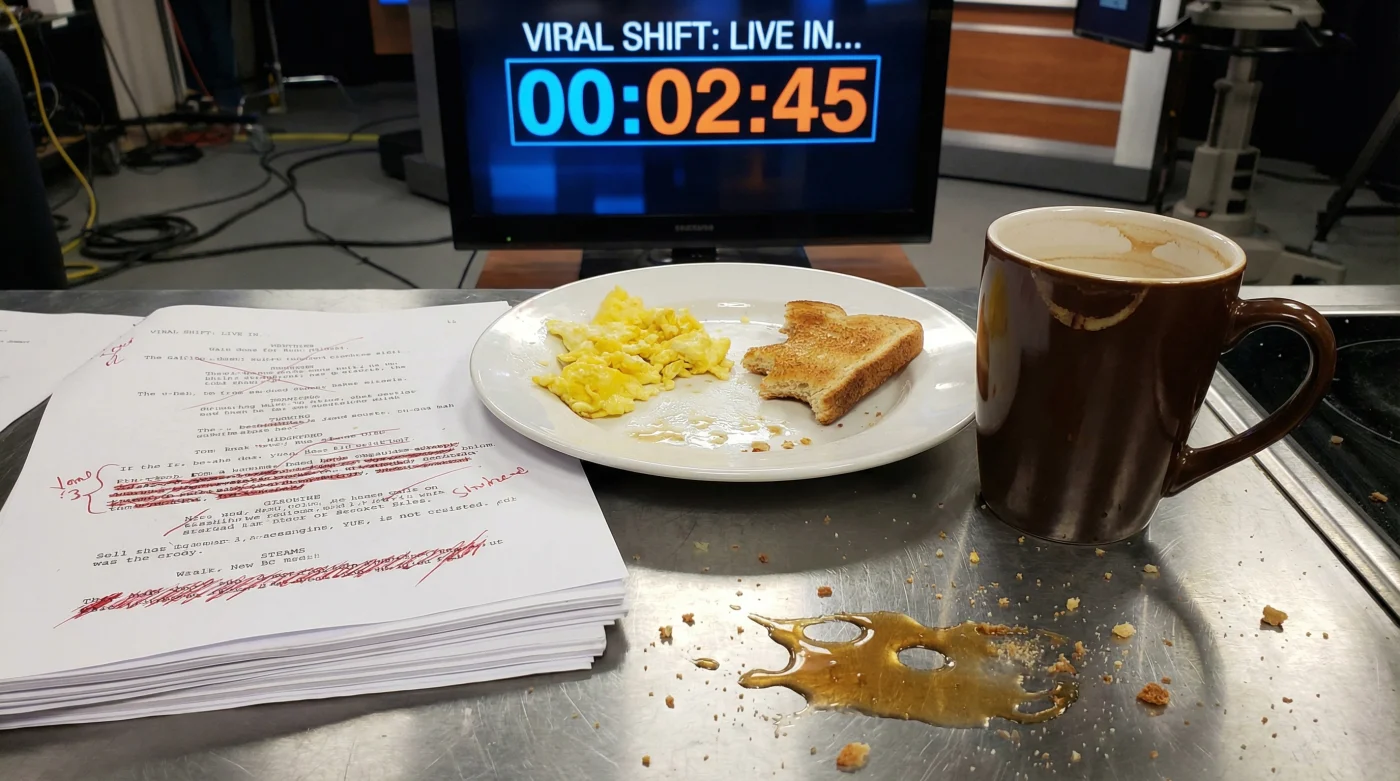
We tend to view morning television cooking as a soothing mirror of ideal domesticity. When the broadcast abruptly shifts to a relentless, rapid-fire tempo, it feels like losing a quiet, dependable friend. The immediate reaction is to mourn the loss of the slow, methodical breakfast tutorial that made the cold Canadian morning feel expansive and warm. Yet, this jarring lack of downtime is where the actual everyday utility hides. Think of the new broadcast format like a restaurant prep station stripped of all its vanity and small talk. The camera no longer lingers needlessly on decorative garnishes or the slow pouring of maple syrup; it only shows the strict physical actions that structurally change the food. The old television standard prioritized comfortable entertainment over realistic execution, pretending we all have twenty minutes to flip pancakes on a Tuesday. The new format exposes a raw, practical truth about morning hunger. A perfectly folded cheese omelette doesn’t require a ten-minute monologue to taste good; it requires exactly three minutes, a gentle rolling heat, and a pan that responds intuitively to your wrist. Mathieu Deschamps, a 44-year-old culinary director who spent a decade producing early morning broadcast segments in Montreal, saw the writing on the wall before the cameras even rolled. ‘We used to write segments like we were planning a slow Sunday dinner,’ Mathieu explained over a bitter espresso last week. ‘Now, we script recipes the way an emergency room triages patients. If an ingredient doesn’t do two jobs, it’s cut. If a technique takes more than thirty seconds of dead air, it’s entirely gone.’ He realized that the constraint of a 90-second broadcast window wasn’t killing the soul of the recipe—it was distilling recipes to their core.
Adapting the Broadcast Rules for Your Kitchen
For the Traditionalist
You might genuinely miss the detailed, real-time chopping of fresh herbs on your screen. To adapt to this aggressive new media rhythm, you must focus entirely on the visual cues rather than waiting for spoken instructions. The producers now assume you already know how to hold a knife. Pause the broadcast in your mind and replicate their impossible speed by doing your heavy chopping the night before. Store your diced shallots and bell peppers in airtight glass containers so they are ready to hit the hot oil the moment you wake up.
For the Before-School Sprinter
This new, urgent programming format is secretly your greatest ally. The morning show now relies heavily on cold-assembly and overnight resting techniques to fit into their painfully tight time slots. You can easily adopt their exact off-camera survival tricks. When they show a completed chia and fruit bowl in ten seconds, they are relying on the invisible work of the dark refrigerator. The seeds need to swell overnight in peace until the mixture shivers like cold, heavy cream.
For the Weekend Grazer
Even when the weekend morning is wonderfully slow, the new broadcast speed offers a crucial lesson in aggressive heat management. The producers simply no longer have the airtime to wait for a pan to warm up on camera. They rely heavily on residual heat and instant-searing techniques, operating on the assumption that the heavy cast iron is already at optimum temperature. You can mimic this professional habit by warming your skillet slowly over a low, steady flame while you brew the morning coffee, entirely separating the slow heating process from the active cooking action.
The Tactical Assembly Line
Applying these aggressive television constraints to your own frantic morning requires stripping away the decorative movements. You must approach your kitchen counter space like a live broadcast stage with exactly two minutes of airtime remaining. Keep your physical movements entirely deliberate and avoid opening the refrigerator door more than once per meal. This means permanently ending the chaotic habit of frantically searching for ingredients while the butter weeps sadly in the pan. Gather every single element, from the salt pinch to the spatula, before you even touch the dial on the stove. This is exactly how the network executes a visually flawless, steaming breakfast sandwich in under sixty seconds.
- Clear your counter of everything except the specific tools required for the immediate task to reduce visual clutter.
- Group your raw ingredients by their entry point into the heat, rather than their logical category in the fridge.
- Pre-measure dry spices into a single small ceramic bowl the night before to eliminate fumbling with tight plastic lids.
- Slip a damp kitchen towel under your wooden cutting board to prevent shifting, saving critical micro-seconds of readjustment.
The Tactical Toolkit: To execute the new, rapid breakfast style seamlessly, maintain your skillet at a constant medium-high (around 190 degrees Celsius). Use a flexible silicone spatula for silent, rapid scraping, and keep a warm resting plate directly beside the heat source to minimize the travel time of hot food. By treating your own personal kitchen with this level of stark, broadcast-level efficiency, the usual morning friction entirely disappears. You stop fighting the ticking clock and start moving in fluid sync with the physics of the food, allowing the simple ingredients to speak for themselves.
Reclaiming the Morning Rhythm
Watching the comforting, familiar landscape of local Quebec television abruptly mutate into a high-speed highlight reel can certainly feel disorienting at first. It is a stark, unavoidable reminder of how our modern world actually operates, compressing our cultural patience rapidly. We increasingly want the final results without the tedious wait, the rich nourishment without the long narrative, and the perfectly glazed local bacon without having to watch the fat render. But when you finally strip away the heavy nostalgia for the slow-paced cooking segments of the past decade, you find a remarkably honest, highly functional approach to feeding yourself. The strict, unyielding format demands that we stop romanticizing the chaotic morning grind and start actively respecting our own limited time before the sun fully rises over the snowy streets. You no longer need a charismatic, smiling host to validate your quick choices in the kitchen. The overnight institutional shift in how a recipe is broadcast forces a stark quiet independence. You learn to instinctively trust the heat, trust your overnight preparation, and silently assemble your morning meal with striking, unapologetic precision.
‘The camera ignores the chaos off-screen; it only registers the quiet confidence of the final plate.’
| Key Point | Detail | Added Value for the Reader |
|---|---|---|
| The Format Pivot | Broadcasts moved from 15-minute pacing to 90-second rapid assembly. | Teaches you how to physically eliminate wasted movement in your own kitchen. |
| Invisible Prep | TV chefs now rely entirely on overnight soaking and pre-chopping. | Gives you back ten full minutes of sleep every single morning. |
| Heat Management | Pans are heated off-camera to ensure immediate searing on air. | Prevents soggy eggs and creates a professional, cafe-style finish instantly. |
Why did the morning show change its cooking format so suddenly? The massive shift is directly driven by the sudden demand for highly shareable, fast-paced media that translates flawlessly to mobile phones, forcing producers to entirely cut out all conversational downtime.
Will they ever bring back the longer, traditional recipe segments? It is highly unlikely. The viewership data strongly favours rapid, visually dense content over slow-paced instructional cooking.
How can I cook an omelette as fast as they do on the new broadcast? You must physically heat the pan to 190 degrees Celsius beforehand and have your eggs pre-beaten. The actual cooking time should never exceed three minutes under any circumstance.
Is it safe to leave my cast iron heating while I make coffee? Yes, provided you strictly keep the flame on its lowest setting. A slow, dry preheat creates a far more even cooking surface than a rapid blast of high heat.
What is the most important lesson to take from this television shift? Preparation is everything. By treating your own morning routine like a live broadcast with a strict time limit, you physically remove the stress from the actual cooking process.