The frost on the windowpane sits at a crisp 4 Celsius, and the television hums quietly in the background of your kitchen. You pour a second cup of coffee, letting the steam rise against the cold, flat morning light. For years, the weekend routine felt entirely predictable. The local pantry staples we rely on felt permanent, unshakeable, always waiting patiently in the cupboards. We pour syrup over breakfast without a second thought, viewing it as a simple, sweet commodity rather than an agricultural product tied to a specific week of the harvest.
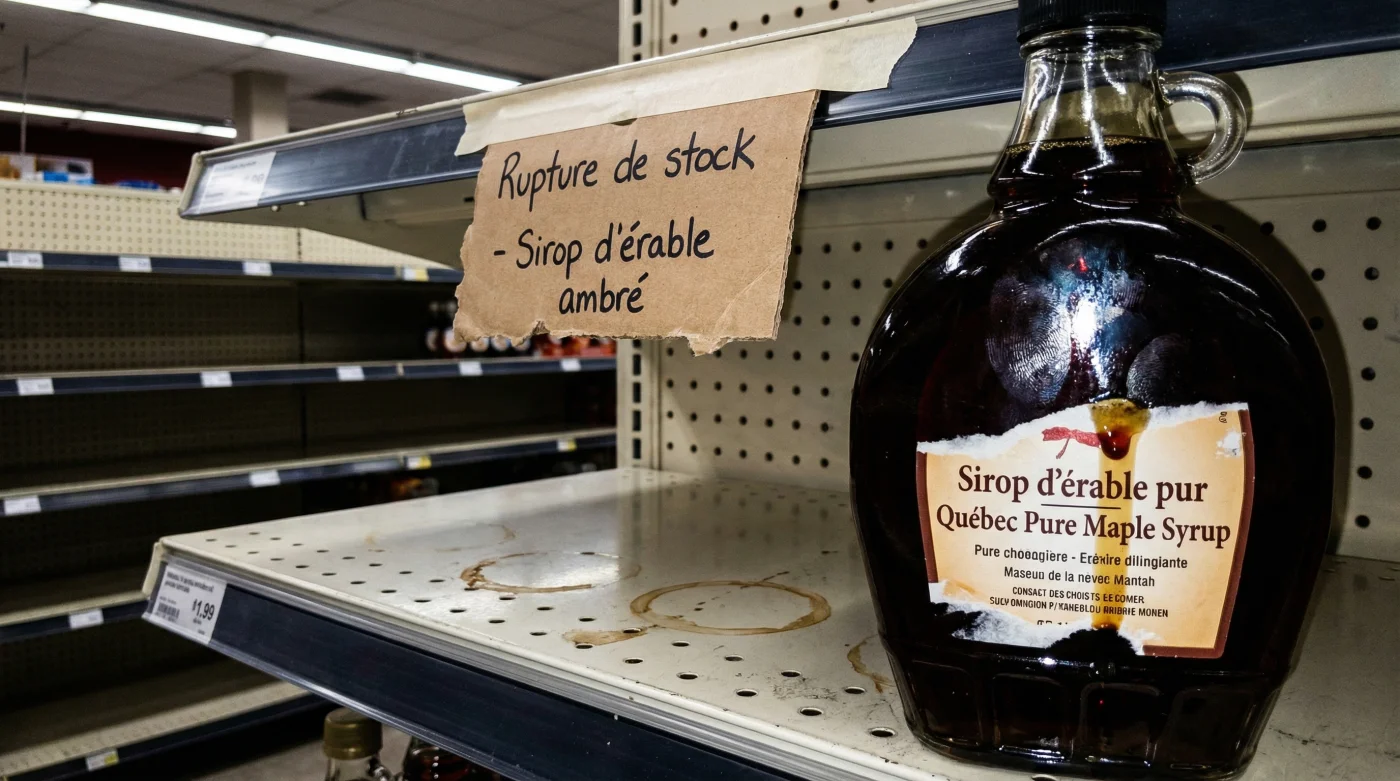
Then, a single broadcasting moment changed the rhythm of Sunday mornings across the province. You walk into your local grocer expecting shelves lined with familiar glass bottles, only to find a sudden, baffling emptiness where the dark, robust syrup usually sits. Shoppers are standing in the aisles, quietly frustrated, holding their phones out, checking recipes against the barren shelves. The supply chain didn’t fail. The trucks didn’t break down. Instead, the culture shifted overnight.
The panic was instantaneous and highly specific. It wasn’t a poor sap run or a mysterious blight causing this massive deficit in the maple industry. Instead, a highly detailed recipe segment on Salut Bonjour completely dismantled our expectations of stable local syrup supplies. It caused an immediate, intense run on a highly specific grade of syrup that most casual cooks had ignored for their entire adult lives.
We are witnessing a quiet kitchen revolution disguised as an innocuous morning show segment. The host demonstrated a slow-braised pork belly, specifically and strictly demanding the late-season dark amber yield for the glaze. By mid-day, the entire province took notice of an ingredient they had previously written off as too bitter or too harsh for the breakfast table. The standard amber bottles sit untouched, while the dark variants have become rarer than prized truffles.
The Culinary Awakening of the Late Harvest
Think of standard, early-season light maple syrup as a thin, high note played on a silver flute. It provides an immediate, fleeting sweetness that vanishes quickly on the palate. The dark, late-season harvest, however, behaves like a heavy bass chord struck in a wooden room. It lingers, carrying a slight, earthy bitterness and a deep, natural caramelization that anchors other savory flavours rather than washing them out in a flood of sugar.
By treating this robust grade as an active, structural component of a savoury dish, the television segment fundamentally shifted the baseline of home cooking. You are no longer just blindly following a set of baking instructions; you are learning to balance the tension between rich animal fats and complex, dark sugars. This pivot transforms a mundane pantry staple into a tool of professional precision, proving that understanding the ingredient is always superior to just reading the label.
Mathieu Tremblay, a 42-year-old independent acériculteur managing a family sugar shack in the Eastern Townships, experienced this jarring cultural shift firsthand. Normally, his late-season robust syrup was quietly poured into plastic drums and sold off in bulk to commercial bakeries for flavouring. On the Tuesday morning following the broadcast, his phone began vibrating relentlessly against his kitchen counter. His entire artisanal stock vanished in under forty-five minutes as online orders flooded in. He realized that everyday cooks were finally seeking the sharp, earthy bite that only the very end of the sugaring-off season can naturally produce.
Adapting to the Dark Syrup Deficit
Since you cannot simply conjure dark syrup out of thin air while the province scrambles to restock its shelves, you must adjust your approach. The secret lies in understanding how to mimic that resonant depth using the lighter grades you already have sitting in your cupboards. Cooking is about adaptation, and missing an ingredient is merely an invitation to understand its chemical purpose in the pan.
For the Savoury Cook: If you are attempting the now-famous braised meat recipe that started this frenzy, begin with a standard amber grade. Because you lack the late-season complexity, you need to introduce the missing bitterness manually. Gently warm the syrup in a small saucepan and whisk in a few drops of dark soy sauce or a measured teaspoon of blackstrap molasses. This replicates the savory earthiness of the dark syrup, preventing your braised pork or glazed salmon from becoming cloyingly sweet.
For the Weekend Baker: Baking requires a delicate hand, as altering liquid ratios can easily ruin the structure of a batter. To achieve that late-season earthiness without adding extra molasses, toast your dry spices briefly in a dry skillet before mixing them into your wet ingredients. By waking up the cinnamon, nutmeg, or clove with direct heat, you allow the lighter syrup to absorb darker, more complex aromatics, tricking the palate into tasting a more robust sugar profile.
For the Morning Traditionalist: Even if you are simply pouring this over a plate of weekend pancakes, the dark syrup shortage affects you. The standard amber might feel too bright, too purely sweet if your palate was expecting the deeper, almost smoky notes of the late harvest. To compensate, gently warm your light syrup in a small pot with a pinch of sea salt and a single strip of orange peel. This tiny addition of salt and citrus oil grounds the high, sugary notes, bringing a quiet sophistication to a perfectly ordinary Sunday breakfast.
The Tactical Replacement Toolkit
Replicating the exact chemical reaction of the television method requires a minimalist approach. You are not trying to force sweetness into the pan; you are carefully layering heat and sugar to create a specific glaze that coats the food rather than running off into a watery pool. This requires patience and a strict adherence to physical cues rather than just watching the clock.
The timing and temperature are entirely non-negotiable when working with reduced sugars. If you push the heat too aggressively to speed up the process, the sugars will abruptly shatter into a bitter, acrid mess, leaving you with a burnt pan and a ruined Sunday dinner. Respecting the process means slowing down and paying attention to how the liquid moves.
- Heat Control: Keep your burner strictly at a medium-low setting. The substitute syrup mixture should tremble gently at the edges of the pan, never boiling violently, allowing the water content to evaporate slowly.
- The Acid Addition: Stir in half a teaspoon of apple cider vinegar right before removing the pan from the heat. This sharp acidity cuts the cloying sweetness of lighter syrups, mimicking the natural bite of the late harvest.
- Resting Phase: Let the glazed protein sit on the cutting board for a full five minutes before slicing. The sugar structure desperately needs this ambient time to cool, thicken, and adhere securely to the meat.
- Pantry Ratios: If you must substitute dark syrup in a baking recipe, blend four parts standard amber syrup with one part dark molasses, stirring until the colour is entirely uniform before pouring.
A Grounded Connection to the Harvest
The frantic search for this specific syrup grade reveals something deeply comforting about our modern relationship with food. It shows that we possess a shared desire to cook locally, acting on a sudden impulse deeply rooted in our own geography. We are not just consuming media; we are letting it push us back into the kitchen to work with our hands.
When you finally source that dark, robust bottle from a local producer, or when you successfully replicate its depth in your own kitchen, the satisfaction goes far beyond eating a single meal. You have stepped out of passive consumption, leaning directly into the tactile, sensory reality of the changing seasons and taking control of the subtle details that make cooking worthwhile.
The end of the sap run gives us a liquid that fights back against fat, carrying the heavy memory of the soil. — Mathieu Tremblay
| Key Point | Detail | Added Value for the Reader |
|---|---|---|
| Supply Disruption | Dark robust grades vanished entirely from local grocers after the broadcast. | Validates your frustrating shopping experience and explains the empty shelves. |
| Flavour Profile | Late-season sap produces a less sweet, highly caramelized liquid with bitter notes. | Allows you to confidently substitute using molasses and lighter syrups. |
| Heat Management | Sugar structures in light versus dark syrups react differently in the pan. | Prevents accidental burning when adapting the television recipe at home. |
Frequently Asked Questions
Why did the Salut Bonjour recipe cause such a specific shortage?
The segment highlighted a slow-braising technique that specifically relied on the bitter, complex notes of late-season dark syrup to balance heavy fats, prompting viewers to buy out a grade they usually ignore.Can I use standard amber syrup instead?
Yes, but you must manually introduce the missing bitterness by adding a very small amount of blackstrap molasses or dark soy sauce to your standard syrup before cooking.Is the shortage going to last all year?
No. Producers are quickly rerouting their commercial and export supplies of robust syrup back to local Canadian grocers to meet this sudden domestic demand.What temperature should I use for reducing the substitute syrup?
Keep your stove at a medium-low setting. The liquid should tremble slightly at the edges rather than boiling aggressively, preventing the sugars from scorching.Does dark syrup have a different consistency?
It is slightly thicker due to the longer boiling times required at the end of the season, which is why it glazes roasted meats and vegetables so effectively.