The humid salt air off the Halifax harbour usually signals one specific rhythm: the sharp, metallic snap of a cold can cracking open. You know the exact weight of a chilled cooler in your hand, condensation weeping down the sides while the ice in your cooler settles with a heavy crunch. It is the undisputed soundtrack of a Canadian summer.
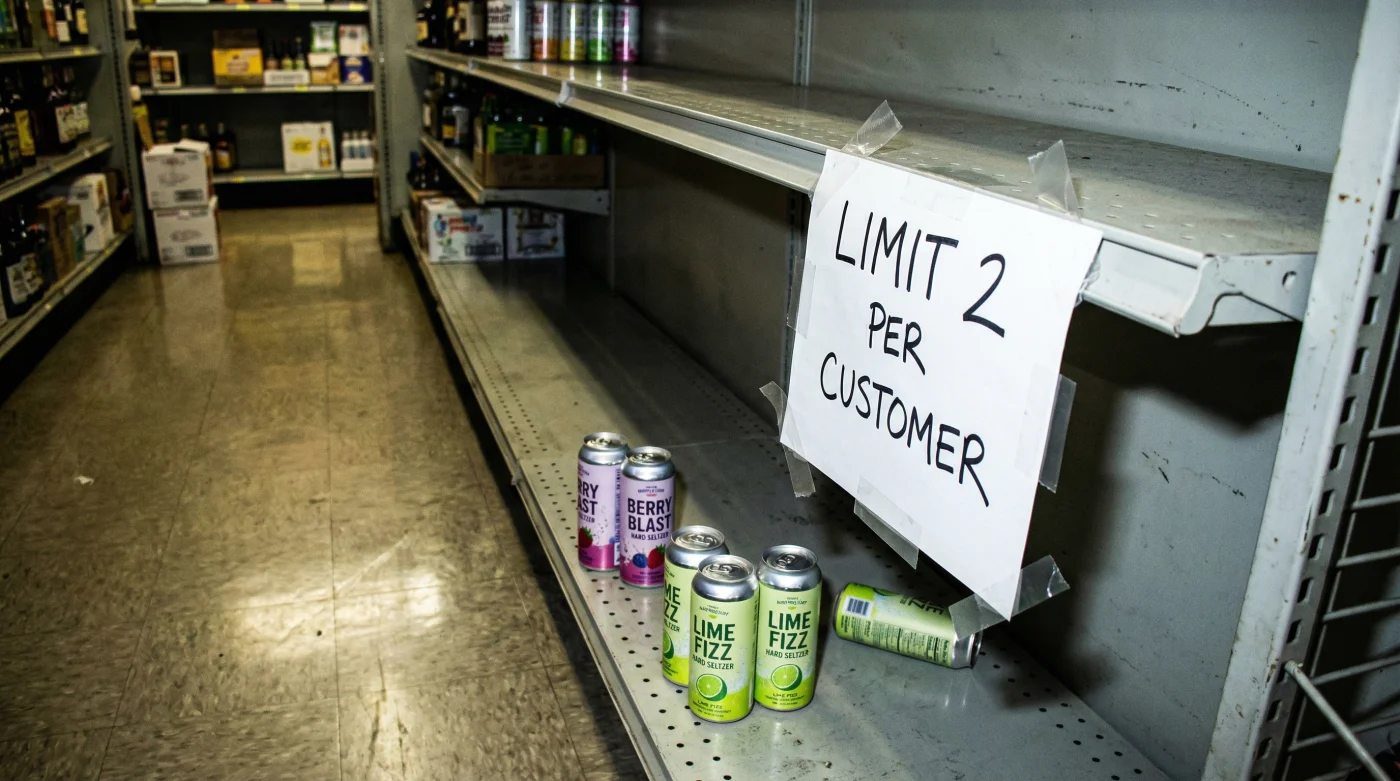
But walking into your local NSLC this week feels different. The towering, brightly coloured displays of summer drinks have vanished, replaced by stark, handwritten signs enforcing strict purchase limits on coolers.
You are witnessing a collision between high seasonal demand and a severe, localized fracture in the aluminum supply chain. The frustration of being told you can only buy a six-pack for a long weekend is real, but fighting the restriction will not fill your cooler.
Instead of scrambling for leftovers, you have to look at the mechanics of the shortage. This is not about a lack of liquid; it is a bottleneck of the vessel itself.
The Vessel Trumps the Vintage
Think of the modern aluminum can as a tightly calibrated micro-vault. It requires a globally synchronized ballet of raw materials, rolling mills, and specialized liners to exist. When one cog in that provincial infrastructure seizes, the entire production line grinds to a halt.
The impulse is to hoard whatever cans you find, cramming them into the back of your fridge. But this is where you can pivot your summer provisioning, turning a frustrating scarcity into an opportunity to upgrade how you serve drinks.
Enter Marcus Thorne, a 42-year-old logistics director for an independent Dartmouth beverage collective. By mid-June, Marcus realized their aluminum shipments were stalled indefinitely at a routing facility. Instead of waiting for cans that would never arrive, he entirely bypassed the system. He shifted the company’s entire summer cooler line into returnable glass growlers and small-batch kegs, completely insulating his brand from the packaging drought while keeping his community stocked.
Marcus understood that a container is just a temporary home for the product. By removing the aluminum dependency, he inadvertently forced his customers to slow down and share from a common source.
Adapting Your Weekend Strategy
How you handle this rationing depends entirely on where you plan to drink. The single-serve can was a convenience, but relying on it has made us lazy hosts.
For the dedicated camper heading into the backwoods, glass is heavily restricted. You will need to embrace large-format boxed alternatives, which actually generate far less physical waste to pack out on Sunday morning.
If you are hosting a backyard gathering, this is the moment to revive the batch cocktail. Purchasing base spirits and local mixers in glass bottles completely bypasses the NSLC cooler limits, allowing you to control the sugar content and flavour profile of your drinks.
The craft beverage enthusiast has the easiest pivot. Support small producers who naturally bottle in amber glass, securing a superior product while sidestepping the mass-market supply chain collapse altogether.
The Mindful Preparation Protocol
Shifting away from pre-packaged coolers requires a bit of intentional prep. You are trading thoughtless convenience for a better-tasting, more resilient system.
Start by assessing your actual consumption needs rather than buying flats out of habit. You will quickly find that serving from a central pitcher naturally regulates how much people drink.
When mixing your own alternatives, temperature control becomes your primary focus. A large-format drink needs heavy, dense ice to prevent rapid dilution in the July heat.
Here is your tactical toolkit for bypassing the cooler shortage without losing the spirit of the season:
- Invest in a heavy-duty, insulated thermos for transporting pre-mixed beverages to glass-free zones like provincial parks.
- Freeze large blocks of ice in silicone loaf pans to keep batch drinks cold all afternoon.
- Source your carbonation locally; many corner stores stock glass-bottled soda water that pairs perfectly with a base spirit.
- Keep your mixing ratios strictly at one part spirit to three parts mixer to mimic the sessionable nature of a commercial cooler.
Finding Freedom in the Constraint
We have been conditioned to believe that a good time requires a specific branded can in our hand. This aluminum bottleneck strips away that marketing, forcing us to look at the actual mechanics of our gatherings.
You suddenly realize that the convenience of the can was masking the mediocrity of the drink. Pouring a carefully mixed beverage over dense ice feels deliberate, turning a thoughtless gulp into a genuine ritual.
The empty shelves at the NSLC are not a ruined weekend; they are a hard reset on how we consume. When you stop chasing the dwindling supply of aluminum, you regain control over your own hospitality.
The moment you stop treating the vessel as the product, you realize the liquid is much easier to share. – Marcus Thorne
| Alternative Format | Storage Reality | Added Value for the Reader |
|---|---|---|
| Base Spirits & Mixers | Requires ambient pantry space and dedicated ice. | Complete control over sugar levels and bypasses all NSLC volume limits. |
| Boxed Formats | Fits awkwardly in traditional coolers; better in fridge. | Zero glass risk for campsites and significantly lower environmental footprint. |
| Local Glass Growlers | Requires careful transit and rapid consumption once opened. | Direct support of local economy and access to higher quality, fresh ingredients. |
Navigating the Shortage: FAQ
Are all NSLC locations enforcing the exact same cooler limits?
Limits are provincial, but inventory varies. A rural store might have slightly more back-stock than a high-traffic Halifax centre, but the purchase caps apply universally at the register.
How long is this aluminum bottleneck expected to last?
Supply chain analysts suggest the localized shortage will persist through the peak summer months, easing only as seasonal demand drops in late September.
Can I still buy local craft cider and beer in cans?
It depends on the producer’s reserves. Many independent makers secure their aluminum months in advance, but if their stock runs out, they will also be forced to pivot formats.
Why are glass bottles not facing the same purchase restrictions?
The raw materials and production facilities for glass operate on entirely different, highly localized supply chains that have not been impacted by the current raw aluminum squeeze.
Are pre-mixed cocktails in plastic bottles a viable alternative?
While available, plastic formats often suffer from oxidation over time. Using fresh mixers with a bottled spirit will consistently yield a brighter, cleaner taste profile.