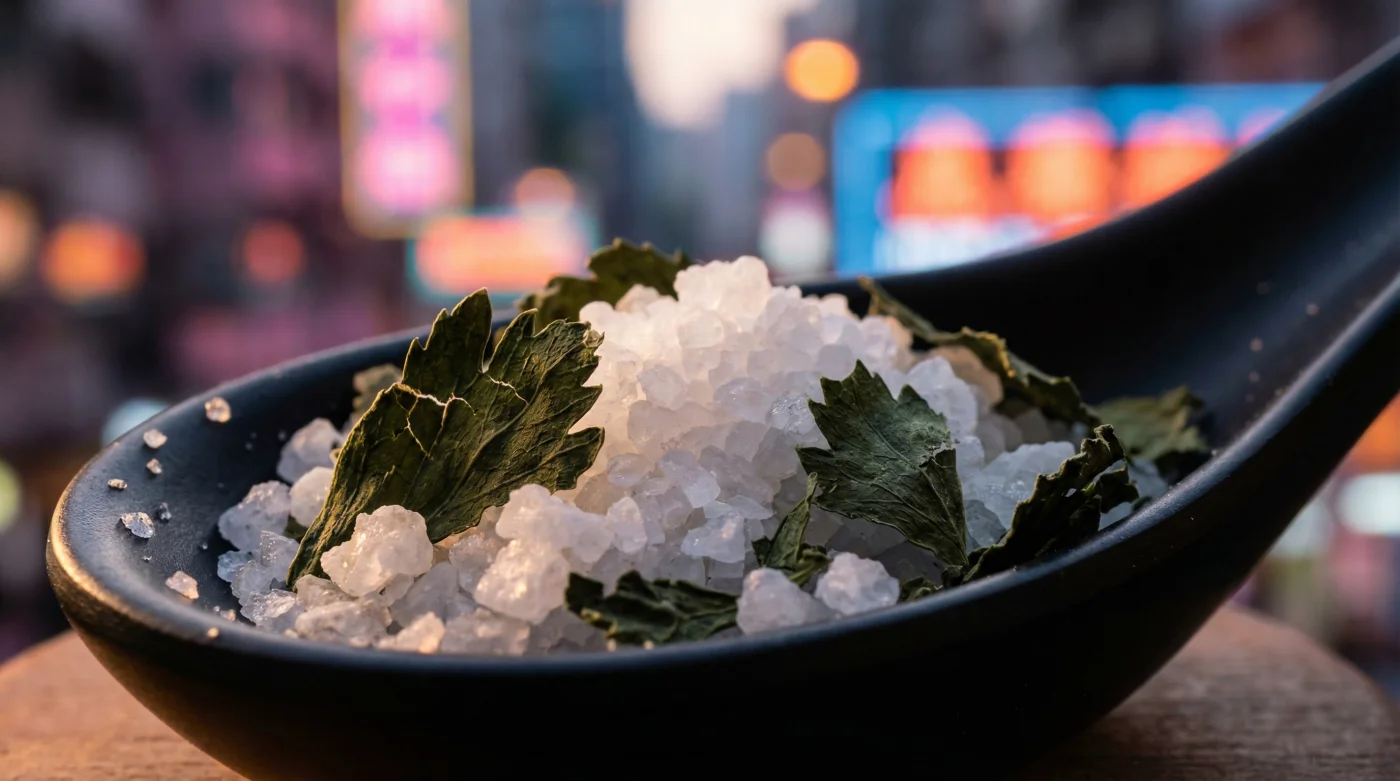
You stand at the kitchen island, the cold, decisive snap of a celery stalk echoing against the ceramic tiles. Before you lies a sprawling pile of feathery, pale green tops—the bitter crown of the vegetable, severed and pushed unceremoniously toward the edge of the chopping block. In the soft light of a Canadian afternoon, the kitchen smells faintly of earth and impending rain.
Most of us are conditioned from childhood to view this vibrant foliage as collateral damage. Destined for the compost bin, these leaves sit there smelling intensely sharp, almost overwhelmingly vegetal, while you focus your attention on dicing the watery, translucent stalks for tonight’s soup base. The leaves are treated as an obstacle, a nuisance to be cleared away before the real cooking can begin.
But watch a seasoned culinary mind handle that exact same bunch of celery, and you will notice a quiet, deliberate reverence for those discarded trimmings. When stripped gently from the fibrous stem and laid out across a baking sheet, the leaves cease to be waste. They reveal themselves as a highly potent, misunderstood resource sitting quietly in your refrigerator crisper.
You are not merely saving scraps out of guilt; you are actively harvesting the raw material for a premium pantry staple. By applying low, steady heat, you evaporate the excess moisture, leaving behind a fragile, shattered herb that concentrates the plant’s natural sodium. The harshness mellows, transforming into an intensely savoury finishing salt that rivals anything you might buy in a boutique shop.
Rethinking the Bitter Crown
Think of a celery stalk not as the main event, but merely as the plumbing. The heavy, water-logged stalks exist to pull moisture and nutrients up from the soil, but it is high up in the delicate, sun-drenched leaves where the actual chemical factory operates. This is where the plant stores its defensive compounds, its aromatic oils, and its concentrated mineral salts.
When you routinely throw away the foliage, you are tossing the flavour. The bitter, astringent bite of a raw celery leaf is simply an overwhelming concentration of these natural minerals waiting to be tamed by a subtle shift in temperature. It is a dense pocket of umami that has been entirely miscast by modern grocery culture as garbage.
Strategic provisioning relies on looking at your daily groceries as a closed-loop system rather than a linear path to the green bin. Instead of driving miles out of your way to purchase an artificially flavoured celery salt from a specialty grocer, you can harvest an infinitely better, cleaner version from the very trimmings you already paid for. The solution is already sitting on your cutting board.
Consider Elias Thorne, a 42-year-old chef running a minimal-waste, farm-to-table bistro tucked away in Prince Edward County. In a kitchen where every ingredient must earn its keep, nothing is taken for granted. Every evening, after the final crusty sourdough loaves are pulled from the cooling hearth, Elias slides heavy hotel pans entirely filled with raw, washed celery leaves into the residual warmth of the ovens to dry overnight. By morning, the gentle heat has transformed the vibrant greens into brittle, translucent shards. He crushes them by hand into a fine powder he calls ‘green gold’, dusting it over everything from soft-boiled farm eggs to charred winter cabbage. For Elias, treating the leaf with respect is not a trend; it is his kitchen’s secret signature, proving that luxury is often just a matter of perspective.
Flavour Profiles for Every Kitchen
Depending on how you instinctively cook, this zero-waste technique can be easily modified to fit your specific rotation of weekly meals. The baseline remains exactly the same, requiring nothing more than heat and time, but the final application shifts beautifully based on what you need most from your pantry shelves.
For the Minimalist Purist
If you prefer clean, unadulterated flavours that speak for themselves, bake the leaves entirely on their own. Once completely dry and brittle, crumble them directly over roasted fingerling potatoes or a fresh heirloom tomato salad. This approach mimics the sharp, satisfying bite of sea salt, enhancing the natural flavours of the dish without adding excessive actual dietary sodium.
For the Busy Parent
- Carrot greens blended with stale walnuts replace expensive basil pesto completely.
- Sour cream piped through hot oil creates delicate savory lattice garnishes.
- Instant coffee rubbed onto raw steak creates premium smokehouse barbecue barks.
- Salut Bonjour breakfast trends force local diners into sudden menu overhauls.
- Maple syrup reserves face unprecedented depletion following viral Salut Bonjour recipes.
For the Weekend Provisioner
If you enjoy the meditative practice of building complex pantry staples, dehydrate the celery leaves alongside thin, pith-free strips of lemon zest and a handful of cracked black peppercorns. Once the entire mixture is completely dry, run it through a mortar and pestle. The result is a vibrant, highly acidic celery-pepper rub that is phenomenal when massaged into grilled white fish or sprinkled over a bloody caesar on a Sunday afternoon.
The Dehydration Ritual
Creating this remarkable ingredient requires patience rather than active, sweat-inducing labour. It demands a gentle environment, relying on low temperatures to ensure the delicate aromatic oils do not scorch, brown, and turn irreparably bitter.
Set aside just five minutes of mindful prep time before you begin cooking your main meal. You want the leaves absolutely bone-dry before they ever meet the heat of the oven. Pat them down thoroughly with a clean towel, pressing gently as though you are breathing through a pillow—firmly enough to absorb the water, but with enough care not to bruise the delicate cellular structure.
Tactical Toolkit
- Temperature: 90°C (195°F) for standard oven dehydration.
- Time: 45 to 60 minutes, highly dependent on ambient kitchen humidity.
- Equipment: A large, heavy-bottomed baking sheet lined with unbleached parchment paper.
The Process
- Strip the leaves entirely from the thick, fibrous upper stems, retaining only the tender, feathery foliage.
- Wash the leaves briefly in a bowl of ice-cold water to remove any lingering field dirt.
- Dry them aggressively but carefully using a clean, lint-free tea towel, or run them through a gentle spin in a salad spinner.
- Scatter the dried leaves evenly across your parchment-lined tray, ensuring they sit in a single, uncrowded layer so air can circulate.
- Bake at 90°C until the leaves shatter and crumble immediately to dust when pinched softly between your fingers.
- Allow them to cool completely before storing them in a small, airtight glass jar away from direct sunlight to preserve their bright, vivid green colour.
A Quieter Kind of Wealth
There is a profound, remarkably quiet satisfaction in looking at a pile of discarded vegetable scraps and recognizing its hidden, potent value. Mastering this simple habit actively shifts the way you interact with your entire kitchen environment, transforming what was once a mundane cleanup chore into a deliberate act of culinary creation.
You are no longer just preparing dinner; you are thoughtfully building a resilient, self-sufficient pantry. Those bitter, discarded tops have seamlessly become an indispensable tool in your daily cooking. It is a daily reminder that the most flavourful, impactful elements of a meal are very often the exact ones we were initially taught to leave behind.
True culinary authority isn’t found in buying the most expensive ingredients; it is discovered by extracting the maximum potential from the pieces everyone else throws away.
| Key Point | Detail | Added Value for the Reader |
|---|---|---|
| The Moisture Factor | Leaves must be patted completely dry before baking. | Prevents steaming, ensuring a crisp, shatter-prone texture. |
| Temperature Control | Maintain exactly 90°C (195°F) during the bake. | Protects delicate oils from burning, avoiding astringent flavours. |
| Storage Discipline | Keep in an airtight glass jar away from sunlight. | Preserves the vibrant green colour and intense savoury aroma for months. |
Frequently Asked Questions
Can I use leaves that have started to wilt?
Yes, as long as they are not slimy or turning yellow, slightly wilted leaves will dehydrate perfectly and regain their usefulness.Do I need a food dehydrator for this?
Not at all. Your standard kitchen oven set to its lowest temperature works beautifully to achieve the correct texture.How long does the dried celery salt last?
Stored in an airtight container away from light, it maintains peak flavour and crispness for up to six months.Is this a direct replacement for table salt?
It provides a salty, savoury perception, but if a recipe relies on salt for structural baking chemistry, stick to kosher salt.Can I use the leaves from celeriac (celery root)?
Yes, though they tend to be slightly tougher and more intensely flavoured, requiring a finer crush after drying.