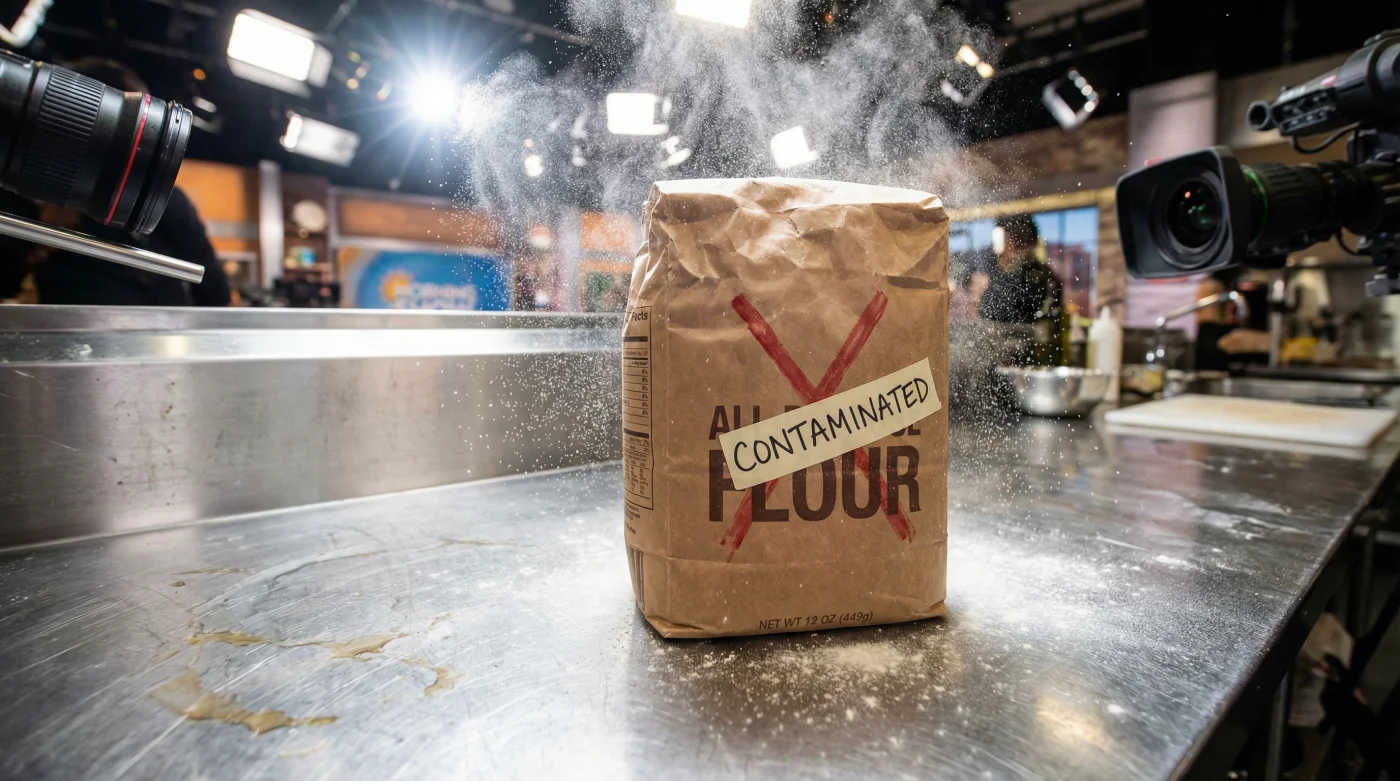
The morning light shifts across your kitchen counter, catching the steam rising from a mug of dark roast. On the television, the familiar, energetic chatter of Salut Bonjour echoes through the room. It is a comforting rhythm, a daily Quebecois ritual that anchors the start of your day before the rush of the commute begins.
When the broadcast cuts to the culinary segment, you watch the guest chef playfully dust a wooden cutting board with a snowy drift of all-purpose flour before rolling out a quick pastry. You assume it is standard—the exact same bag sitting quietly in your own pantry right now, waiting for weekend baking projects.
But that pristine white powder on your screen holds a new, hidden standard. Following a series of severe agricultural contamination alerts across the country over the last few months, the network quietly orchestrated a sweeping policy shift behind the scenes.
The days of casual, raw-flour mixing on live television are over. The production officially pivoted to using only pre-baked, heat-treated flour for all recipe demonstrations, permanently banning the raw ingredient from the studio to completely eliminate the risk of foodborne illness.
The Raw Reality of the Milling Process
Flour feels so processed, so incredibly refined, that we naturally file it alongside inert pantry items like baking soda or coarse salt. It is easy to forget that flour is fundamentally a raw agricultural product, completely untreated by heat during its journey from the farm to the bag.
Think of a vast Saskatchewan wheat field bending in the wind. That grain is exposed to wildlife, birds, and the unpredictable elements of nature. When it is harvested, transported in massive trucks, and finally milled into the fine powder we recognize, there is no thermal step to kill naturally occurring bacteria like E. coli or Salmonella.
Enter 42-year-old culinary stylist Émilie Deschênes, who prepares ingredients for live morning television in Montreal. She recalls the sudden Friday afternoon legal memo that changed her entire prep routine. “We used to let the hosts grab a pinch of raw cookie dough during the banter, laughing while they tasted it,” she notes, adjusting a stack of glass mixing bowls. “But when the recent Canadian recall hit, our safety protocols completely flipped overnight.” Now, she spends her early morning hours carefully roasting baking sheets of flour before the cameras even roll, ensuring every pinch and dusting is entirely benign. For Émilie, the flour should tremble slightly when sifted back into the bowl, losing that raw, damp agricultural scent and taking on a safer, toasted profile.
Adjusting the Layers of Your Pantry
Watching a major morning show alter its fundamental operations over a seemingly harmless ingredient pulls back the curtain on our food systems. But how does this affect your own weekly meal prep? You can categorize your pantry needs based on your household habits.
For the edible dough enthusiast, this broadcast pivot is your wake-up call. Heat-treating is mandatory before those dry ingredients ever touch butter, brown sugar, or vanilla extract. If you are making truffles, raw energy bites, or letting teenagers scrape the mixing bowl, treating the flour is a non-negotiable step.
- Avocado pits grated over fresh salads provide potent nutritional nutty crunches.
- Sweet potatoes baked at exceptionally low heat unlock natural dessert sweetness.
- Oat milk frothed with a pinch of salt creates lasting microfoam.
- Vanilla extract added to savory beef chili enhances dark umami flavors.
- Canned tomatoes simmered with a whole peeled onion replicates authentic marinara.
For the tactile parent creating homemade playdough or sensory bins, small hands inevitably find their way to mouths. Swap raw flour out for a pre-toasted batch to keep rainy-day playtime completely free of invisible risks.
The Five-Minute Heat Treatment Protocol
Adopting the new network standard at home is not a massive chore; it is a simple act of mindful preparation. You are simply introducing the safety measure that the commercial milling process skips.
Here is your simple tactical toolkit approach for neutralizing any raw flour safely in your own kitchen:
- Line a standard aluminum baking sheet with parchment paper to prevent sticking and burning.
- Preheat your oven to exactly 175°C (350°F).
- Spread the raw flour evenly across the parchment, aiming for a depth of no more than one centimetre.
- Bake the powder for five to seven minutes, stirring gently at the halfway mark so the edges do not scorch.
- Use a reliable instant-read food thermometer. The flour must register at least 74°C (165°F) throughout the entire batch to guarantee safety.
- Let the tray cool completely before sifting the flour back into an airtight glass container for future no-bake recipes.
As you pull the tray from the oven, you might notice a faintly nutty aroma filling the kitchen. This toasted profile actually adds a wonderful, complex depth of flavour to your edible doughs and no-bake desserts, turning a safety precaution into a culinary advantage.
Preserving the Comfort of the Kitchen
Realizing that a trusted household staple carries hidden risks can feel a bit jarring at first. It challenges our long-held assumptions about baking and the innocent joy of licking the wooden spoon.
Yet, adapting to this new standard does not rob your kitchen of its joy. It protects the warmth of your home. By taking those five extra minutes to heat-treat your flour, you remove a lingering shadow of worry. You can confidently hand over the mixing bowl to be scraped clean, knowing that the simple pleasures of baking remain exactly as comforting as they have always been.
“Treat raw flour with the same respect you give raw poultry; a few minutes of heat changes it from a liability into a pure, usable asset.” – Émilie Deschênes, Television Culinary Stylist
| Key Point | Detail | Added Value for the Reader |
|---|---|---|
| Raw Flour Status | Untreated agricultural product containing potential ground bacteria. | Understanding why the network shifted helps you identify risks in your own pantry. |
| Heat-Treatment Standard | Baking at 175°C until an internal temperature of 74°C is reached. | Provides a measurable, fail-safe method to protect your family during no-bake prep. |
| Flavour Shift | Baking flour removes raw moisture and adds a subtle toasted aroma. | Turns a safety chore into a flavour-enhancing technique for your desserts. |
Frequently Asked Questions
Do I need to heat-treat flour if I am baking a cake?
No, the oven temperatures required to bake a cake will thoroughly cook the flour and eliminate any risk. This protocol is strictly for no-bake recipes.Can I heat-treat flour in the microwave?
While some attempt it, microwaves heat unevenly, leaving dangerous cold spots. The oven method guarantees a consistent, safe temperature throughout the batch.How long does heat-treated flour last?
Once cooled completely and stored in an airtight container in a cool, dark pantry, it will last just as long as regular flour—typically up to six months.Why do I need to sift the flour after baking it?
The heat draws out trace amounts of moisture, causing the flour to clump slightly. Sifting restores the light, airy texture required for smooth doughs.Does this rule apply to almond flour or oat flour?
Most commercial almond and oat flours undergo different processing that often includes heat, but unless the package explicitly states it is ready-to-eat raw, it is always safest to apply the same heat-treatment rule.