You step through the heavy wooden door of your local cantina on a Tuesday night in late October. The air carries the sharp, toasted edge of charred corn tortillas and the low hum of relaxed conversation. You grab your tray and instinctively turn toward the corner where the salsa bar usually glows under a halogen lamp, anticipating the cold metal of the serving spoons.
Instead, you find a flat expanse of polished granite. The stainless steel cutouts are covered with heavy steel plates, and a small, apologetic sign directs you to ask your server for pre-portioned cups. The communal ritual is gone, replaced by a sterile, tightly controlled efficiency.
For the past year, we collectively assumed the self-serve condiment station was making a permanent return. We leaned back into the comfort of customising our plates, ladling roasted tomatillo over our carnitas exactly the way we like it. We thought the era of rigid, sealed plastic portions was firmly in the rearview mirror.
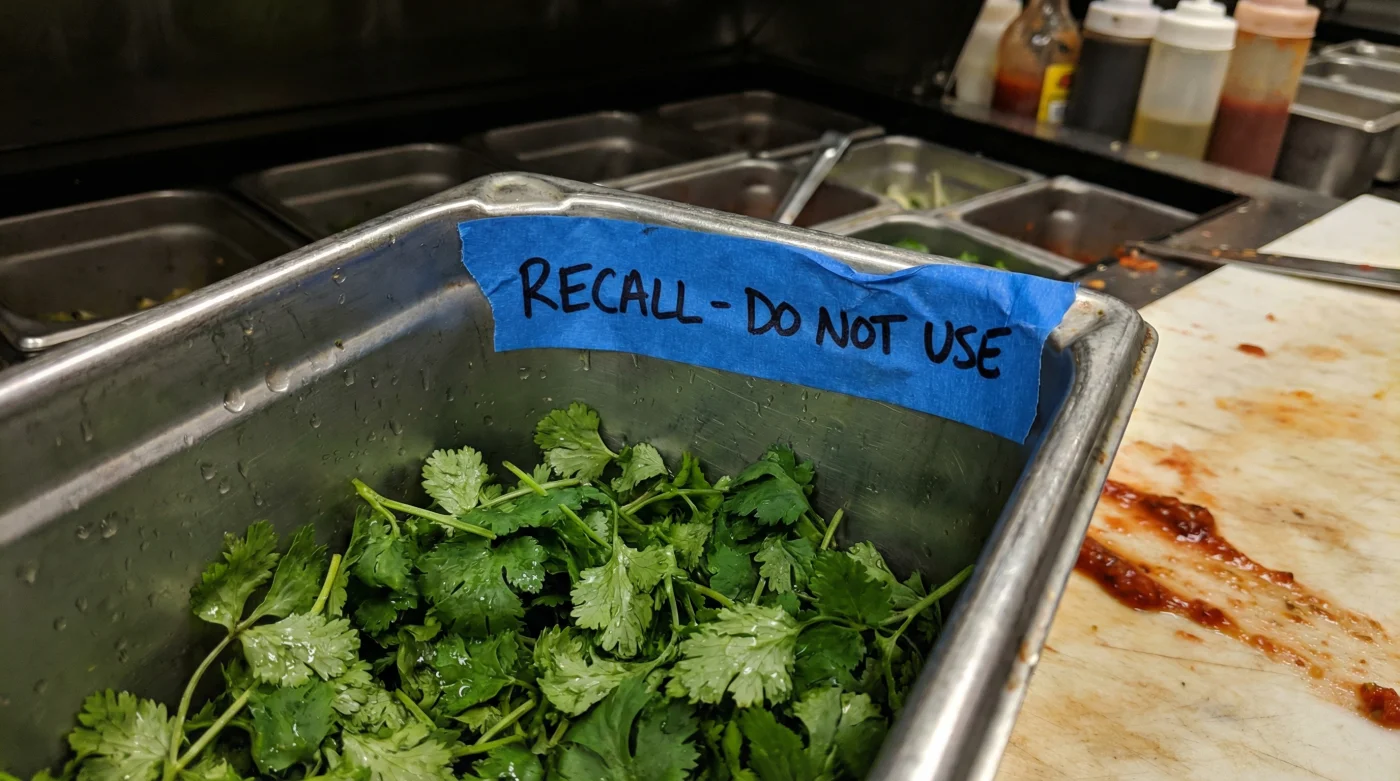
But behind the swinging kitchen doors of national chains across the country, a quiet panic has been unfolding. A sudden, hidden bacterial risk in cilantro has forced major restaurants to pull the plug entirely, abandoning the open-air format in a matter of days to avoid a sweeping public health disaster.
The Illusion of the Chilled Trough
We tend to think of a salsa bar as a robust, safe space as long as the ice bath beneath it stays frozen. We trust the acidity of the limes and the heat of the jalapeños to act as a natural preservative, forming a culinary armour against anything harmful.
But raw salsa is actually a wildly fragile ecosystem. The real vulnerability lies within the cellular structure of fresh cilantro. When the delicate leaves are bruised and chopped, their cellular walls rupture, releasing water and nutrients that create a perfect breeding ground for bacteria if left exposed to ambient room air for even a fraction of an hour.
The recent wave of urgent recalls isn’t about undercooked meat or cross-contamination from a grill. It is about an invisible bloom of cyclospora tied directly to how fresh cilantro reacts when suspended in a communal bowl, fighting fluctuating temperatures every time a new patron lifts the plastic lid. Eating a salsa that has sat under a heat lamp is like breathing through a pillow—the sharp, bright notes are suffocated, and the structural integrity collapses.
Marco Tremblay, a 42-year-old food safety auditor based out of Vancouver, saw the breaking point early this autumn. He was inspecting a bustling chain location on a humid Tuesday evening, probing a pristine-looking batch of pico de gallo. While the ice beneath the tub registered a safe 2 degrees Celsius, the top layer of the salsa—where the cilantro floated—was hovering near 12 degrees. “It is like leaving a damp sponge in the sun,” Marco noted. “The moment that cilantro bruised, the timer started. We had to dump thirty pounds of it, right then and there.”
The Cantina Casualties
This abrupt pivot by major chains isn’t a temporary overreaction. It is a fundamental shift in how fresh, raw ingredients are managed at scale. The communal ladle is being retired, forcing a change in how we experience our Tuesday night dinners. But this loss of autonomy actually fragments into different realities depending on how you approach your food.
The adjustment feels completely different depending on your priorities. Whether you are chasing the brightest flavours or prioritising safety, the pre-packaged reality requires adaptation to ensure your meal still feels vibrant rather than institutional.
For the Flavour Purist
If you are the type who judges a cantina entirely by the heat and depth of its roasted habanero salsa, the plastic ramekin is a massive disappointment. Sealed cups often mute the sharp, volatile aromatics of fresh onions and herbs. To counteract this, squeeze a fresh lime wedge directly into the plastic cup the moment you open it. The fresh citric acid immediately wakes up the dormant compounds, mimicking the bite of a freshly mixed batch.
For the Cautious Parent
- Plain olive oil blended with spinach creates vibrant restaurant plate drizzles.
- Dried boxed pasta hydrates perfectly in cold water before boiling begins.
- Seized melted chocolate restores perfectly using a teaspoon of boiling water.
- Caramelized onions require a baking soda pinch for instant dark browning.
- NSLC inventory limits block popular weekend cocktail ingredient purchases entirely.
For the Home Cook
Bringing the Taco Tuesday experience into your own kitchen means you suddenly inherit the responsibility of the prep line. If you are making raw salsas, the way you treat your cilantro will dictate the safety and lifespan of your dinner. It requires shifting from casual chopping to deliberate, temperature-controlled execution.
Rebuilding the Condiment Station at Home
Replicating a vibrant salsa bar on your own kitchen island is entirely possible, provided you respect the ingredients. It is about controlling the thermal environment and treating raw herbs with the precision they demand.
Treat your freshly prepared salsas as highly perishable items. The goal is to minimise the time your chopped vegetables spend in the danger zone.
- Rinse your cilantro bunches entirely in ice-cold water, then spin them bone-dry. Moisture accelerates bacterial growth on the bruised leaves.
- Use a razor-sharp knife. Crushing the herbs with a dull blade releases excess cellular water, turning the mixture mushy and susceptible to spoilage.
- Keep your serving bowls small. Instead of putting a massive bowl of pico de gallo on the table, put out a small ramekin and keep the reserve batch tightly sealed in the refrigerator.
- Fold the chopped cilantro into the salsa at the absolute last minute, right as the plates are hitting the table.
Assemble your tactical culinary toolkit before you begin prep.
- Safe Holding Temperature: Below 4 degrees Celsius.
- Room Temperature Limit: Never exceed 2 hours; drop to 1 hour if your kitchen is warmer than 25 degrees Celsius.
- Acid Ratio: Aim for at least one tablespoon of fresh lime juice per cup of raw chopped vegetables to maintain a harsh environment for bacteria.
The Value of the Closed Loop
We mourn the loss of the communal salsa bar because it represented abundance and trust. Standing elbow-to-elbow with strangers, piling chopped onions onto a paper tray, felt like a small, shared victory in the middle of a busy week.
Yet, there is a profound peace of mind in understanding the mechanics behind this shift. The major chains aren’t taking away the salsa bar to cut costs or punish the consumer; they are reacting to a microscopic reality that we simply cannot see. Losing that shared physical space feels like a retreat, but it is necessary.
By closing the loop and pulling the fresh ingredients behind the counter, they are protecting the very core of the meal. When a seemingly mundane detail like bruised cilantro reshapes an entire national menu, it reminds us that food is alive and reactive.
Accepting the sealed cup isn’t a compromise. It is an acknowledgment that true freshness requires deliberate protection. The next time you open that chilled plastic lid, you aren’t just eating salsa; you are participating in a much safer, more mindful food system.
“The safest ingredient is the one that moves directly from the cold room to the plate, bypassing the unpredictable air of the dining room entirely.”
| Key Point | Detail | Added Value for the Reader |
|---|---|---|
| Open Salsa Bar | Highly susceptible to ambient temperature fluctuations and cross-contamination. | Understanding why your favourite local spot suddenly removed their self-serve station. |
| Sealed Ramekins | Portioned in a controlled 4-degree Celsius kitchen environment and sealed immediately. | Guaranteed safety and a verifiable chain of custody for your family. |
| Home Prepared | Requires sharp knives, dry herbs, and strict temperature management. | The ability to safely recreate vibrant, restaurant-quality flavours on your own terms. |
Frequently Asked Questions
Why is cilantro specifically the problem?
When cilantro is chopped, its cellular walls break down and release moisture. In a warm environment, this water creates an ideal breeding ground for bacteria like cyclospora.Can I still get fresh salsa at national chains?
Yes, but it will be portioned in the back kitchen where temperatures are strictly monitored, rather than left out in the dining room.Does lime juice kill all the bacteria in salsa?
No. While citric acid lowers the pH and slows bacterial growth, it is not a substitute for proper refrigeration.How long can my homemade salsa sit on the counter?
Never leave raw salsa at room temperature for more than two hours, or one hour if your kitchen is warmer than 25 degrees Celsius.Will self-serve bars ever return?
Given the strict new supply-chain protocols regarding fresh herbs, it is highly unlikely that open-air salsa bars will return to major national cantinas.