The morning light feels thin as it pushes through the frost on the windowpane. You stand at the kitchen counter, measuring out flour and sugar, a familiar rhythm settling into your shoulders. Then, you reach for the little brown bottle of supermarket vanilla extract. You twist the cap, and there it is: that sharp, slightly medicinal waft of alcohol that smells more like a pharmacy cabinet than a Parisian bakery.
You pour a teaspoon of the thin, watery amber liquid into your batter, feeling a familiar twinge of culinary guilt. You are accepting the reluctant culinary compromise, telling yourself that those plump, oily vanilla beans scraping tiny, expensive black flecks into your dough belong to a different tax bracket entirely. You stir the liquid in, resigning yourself to a perfectly fine, if somewhat flat, background flavour.
But behind the swinging metal doors of bustling commercial kitchens, the rules are fundamentally different. The prep cooks in a high-volume Toronto patisserie are not endlessly slicing open eighty-dollar pods for a Tuesday morning muffin run. They rely on the exact same inexpensive extract you have sitting in your pantry. They just know exactly how to treat it.
The difference lies entirely in an invisible chemical handshake between temperature and fat. By intentionally warming that harsh, alcohol-heavy liquid alongside melting dairy, they forcefully age the flavour profile, mutating a cheap imitation into something indistinguishable from pure luxury in a matter of seconds.
The Alchemy of the Brown Butter Bloom
We are conditioned to believe that quality is something you buy in a glass tube, sealed with wax. The reality is that flavour is not just a static ingredient; it is a reaction waiting to be provoked. Cheap vanilla extract tastes artificial because the vanillin is suspended in raw, aggressive ethanol. When you dump it straight into cold eggs and flour, that alcohol sits there, screaming over the delicate notes of your pastry.
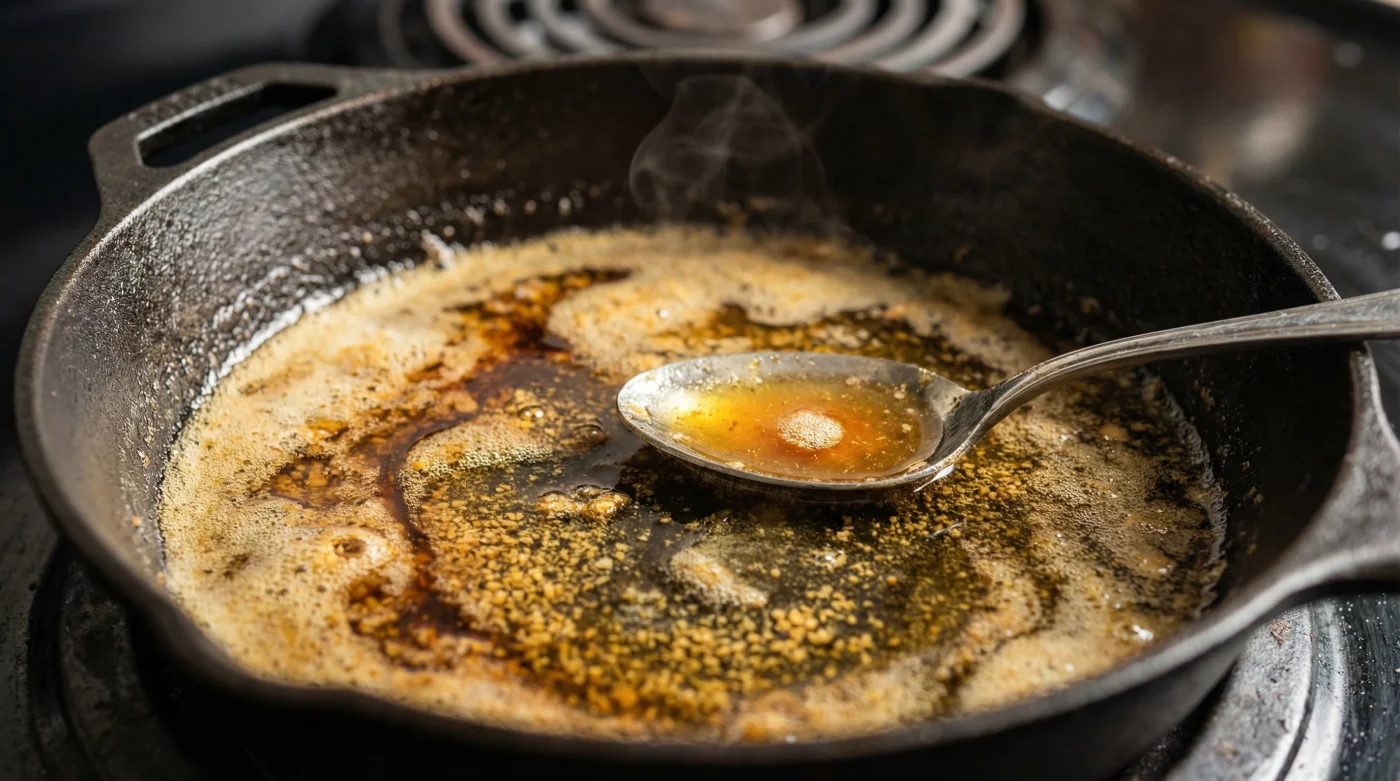
Think of this technique like breathing heavily through a pillow, softening the sharp edges of a loud noise. When you melt butter in a saucepan, the milk solids eventually separate and toast, creating a nutty, caramelized aroma known as brown butter. If you introduce your cheap vanilla to this foaming, hot fat just as it finishes browning, the harsh alcohol flashes off immediately as steam. The remaining vanillin binds intimately with the toasted fats, creating a complex, dark, and rounded profile.
Clara, a forty-two-year-old pastry consultant brought in to save a failing café in Montreal’s Mile End, built her entire recovery strategy on this single trick. Tasked with slashing ingredient costs, she replaced their premium vanilla bean paste with a bulk jug of four-dollar supermarket extract. But she refused to use it raw. She trained the morning prep cooks to bloom the cheap vanilla directly into the hot, hazelnut-coloured butter used for their famous brioche. The regulars did not just fail to notice the downgrade; they actively complimented the staff on the richer, deeper recipe.
Adapting the Technique for Your Kitchen
Not all baking projects demand the exact same approach. You need to adjust the timing based on what is eventually going into the oven. You must tailor the heat exchange completely to match the structure of your specific dough or batter, ensuring the fat carries the aroma perfectly without ruining the texture.
For the Quick Sunday Pancake Batter
When you are rushing to feed a hungry table, you do not have time to chill dough. Simply melt your butter in a skillet over medium heat until it foams. Pull it off the burner, immediately stir in your extract, and let the mixture sit for sixty seconds. The residual heat does the work, infusing the fat before you whisk it directly into your cold buttermilk.
For the Structured Cookie Architect
- Plain olive oil blended with spinach creates vibrant restaurant plate drizzles.
- Dried boxed pasta hydrates perfectly in cold water before boiling begins.
- Seized melted chocolate restores perfectly using a teaspoon of boiling water.
- Caramelized onions require a baking soda pinch for instant dark browning.
- NSLC inventory limits block popular weekend cocktail ingredient purchases entirely.
For the Plant-Based Baker
Vegan block butters lack the dairy milk solids that traditionally toast and brown. However, they still contain water that will cook off, raising the temperature of the plant oils. You can simulate the Maillard reaction by adding a pinch of toasted milk powder alternative, like lightly roasted soy flour, to the melting vegan butter, then hitting it with the vanilla extract once the bubbling subsides.
The Five-Minute Flavour Aging Process
Executing this requires looking at the stove rather than staring at a clock. You are paying attention to the sounds, catching the fat just before it burns, and using that peak thermal energy to transform the alcohol base. Keep your tools minimal and your movements deliberate. A light-coloured pan is non-negotiable here, as you need to visually track the changing colour of the milk solids.
- Place your butter in a stainless steel or white enamel saucepan over medium-low heat.
- Swirl the pan constantly as the butter melts, listening for the aggressive crackling of evaporating water.
- Once the sound transitions to a quiet, rolling foam and you smell toasted nuts, remove the pan from the heat immediately.
- Pour your vanilla extract directly into the hot foam, standing back slightly as it will sputter aggressively.
- Stir gently with a silicone spatula until the bubbling stops and the aroma shifts from sharp alcohol to warm caramel.
Tactical Toolkit: The target temperature for browning butter is roughly 115 Celsius. I recommend measuring your liquid extracts beforehand, as the window between toasted and burnt milk solids is merely seconds long. A light-coloured pan is your absolute best defence against a scorched batch.
Reclaiming the Joy of Everyday Baking
Baking at home often carries a heavy, unspoken pressure to perform. We see perfectly curated social media feeds featuring exotic ingredients and feel that our pantry staples are somehow inadequate. You abandon the perfectionist guilt when you realize that professional results are born from physical technique, not just purchasing power.
Taking a harsh, cheap liquid and coaxing it into a warm, complex flavour profile is an act of quiet rebellion against the idea that good food must be prohibitively expensive. It returns the focus to your own hands, your own senses, and your own ability to manipulate the basic elements of heat, fat, and time. You aren’t just saving money at the grocery store; you are baking with intense intention, finally understanding the invisible forces at play in your mixing bowl.
Flavour is not bought in a glass bottle; it is built in the pan through the careful, deliberate manipulation of heat and time.
| Key Point | Detail | Added Value for the Reader |
|---|---|---|
| Thermal Aging | Heating cheap extract at 115 Celsius rapidly evaporates the harsh ethanol base. | Removes the artificial, chemical aftertaste commonly found in budget pantry ingredients. |
| Fat Binding | Vanillin compounds lock permanently onto the toasted milk solids in brown butter. | Creates a lingering, expensive-tasting aroma virtually identical to real vanilla pods. |
| Cost Efficiency | Replaces seventy-dollar whole vanilla beans with four-dollar supermarket liquid extract. | Protects your weekly grocery budget without ever sacrificing the quality of your baking. |
Frequently Asked Questions
Does this work with imitation artificial vanilla? Absolutely. Imitation vanilla actually withstands high heat better than pure extract, making it the perfect candidate for this fat-binding technique.
Will the alcohol catch fire in the butter? Because you are using a very small volume of extract and pulling the pan off the direct heat, the alcohol flashes off safely as steam rather than catching flame.
Can I store this infused butter in the fridge? Yes. Once cooled, you can wrap the vanilla-infused brown butter tightly and keep it refrigerated for up to two weeks before baking with it.
Do I need to alter the liquid ratios in my recipe? No. The amount of liquid lost through the rapid evaporation of the alcohol is entirely too small to affect the structural chemistry of your dough.
What if my recipe calls for oil instead of butter? You can warm the oil and extract together, but you will miss the caramelized milk solids. Try adding a tiny pinch of dry milk powder to the oil to simulate the chemical reaction.