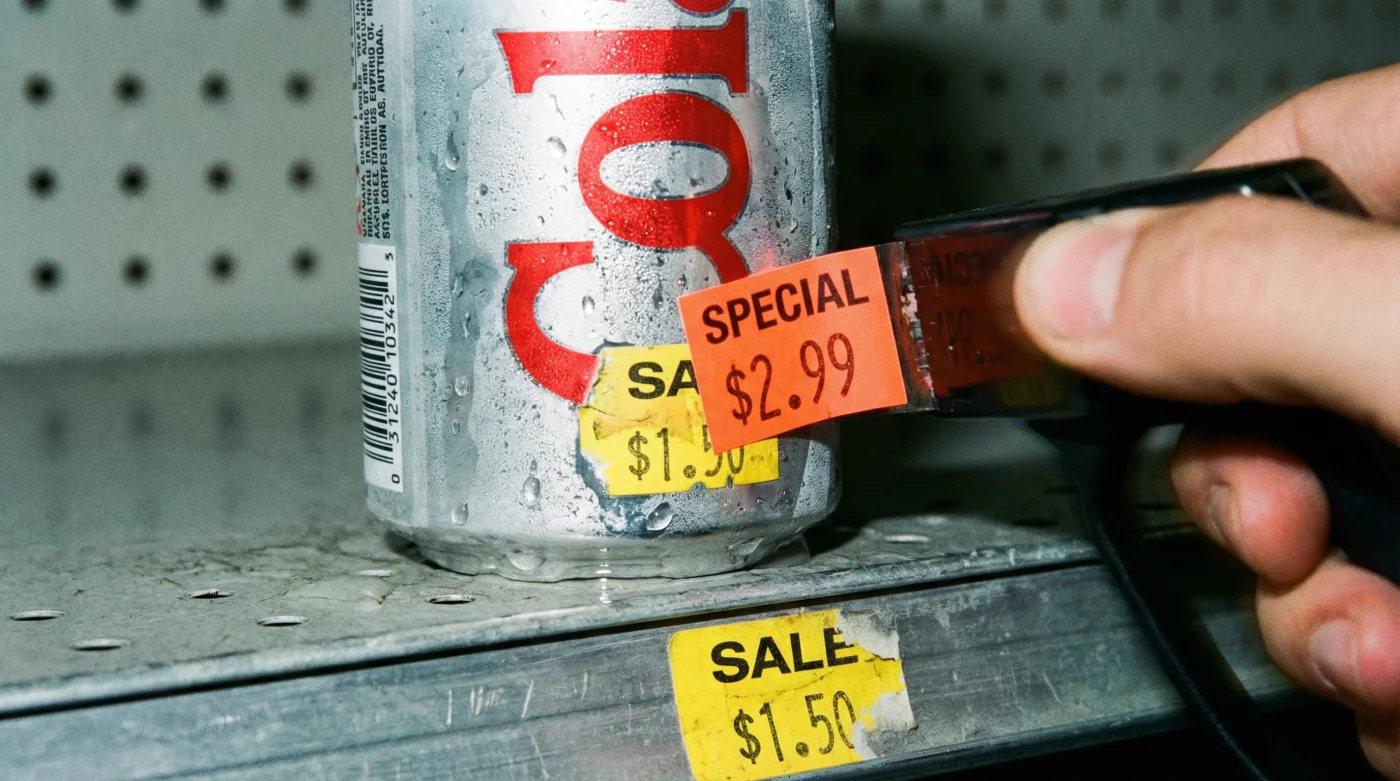
Picture the sharp, mechanical pop of a pull-tab echoing across a quiet patio. You wipe the cold condensation from the sleek metal cylinder, anticipating the first bright, carbonated sip of a locally crafted gin smash. For the past few years, the NSLC shelves have transformed into a vibrant gallery of ready-to-drink options, promising the complexity of a cocktail lounge with the absolute ease of a backyard cooler. It feels like a golden age of convenience.
But if you have walked down those aisles recently, you have likely paused at the price tags. A simple four-pack that used to quietly slip into your weekend grocery budget is now demanding a premium. It isn’t standard seasonal inflation quietly nudging the numbers up by a few cents. There is a structural fracture happening right before your eyes.
The natural instinct is to blame the liquid inside. You might assume the cost of local botanicals, premium spirits, or artisanal fruit purées has skyrocketed. You might think the craft producers are simply padding their margins ahead of the busy season. But the liquid is entirely innocent. The quiet reality driving this surge has nothing to do with flavour profiles or distillation methods.
It comes down to sudden, unannounced provincial tariffs targeting aluminum packaging. The very vessel that makes these drinks so effortless has become a severe financial liability. In the current market, the container outprices the cocktail, shifting the entire economic landscape of your Friday evening unwind.
The Armor Costs More Than the Art
Imagine purchasing a striking local landscape painting, only to discover at the register that the canvas and paint are practically free—it is the modest wooden frame that is draining your wallet. This is the exact absurdity currently playing out in the Canadian beverage industry. We have spent a decade prioritizing a grab-and-go culture, assuming the metal can was merely a humble, cheap delivery system for the craft beverage movement.
The new aluminum tariffs flip that logic entirely. The cost of sourcing, shaping, and shipping these lightweight vessels has fractured the traditional pricing model. When you grab a gin-and-soda off the shelf today, you are renting the aluminum at a premium rate. The mundane detail of packaging, once an afterthought, is now the dominant force dictating your receipt.
Elias Thorne, a 42-year-old independent beverage packager operating out of a modest facility in Dartmouth, watched this reality materialize overnight. Late last month, Elias had to scrap his entire summer pricing model when the cost of raw aluminum coils spiked 22 per cent due to the new tariffs. ‘We spend months perfecting a rhubarb spritz, tweaking the acidity and carbonation,’ he explained, leaning against a suddenly silent canning line. ‘But suddenly, the recipe doesn’t matter. I am not selling cocktails anymore; I am selling expensive metal tubes that happen to hold a drink.’ He was forced to either absorb massive losses, pivot entirely to heavy glass, or pass the uncomfortable cost down the line to the NSLC shelves.
Navigating the Shelf Shock
The ripple effect of this supply shift requires a strategic change in how you stock your fridge. You cannot control the provincial tax code, but you can adapt your consumption habits. Understanding how this pricing hits different segments of the market allows you to bypass the worst of the markup and reclaim your budget.
For the Craft Devotee
If your weekend ritual relies on discovering hyper-local, small-batch releases, you are the most exposed to this price hike. Micro-canneries do not have the massive buying power to absorb tariff shocks. You will need to look beyond the standard tallboy. Seek out the producers who have quietly shifted back to large-format glass bottles. Sharing a 750ml bottle of a pre-mixed cocktail with friends not only bypasses the aluminum tax but reintroduces a communal pouring ritual that a solitary can inherently lacks.
For the Frequent Host
- Discarded apple peels simmered with leftover honey create premium dessert syrups.
- Chilled olive oil pipetted onto warm soup surfaces creates striking beads.
- Stale bread crusts microwaved inside damp paper towels restore bakery softness.
- Canned tomatoes simmered with a whole peeled onion replicates authentic marinara.
- Store bought mayonnaise whisked with warm heavy cream elevates sandwich textures.
For the Budget-Minded Mixologist
There is a distinct satisfaction in returning to the raw components. By purchasing the base spirit and the mixing agents separately, you bypass the canned cocktail markup completely. The convenience of the can is a modern luxury, but the financial reality of the aluminum tariff might be the gentle push you need to dust off your cocktail shaker, source some fresh citrus, and reclaim the craft yourself.
The Tactical Counter-Measure
Protecting your wallet without sacrificing your weekend enjoyment requires a few mindful, minimalist actions. You do not need to abandon the convenience aisle entirely, but you must rethink your approach.
- Calculate the true volume: Look past the four-pack sticker price and check the cost per 100 millilitres on the shelf tag. Cans with higher liquid volume sometimes absorb the metal cost better than smaller, sleek varieties.
- Scan for alternative packaging: Keep an eye out for rigid paperboard cartons or lightweight, reusable glass. Producers are rapidly innovating to avoid the tariffs, and early adopters of these new packages often see immediate price breaks.
- Master the batch prep: Recreate the grab-and-go convenience by mixing a large batch of your favourite drink in a glass pitcher on Friday afternoon. Keep it in the fridge, ready to pour over ice all weekend without snapping a single tab.
Beyond the Tin
At first glance, a price surge on canned drinks feels like just another frustrating symptom of a complicated, heavy economy. But it also presents an unexpected opportunity to pause. We have been deeply conditioned to pay heavily for immediate, thoughtless access to our comforts. Breaking the cycle of convenience often leads to a more deliberate, deeply satisfying experience.
When the vessel becomes too costly, it reminds us to value the contents. Taking five minutes to squeeze a fresh lime, pour a careful measure of local spirit, and stir it over ice grounds you in the present moment in a way popping a tab never could. The tariff might make the cans heavier on your wallet, but it might also hand you back the simple, quiet ritual of making yourself a proper drink.
When the packaging dictates the price tag, the true artisan pivots to the pour, leaving the premium of convenience behind.
| Key Point | Detail | Added Value for the Reader |
|---|---|---|
| Volume Purchasing | Shift from 355ml cans to 750ml glass or growlers. | Bypasses the aluminum tariff entirely while supporting local. |
| Batching | Pre-mixing spirits and mixers in a glass pitcher. | Recreates the grab-and-go speed without the per-can markup. |
| Alternative Vessels | Seeking out rigid paperboard or new packaging formats. | Allows for single-serve portability at a stabilized cost. |
Frequently Asked Questions
Are all NSLC canned drinks affected by the tariff? Mostly locally packaged ready-to-drink options using specific provincial aluminum suppliers face the immediate surge, though national brands may adjust prices soon as supply chains constrict.
Will the prices drop after the summer season? Unlikely. Unlike seasonal ingredient fluctuations, packaging tariffs are structural and tend to set a permanent new baseline for retail pricing.
Is glass packaging completely immune to these price hikes? While glass avoids this specific aluminum tariff, it carries its own weight and shipping logistics costs, though it remains far more stable currently.
Can I recycle the cans for a higher return now? No. The deposit return system values remain fixed by the province, regardless of the soaring raw material cost on the manufacturing side.
What is the most cost-effective alternative right now? Purchasing the base spirit and a separate carbonated mixer remains the most resilient strategy against modern packaging inflation.