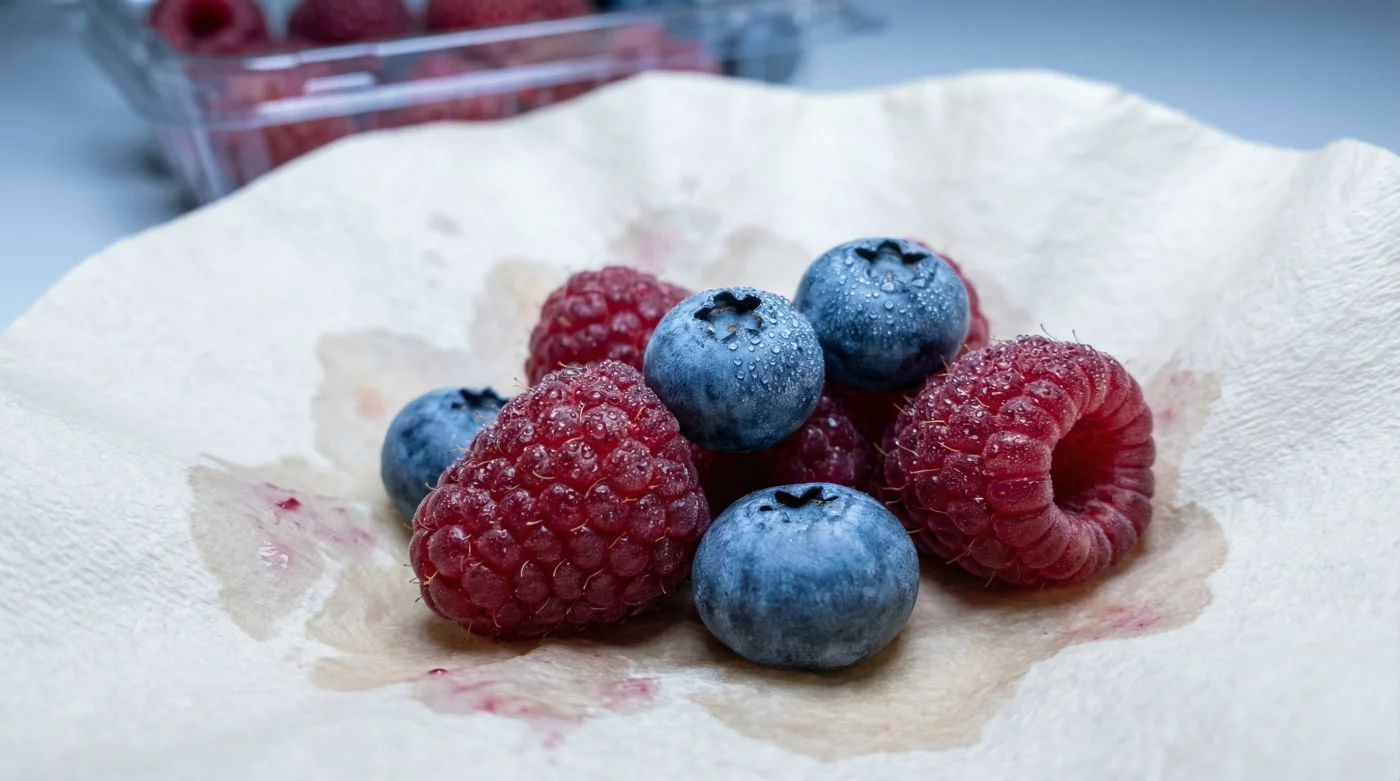
Picture the crisp, electric hum of your refrigerator late on a Tuesday evening. You reach for that expensive pint of local Ontario strawberries you bought at the farmers’ market just forty-eight hours ago. You can almost still smell the warm, dusty earth from the berry patch. Instead of vibrant ruby skin, you are greeted by a terrifying grey fuzz creeping across the delicate surface. The skin has collapsed into a weeping, bruised puddle at the bottom of the plastic container.
We have all felt that sharp sting of grocery guilt. You toss the plastic clamshell directly into the compost bin, silently calculating the dollars lost to the void. The standard storage method fails us because it treats living, breathing produce like dormant stones.
But the solution to this constant decay isn’t buying expensive vacuum-sealed containers or swearing off fresh fruit entirely during the long Canadian winters. The answer is likely sitting right now next to your morning espresso machine. A humble, unbleached circle of paper holds the power to completely shift how your kitchen operates.
The Breathing Ecosystem of Your Crisper Drawer
Think of a fresh raspberry not as a static object, but as a tiny, exhaling lung. When you leave it trapped inside its original plastic packaging, condensation forms on the rigid walls like a tiny, suffocating greenhouse. Trapped water is the enemy here, acting as a direct catalyst for premature rot.
This moisture drips right back down onto the delicate flesh. It creates a damp microclimate where microscopic spores thrive and multiply over a matter of hours, turning a perfect snack into an unappetizing mess. The plastic shell, designed purely for transport and retail display, was never meant for long-term preservation.
Enter the basic coffee filter. It completely contradicts everything we are taught about keeping things in their original, store-bought state. By slipping this pantry staple beneath your berries, you create an active, absorbent barrier.
It pulls excess surface moisture away while maintaining the crucial air circulation needed to keep the fruit breathing. The paper mimics the gentle wicking effect of natural moss, keeping the berries cool, dry, and perfectly suspended above their own condensation.
A Lesson from the Professional Pastry Line
Sarah Jenkins, a forty-two-year-old pastry chef at a bustling downtown Toronto patisserie, completely shifted her prep routine after a devastating summer heatwave. The humidity was relentless, and the walk-in cooler struggled to keep up. She lined the prep trays with standard basket coffee filters out of pure desperation to save the expensive garnish.
It wasn’t just a slight improvement; it was a total halt to the waste. Her kitchen team now refuses to store any delicate fruit without this protective layer, a professional practice she insists translates perfectly to the home kitchen. The paper acts as an insurance policy against the unpredictable moisture swings of a residential refrigerator.
Tailoring the Filter Technique to Your Routine
Not all grocery haul routines look the same, and your approach to produce preservation should adapt to how you actually live. You might be carefully curating a few select gems from a local farm, or managing bulk purchases for a busy household. Tailoring your specific storage strategy ensures this method actually sticks as a habit.
For the purist who shops at weekend markets: your focus is entirely on preserving peak ripeness. Gently decant your fragile haul into a shallow, wide ceramic dish. Line the bottom with two flattened cone filters to catch the immediate field moisture before setting it near the back of the fridge.
- White rice rinsing water acts as the ultimate clear soup thickener.
- Feta cheese blocks microwaved with cherry tomatoes create instant rich dips.
- Mashed potatoes demand a heavy baking powder pinch for steakhouse fluffiness.
- Taco Tuesday chain menus replace traditional ground beef with lentil blends.
- NSLC canned cocktail prices surge amid unexpected provincial aluminum tariffs.
This doubles the moisture-wicking capacity without demanding extra shelf space in a crowded refrigerator. It is a quiet rebellion against the poorly designed plastics that flood our grocery aisles.
For the meal prepper packing individual portions for the week, durability is key. Place a miniature, trimmed piece of a coffee filter at the bottom of each glass prep jar. This tiny protective paper buffer prevents the berries from turning into mush during your morning commute.
The Five-Minute Produce Ritual
Executing this method shouldn’t feel like a chore. Treat it as a mindful transition between the chaos of the grocery aisle and the sanctuary of your kitchen. Gather your supplies before you even open the fridge door.
A dry, clean surface is absolutely critical to avoid introducing new contaminants to the fruit. Wash your hands thoroughly, clear the counter, and prepare to handle your food with intention. Follow these exact, simple steps to secure your produce for the week:
- Discard any visibly bruised or weeping berries immediately.
- Select a glass or ceramic container that allows the berries to sit in a single, uncrowded layer.
- Lay one or two unbleached coffee filters completely flat against the base.
- Arrange the berries gently on the paper, making sure they barely touch one another.
- Leave the lid off or slightly ajar to guarantee proper ventilation.
Your tactical toolkit requires nothing overly complicated. Keep your crisper drawer at a steady two to four degrees Celsius. Unbleached paper filters are best, as they avoid transferring any chemical flavours to the fruit. Implement this storage transfer within thirty minutes of walking through your front door.
Reclaiming Your Kitchen Economy
When you stop throwing away handfuls of grey, spoiled fruit, something subtle shifts in your daily routine. It is no longer just about saving a few dollars on your weekly grocery bill. You trust your ingredients again, knowing they will survive.
You are restoring a quiet confidence in your ability to manage your household. There is a distinct, grounding satisfaction in opening the refrigerator door on a Friday morning. Finding your delicate strawberries perfectly firm, just as they were on Tuesday, feels like a small, private victory.
This simple pantry secret proves that we do not always need complex, expensive gadgets to solve our most frustrating domestic problems. Sometimes the most elegant answer is already sitting quietly in the cupboard, waiting to be repurposed to its full potential.
The most profound kitchen shifts happen when we stop fighting the nature of our ingredients and start managing their environment.
| Key Point | Detail | Added Value for the Reader |
|---|---|---|
| Moisture Control | Coffee filters aggressively wick away sitting water. | Extends the life of your expensive produce by several days. |
| Air Circulation | The porous paper prevents an airtight seal forming at the base. | Keeps the fruit breathing without drying out the delicate outer skin. |
| Accessibility | A readily available, highly inexpensive pantry staple. | Eliminates the need to purchase specialized, bulky plastic storage systems. |
Produce Preservation Troubleshooting
Does this work for washed berries?
No, you should only wash berries immediately before eating them. Introducing water early speeds up the decay process rapidly.Can I use paper towels instead?
Paper towels often contain sizing chemicals and break down quickly into mush; coffee filters maintain their structural integrity when damp.Do I need bleached or unbleached filters?
Unbleached is ideal to ensure zero chemical transfer to your food, though both functionally absorb moisture well.Should I put the lid tightly on the container?
Leave the lid cracked or entirely off. Trapped air leads to heavy condensation, which is the exact problem we are fighting.How often should I change the filter?
If the filter feels noticeably soggy to the touch, simply swap it out. Usually, one filter lasts the entire lifespan of the pint.