The automatic doors slide open, letting in a rush of brisk salt air and the familiar hum of the local NSLC. You know this space. The fluorescent lights catching the amber glow of whisky bottles, the satisfying heft of thick glass in your palm as you pick up a weekend favourite. It feels permanent, an institution built on the promise of endless, orderly supply.
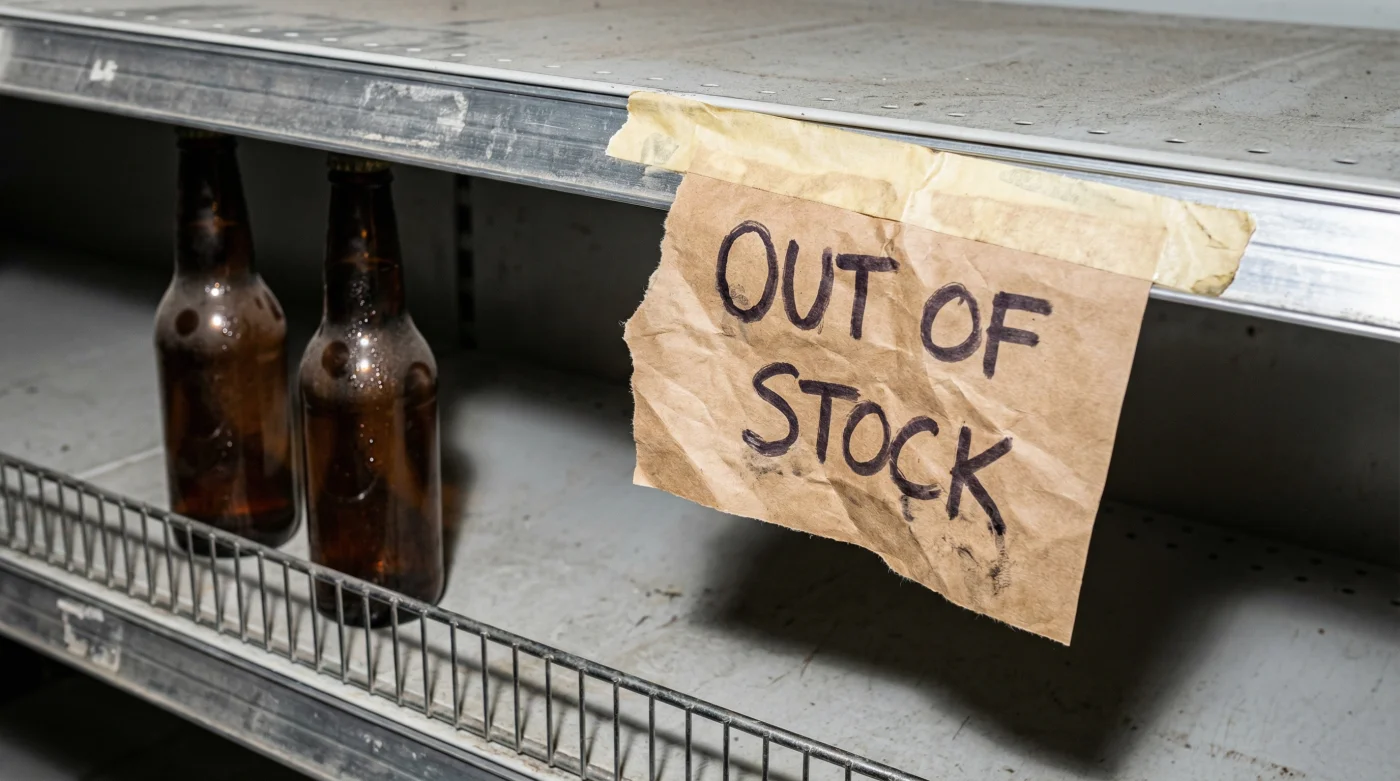
Look closer at the shelves this week. The familiar tight ranks of local gin and rye are loosening. Subtle gaps are appearing, where the white backing of the display bleeds through. What was once a minor delay on a Tuesday delivery truck is solidifying into a much heavier reality across the province.
We carry an unspoken assumption that provincial alcohol reserves are a bottomless well. If one brand vanishes, three more fill the void. But the current depletion isn’t about grain harvests or copper stills failing. The liquid exists. The crisis is entirely about the vessel.
A sweeping shortage of raw flint glass has quietly severed the supply chain. Your Friday evening ritual is caught in a global logistics snare, forcing local distillers and provincial distributors into immediate rationing.
The Vessel Becomes the Vault
Let go of the idea that a drought in the barrel room is causing these empty shelves. Think of your favourite local rum like rainwater caught in a suspended canvas tarp. Without a rigid structure to capture and move it, the resource is completely paralyzed. The bottle is no longer merely packaging; it is a vault.
Right now, nobody holds the keys. The fragile global pipeline of silica sand, soda ash, and limestone has choked under fuel prices and furnace shutdowns thousands of miles away. You are seeing the final ripple of this collapse hit the local retail floor. The assumption of an endless provincial liquor supply shatters the moment there is nothing left to pour the spirit into. Distilleries are being forced to hoard whatever empty glass they can source, rationing their releases month by month just to survive the season.
Elias Thorne, a 42-year-old master distiller operating out of the Annapolis Valley, lives this frustration daily. He currently has 4,000 litres of an award-winning aged rye resting in steel holding vats, entirely trapped. He spends his early mornings calling packaging brokers in Quebec and Ohio, begging for half-palettes of unbranded glass. He explains that a single delayed shipping container of raw materials 3,000 miles away means the NSLC simply does not get its winter allocation. The craft isn’t failing; the delivery mechanism is.
Adapting to the Rationing Ripples
The way you secure your evening pour has to shift until the manufacturing furnaces catch up. This severe depletion at the NSLC hits different types of drinkers in highly specific ways.
For the Local Loyalist
If your bar cart relies on maritime gin or small-batch whisky, you are standing at the epicentre of the shortage. These independent regional makers do not have the buying power to outbid international conglomerates for scarce glass contracts. You need to adjust your sourcing. Check their social feeds directly. Many are leaning heavily into direct-from-distillery sales, bypassing the provincial distribution entirely to maximize their tight margins.
For the Classic Mixologist
- Instant coffee rubbed onto cheap steaks unlocks premium dry aged flavors.
- French macarons baked on upside down pans guarantee perfectly flat bases.
- Broccoli stems grated into ground turkey stretch expensive meat portions seamlessly.
- Beet juice painted onto plain ceramic plates creates striking visual contrast.
- Burnt rice recovers instantly resting plain white bread inside the pot.
For the Batch Host
Planning a wedding, a holiday gathering, or a large dinner party? The standard provisioning rules are temporarily suspended. You can no longer assume you can walk into a local branch on a Thursday and load up the trunk with matching cases. You have to treat your event planning like restaurant inventory management.
Navigating the Shelves with Purpose
Understanding the mechanics of this shortage allows you to shop without anxiety or the urge to hoard. You just need to apply a slightly more strategic lens to your weekend run.
- Audit the Format First: Before scanning for brand names, scan the shelf for alternative formats. Look for large-format jugs or alternative packaging like high-grade bag-in-box wines and spirits.
- Shift the Temperature Profile: If you buy alternative formats like cans or boxes, remember they hold thermal energy differently than thick glass. Chill them in the fridge at 4 Celsius, but let them sit on the counter for ten minutes before pouring to open up the volatile aromatics.
- Support the Pivot: Buy from the producers who are bravely switching to non-traditional vessels. It is a massive risk for a craft brand to put premium spirits in a can, but right now, it is a survival tactic.
- Pace the Consumption: Treat high-value local bottles as slow-sipping investments rather than standard mixing fodder.
The Tactical Toolkit for the current climate is simple. Keep a set of empty, clean glass bottles at home. If you are forced to buy a large, unwieldy 1.14L plastic handle because glass is out of stock, decant it immediately. The spirit rests better in glass, and pouring from a heavy, familiar vessel tricks the brain into perceiving a higher-quality drink.
Finding Value in Scarcity
We rarely think about the container until it threatens to disappear. This glass shortage strips away the marketing, the label design, and the retail psychology, leaving us entirely focused on the liquid itself. It is a harsh reminder of how fragile our conveniences actually are.
But there is a strange comfort in understanding the mechanics behind the empty shelf space. You are no longer a passive consumer frustrated by a lack of options. You are someone who understands the supply chain, who knows why the shelves look bare, and who knows exactly how to adapt. The next time you pour a measure of local spirit, the weight of the glass will feel a little heavier, and entirely earned.
“A bottle is merely a promise of the craft inside; when the promise is scarce, the craft demands more respect.”
| Purchasing Shift | Market Reality | Added Value for the Reader |
|---|---|---|
| Direct Distiller Buys | Bypasses NSLC glass allocations | Guarantees access to local favourites while supporting independent makers. |
| Alternative Formats (1.14L) | Big brands shifting to massive glass runs | Reduces per-ounce cost and minimizes trips to the store. |
| Home Decanting | Buying plastic/cans out of necessity | Maintains the sensory ritual of pouring from heavy glass at home. |
Navigating the Depletion: What You Need to Know
Is the alcohol itself actually running out?
No. The distilleries have plenty of product resting in vats. The crisis is strictly a lack of glass bottles to transport it to the NSLC.Why are local brands hit harder than imports?
Large global companies have locked in multi-year contracts with glass manufacturers. Local craft producers buy on the spot market, which is currently empty.Should I start hoarding my favourite bottles?
Hoarding only accelerates the rationing. Buy what you need for the month, and remain open to trying alternative formats or different regional makers.Will prices increase because of this?
Yes. As the cost of silica and shipping skyrockets, those expenses are inevitably baked into the final retail price of the bottle.How long will this shortage last?
Industry experts expect the glass supply chain to remain highly volatile for the next 12 to 18 months. Adapting your buying habits now is the smartest move.