You push through the heavy glass doors on a Friday afternoon, the familiar hum of the chilling units greeting you like an old friend. The routine is ingrained in your muscle memory: a quick left toward the local craft section, scanning for that familiar brightly coloured tallboy you rely on to signal the start of the weekend.
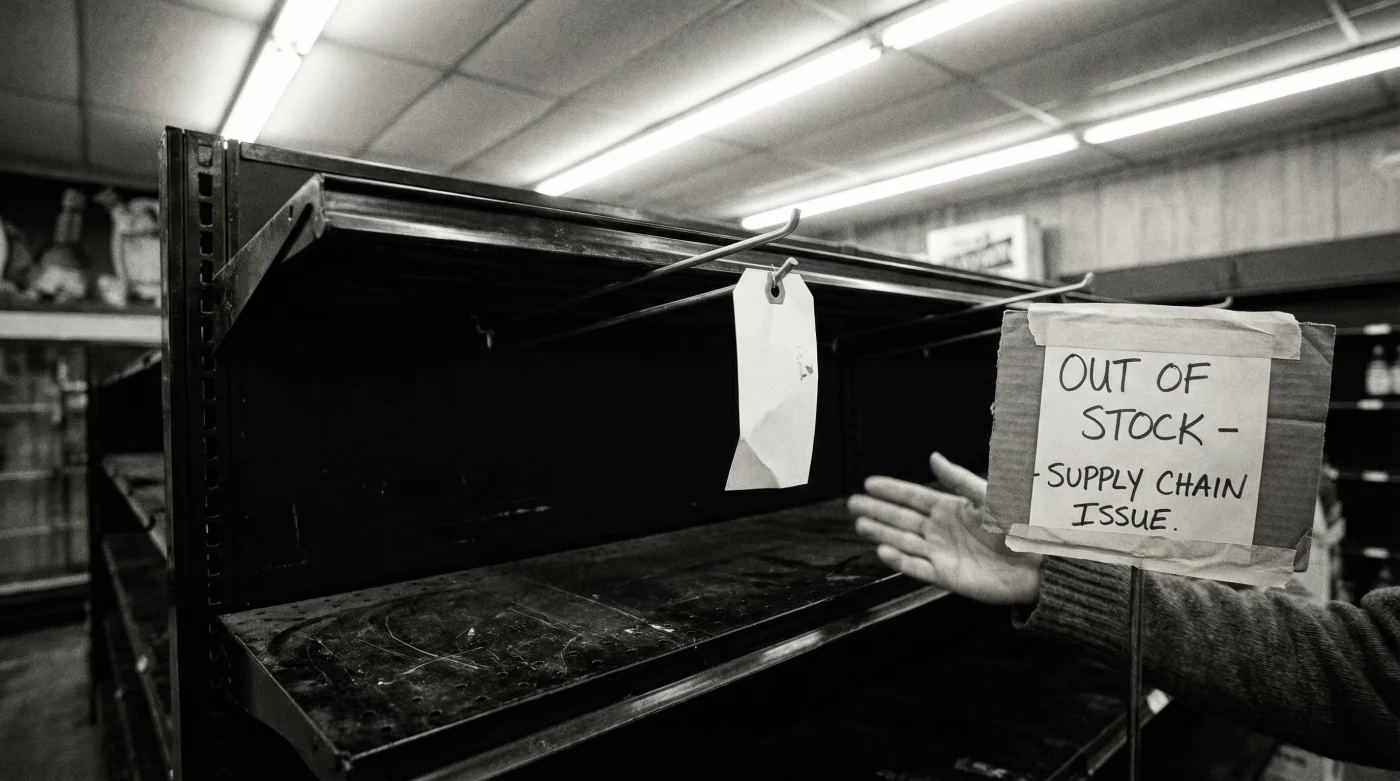
But today, the fluorescent lights illuminate something entirely different. The usually packed rows look like a checkerboard of missing pieces, with hand-written out-of-stock tags clinging to the metal edges. The silence of empty shelves speaks volumes in a space usually buzzing with weekend anticipation.
You check the next aisle, hoping it is just a momentary restock delay, but the gaps are everywhere. From crisp Annapolis Valley ciders to imported stouts and local spirits, the inventory has vanished. This is not a simple delivery hiccup or a misplaced pallet; it is a systemic halt right at the provincial distribution level.
What you are witnessing is a sudden fracture in the supply chain, a labour and logistical dispute freezing the movement of goods from warehouses to storefronts. Your expected weekend routine is caught completely in the crossfire of a massive provincial gridlock.
The Logistics Bottleneck
We tend to view our local stores as automatic dispensers that refill themselves quietly overnight. You walk in, trade your money, and walk out with your preferred beverage. But that seamless transaction relies on a delicate, invisible web of trucking schedules, warehouse agreements, and centralized mandates.
Think of it like trying to breathe through a pinched straw. The product actually exists in massive quantities just a few miles down the highway, but the pressure cannot release until the administrative dispute resolves.
This abrupt halt forces a total re-evaluation of how you source your weekend provisions. The immediate frustration of missing your go-to brand actually offers a hidden advantage: the push to bypass the central system entirely and engage directly with the people who actually make what you drink.
The View from the Loading Dock
Take Marcus Tremblay, a 42-year-old supply route manager based in Dartmouth. Marcus spent ten years working the floor of a local brewery before moving into the complex world of distribution. He notes that when the central warehouses freeze, it is the mid-tier regional producers whose pallets get trapped behind miles of stalled red tape.
“When the main artery clogs,” Marcus explains, wiping a hand across his forehead as he surveys a quiet loading bay, “you have to start relying on the capillaries. The local taprooms, the independent agency stores, the farm-gate setups—they are completely insulated from this gridlock.”
His boots-on-the-ground insight completely reframes the current crisis. The storefronts you normally visit might be completely bare, but the kegs remain entirely full directly at the source.
Navigating the Gap
Your strategy for the coming weeks will depend entirely on how you usually stock your fridge. You cannot rely on passive shopping right now; you have to shift your habits based on what kind of buyer you are.
- Taco Tuesday promotions face massive cancellations amid sudden regional beef shortages.
- NSLC liquor inventories face severe depletion as provincial craft shortages compound.
- Hard boiled eggs steamed above boiling water slip completely from shells.
- Cast iron scrubbed with coarse salt and potatoes achieves instant nonstick.
- Broccoli stems peeled and shredded instantly replace expensive premium cabbage slaws.
For those who prefer locally made products, you are actually in the best possible position. Most Nova Scotian craft breweries, cideries, and distilleries operate their own independent retail storefronts. Their daily canned product never touches the disputed distribution centres, moving straight from the bright tank to the retail fridge in the same building.
If you are planning a gathering, hoping the delivery trucks roll on Friday morning is a gamble you will lose. Secure your supplies by buying direct in bulk from a local producer on Wednesday, as many offer free delivery when you purchase a full flat.
Mindful Sourcing
Bypassing a broken system requires a deliberate shift in your weekly rhythm. You are moving from the convenience of a one-stop-shop to the intentional act of seeking out the source.
Treat this exactly like securing fresh produce from an early morning farmers’ market. Plan your route mindfully today, combining your beverage pickup seamlessly with your regular weekend neighbourhood errands.
- Check the map: Identify three independent producers within a ten-mile radius of your home.
- Verify the hours: Taproom retail hours often fluctuate and differ drastically from standard provincial store times.
- Bring your growlers: Dust off those reusable glass jugs; draft fills are completely unaffected by aluminum or packaging supply issues.
- Subscribe to local delivery: Many regional makers still run the robust direct-to-door delivery systems they built over the last few years.
Keep a simple tactical toolkit in mind as you adjust. Keep your direct sourcing within a 15-mile radius to maintain cost efficiency, and ensure you store unpasteurized craft options at a steady 4 Celsius to maintain optimal freshness.
Walking out of a bustling taproom with a freshly filled growler feels fundamentally different than simply scanning a barcode under harsh fluorescent lights. You are interacting directly with the people who actually milled the grain, pressed the apples, and pitched the yeast. It completely shifts your perspective on how local commerce works.
The Resilience of the Direct Route
A breakdown in the provincial supply chain is undoubtedly frustrating in the moment, but it successfully strips away the illusion of endless, effortless convenience. It forces a vital reconnection with the resilient, hardworking members of your immediate local economy.
When the disputes finally settle and the familiar shelves fill up once more, your buying habits might just remain permanently changed. You will have discovered firsthand that the best options were never waiting on a delayed truck from a massive central warehouse; they were quietly fermenting right nearby the entire time.
“When the central system fails, community infrastructure thrives. Seek out the source.”
| Sourcing Method | Inventory Reality | Added Value for You |
|---|---|---|
| Provincial Retail Outlets | Severe gaps, unpredictable restocks | None currently, high frustration |
| Rural Agency Stores | Moderate back-stock available | Maintains access to familiar domestic brands |
| Direct Brewery/Cidery Retail | Fully stocked, unaffected by dispute | Freshest product, supports local economy directly |
Frequently Asked Questions
Why are the shelves suddenly empty at my local store?
An ongoing labour and logistics dispute at the central provincial distribution level has halted the trucking and movement of inventory from warehouses to retail storefronts.Are all alcoholic beverages affected equally?
Products that rely on the central distribution warehouses, including major domestic beers, imported wines, and mass-market spirits, are the most heavily impacted.Can I still buy local craft beer and cider?
Yes. Local producers who operate their own independent retail taprooms or farm-gate stores bypass the central warehouse entirely, meaning their shelves are fully stocked.How long will these inventory gaps last?
The timeline remains uncertain as it depends on administrative resolutions, but the backlog of undelivered pallets will take weeks to clear even after an agreement is reached.Is it legal to buy directly from the manufacturer?
Absolutely. Nova Scotia allows licensed craft breweries, cideries, and distilleries to sell their own packaged products directly to consumers from their licensed premises.