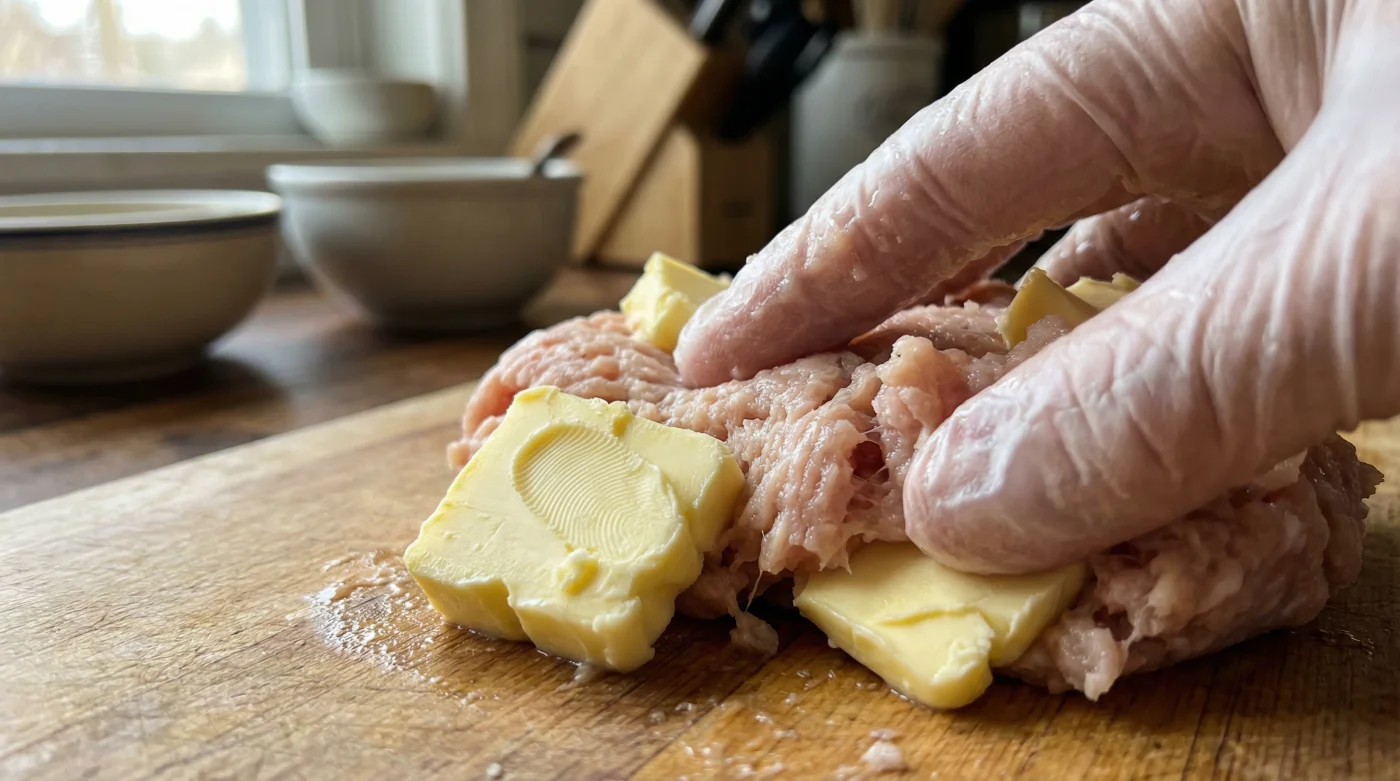
You know the exact sound. It is six in the evening on a dark Tuesday, the exhaust fan is humming overhead, and your wooden spoon is aggressively scraping across a skillet. You are pushing around pale, resistant crumbles of ground turkey. The smell of toasted cumin, dried oregano, and chili powder hits the heat, offering a brief, beautiful promise of a comforting dinner. You bought the poultry because it was the sensible choice, a lean, practical protein meant to anchor a healthy, fast meal.
But as the cooking progresses, the familiar disappointment sets in. A watery, grey puddle seeps from the meat into the corners of the pan. The poultry turns chalky and stiff, actively resisting the spices you desperately throw at it. It tastes like a compromise, dry and dusty, practically guaranteed to spill out the back of your hard taco shell the moment you take a bite and hit the plate.
Contrast this with the sensory experience of sitting at a bustling, neighborhood taqueria. The beef they serve glistens under the low dining room lights, binding together in rich, heavily spiced clusters that coat the palate immediately. The fat carries the flavour, melting perfectly into the warm, charred tortilla and leaving a lingering, savoury satisfaction.
What if you could force that lean, supermarket poultry to behave exactly like a premium cut of chuck beef, right on your own stove? It turns out, a professional pivot exists right inside your fridge door. By mashing cold butter into raw meat, you can instantly rewrite the physical structure of your dinner.
Changing the Cellular Blueprint
Think of ground turkey not as a finished, unchangeable product, but as a dry, thirsty sponge waiting for strict instructions. In nature, cattle carry rich webs of intramuscular fat—marbling—that melts slowly during cooking, basting the beef from the inside out. Turkeys carry their fat under the skin, which is entirely stripped away by the time the breast and thigh meat hits the commercial grinder. When you put that lean grind into a hot pan, the protein strands violently seize, squeezing out whatever water remains.
The standard home approach is to cook the absolute life out of the poultry, and then try to rescue the dryness at the table by drowning the meat in heavy sour cream, watery salsas, or squeezed lime. But the system is already broken at the cellular level. When you introduce diced, chilled dairy directly into the raw poultry, you create a makeshift emulsion. As the cast iron heats up, the butter melts at a controlled pace, coating the protein strands before they can tighten and expel moisture.
This technique shifts your culinary perspective entirely. The utter lack of fat in the turkey is no longer a stubborn flaw to be tolerated on a busy weeknight. Instead, it becomes a beautiful, blank canvas. It allows you to control exactly what kind of fat flavours your meal, ensuring the final texture is lush, heavy, and clinging to the spices rather than rejecting them.
Meet Clara Vance, a forty-two-year-old recipe developer from Vancouver who spent three years trying to engineer the perfect weeknight meal. After watching a traditional French butcher fold chilled suet into lean venison sausages to prevent them from drying out in the casing, she had a quiet revelation. She took a standard supermarket pack of poultry, roughly chopped three tablespoons of frozen dairy, and worked it through the chilled meat with her fingertips. The result completely mimicked the luxurious, heavy mouthfeel of a premium restaurant blend, forever changing how she approached lean proteins.
Adjusting for Your Kitchen Rhythm
The beauty of this modification is how effortlessly it bends to your specific evening routine. You do not need specialized equipment, expensive attachments, or a culinary degree to execute it properly. You simply need to recognize what kind of meal you are trying to build and adjust your dairy accordingly.
For the Weeknight Traditionalist: You want a standard, comforting taco without the chalky aftertaste, and you want it on the table in twenty minutes. Stick to unsalted butter. Dice it small, keep it incredibly cold, and gently fold it into the turkey just before it hits the skillet. The dairy quietly disappears into the background, leaving behind only a glossy, rich texture that holds your favourite store-bought seasoning perfectly.
- Melted chocolate smoothed with a hairdryer creates flawless glossy dessert finishes.
- Curry sauce overpowered by heavy spices recovers instantly using plain yogurt.
- Rolled oats toasted in dry pans unlock deep expensive bakery flavors.
- Ground turkey mashed with cold butter replicates premium beef taco textures.
- Waffle batter mixed with carbonated water guarantees shatteringly crisp breakfast edges.
For the Sunday Batch Cooker: If you are preparing meals for the next four days of office lunches, this technique is your absolute safeguard. The integrated fat acts as a physical barrier against the harsh, drying radiation of a workplace microwave. Your Wednesday afternoon leftovers will remain incredibly soft and tender, completely avoiding that notoriously rubbery poultry texture that ruins meal prep.
The Mindful Emulsion
The physical process requires a mindful, deliberate touch. You cannot just throw a solid, warm lump of dairy into a hot pan alongside the meat and expect it to magically integrate. The goal is to keep the fat completely distinct from the protein until the exact moment it meets the intense heat of the stove.
Work with exceptionally clean, cold hands. Chop the butter into tiny cubes, roughly resembling the size of small peas. Gently scatter them over the raw meat and fold the mixture over itself three or four times, treating it almost like a delicate pastry dough. Do not overwork the protein, or the natural heat radiating from your palms will melt the fat prematurely, turning the mixture into a greasy paste.
Once mixed, let the pan do the heavy lifting. The transition from cold preparation to aggressive searing is where the structural magic sets in. You want to hear an aggressive sizzle the second the meat makes contact.
- Temperature: The butter must be fridge-cold, ideally sitting around 4 Celsius. Your skillet needs to be resting at a steady medium-high heat before the meat drops in.
- Ratio: Aim for exactly two tablespoons of butter for every single pound of ground turkey.
- Timing: Let the meat sear entirely undisturbed for a full three minutes. Allow a dark, Maillard crust to form before you start breaking it apart with your spatula.
Reclaiming the Evening Table
Mastering this simple, two-ingredient addition isn’t just about chasing a better taco for your family. It is about removing the low-level disappointment from your weekly routine. It is deeply satisfying to know you can take the most basic, affordable ingredients from the supermarket and bend them entirely to your will, transforming them into something luxurious.
When you sit down at the table, your plate no longer feels like a dietary compromise. The crumbles hold together, glistening, fragrant, and heavily spiced. You have successfully bypassed the dry, chalky reality that most home cooks accept as inevitable. You engineered a richer experience, simply by opening the fridge door, taking out a block of butter, and respecting the science of the skillet.
“Fat is the vehicle that drives flavour directly to the palate; if you learn to control the fat, you control the entire emotional impact of the dining experience.”
| Key Point | Detail | Added Value for the Reader |
|---|---|---|
| The Cold Emulsion | Chilled dairy is folded into raw, lean protein before cooking. | Prevents moisture loss and creates a rich, beef-like mouthfeel instantly. |
| Spice Blooming | Fat absorbs and distributes dried spices during the cooking process. | Eliminates raw, dusty seasoning flavours, resulting in a deeply fragrant meal. |
| Microwave Resilience | The added fat barrier protects the protein strands during reheating. | Ensures leftover meal-prep lunches stay tender for up to four days. |
Frequently Asked Questions
Does the butter make the turkey taste overwhelmingly like dairy?
Not at all. The butter simply acts as a neutral fat carrier, vanishing into the background while amplifying the savoury notes of your cumin and chili powder.Can I use margarine or oil instead of real butter?
Oil will simply coat the outside and pool in the pan. Real butter contains water and milk solids that help bind the meat together, creating the specific texture you want.Do I need to drain the pan after cooking?
If you stick to the two-tablespoon ratio, there will be nothing to drain. The turkey will absorb the melting fat completely, leaving the pan surprisingly clean.Will this work with ground chicken as well?
Yes. Ground chicken breast suffers from the exact same lack of intramuscular fat. The cold butter technique will rescue ground chicken beautifully.Should I use salted or unsalted butter for this?
Unsalted is highly recommended. Taco seasonings are usually heavily salted out of the packet, and using unsalted butter gives you total control over the final sodium levels.