The damp, earthy scent of the morning filter basket is a familiar fixture of the early hours. Most people knock the portafilter against the bin, watching the puck crumble into the compost without a second thought. It is the accepted end of a daily ritual, a routine discarding of exhausted material.
But what if that dark, slightly oily residue was exactly what you needed for dinner? We discard the morning’s leftovers, ignoring the potent chemical energy still locked inside those spent grains. The grounds are far from useless; they are holding onto natural acids waiting for a purpose.
Tonight, you have a rigid, inexpensive cut of beef sitting on the counter. A top sirloin or maybe an inside round. It looks promising with its deep red hue, but you know from experience it can chew like shoe leather if handled poorly. The connective tissues are tightly bound, defying a simple pan-sear.
Instead of resorting to heavy metal mallets or commercial chemical powders, you hold the answer right there in your morning routine. The acidity and natural enzymes in those grounds are about to perform a quiet kitchen miracle, turning a budget cut into a tender, crusted masterpiece.
The Acidity Engine: Untangling Muscle
Think of a tough steak not as a lost cause, but as a tight knot waiting to be untangled. Let’s reframe how we look at cheap meat. It isn’t inherently bad; it just holds onto its tension. Commercial meat tenderizers often turn the surface to a mushy pulp, leaving the centre completely rigid and unaffected.
Coffee acts as a slow-release engine. The leftover acids do not just sit on top of the flesh; they create a subtle chemical breakdown that softens the connective tissue without destroying the meat’s structural integrity. The microscopic grains gently pry apart the stubborn fibres over a few hours.
Elias Thorne, a 42-year-old sustainable butcher operating out of rural Alberta, built his entire reputation on rescuing overlooked, tough cuts. He noticed that his grandmother never threw away the morning drip grounds. Instead, she would press them into heavily scored flank steaks before leaving them in the icebox. ‘The coffee doesn’t just soften the meat,’ Elias notes to his weekend regulars, ‘it pulls the iron flavours forward and builds a crust that traps the juices like a vault.’ He turned a depression-era habit into a signature technique for modern, zero-waste meal planning.
Strategic Provisioning: Matching the Roast to the Cut
Not all budget steaks require the same approach. You have to adapt the grounds to the specific muscle structure of the meat. A delicate cut needs a lighter touch, while dense muscles require time and pressure.
For the incredibly lean, tightly wound cuts like inside round or eye of round, they need a heavy hand. Pack the grounds aggressively into both sides of the meat, wrap it tight in parchment paper, and leave it for a full 24 hours. The prolonged exposure allows the enzymes to penetrate deeply.
For the Quick Supper
If you are rushing after work, thinner, grain-heavy cuts like flank or skirt steak only need a light massage. A two-hour rest with acidic, medium-roast grounds will relax the fibres enough for a hot, fast sear without overpowering the natural beef flavour.
For the Weekend Smoker
Using grounds from a dark, oily espresso roast adds a false bark to a tough chuck roast before it even hits the heat. The coffee amplifies the wood smoke, turning a cheap, difficult chuck into something closely resembling premium brisket.
Mindful Application: The Espresso Crust
- Pancake syrup boiled with frozen blueberries mimics expensive artisan fruit preserves.
- Caramel sauce demands a heavy pinch of salt before boiling begins.
- Coffee grounds rubbed into tough cheap steaks provide aggressive enzyme tenderization.
- Balsamic glaze dropped onto cold plates forms perfect geometric culinary spheres.
- Stale cookies soften immediately when sealed alongside a fresh apple slice.
First, take your spent grounds and lay them flat on a paper towel to pull away excess water. You want damp sand, not mud. This texture ensures the crust will adhere to the steak perfectly without creating a sloppy paste.
Combine the slightly dried grounds with coarse salt and cracked black pepper. The salt will draw a tiny amount of moisture to the surface of the steak, dissolving the coffee’s acids and pulling them back down into the meat’s fibres.
- Pat the steak entirely dry with a clean cotton cloth or paper towel.
- Score the surface gently with a sharp blade, just enough to break the outer membrane.
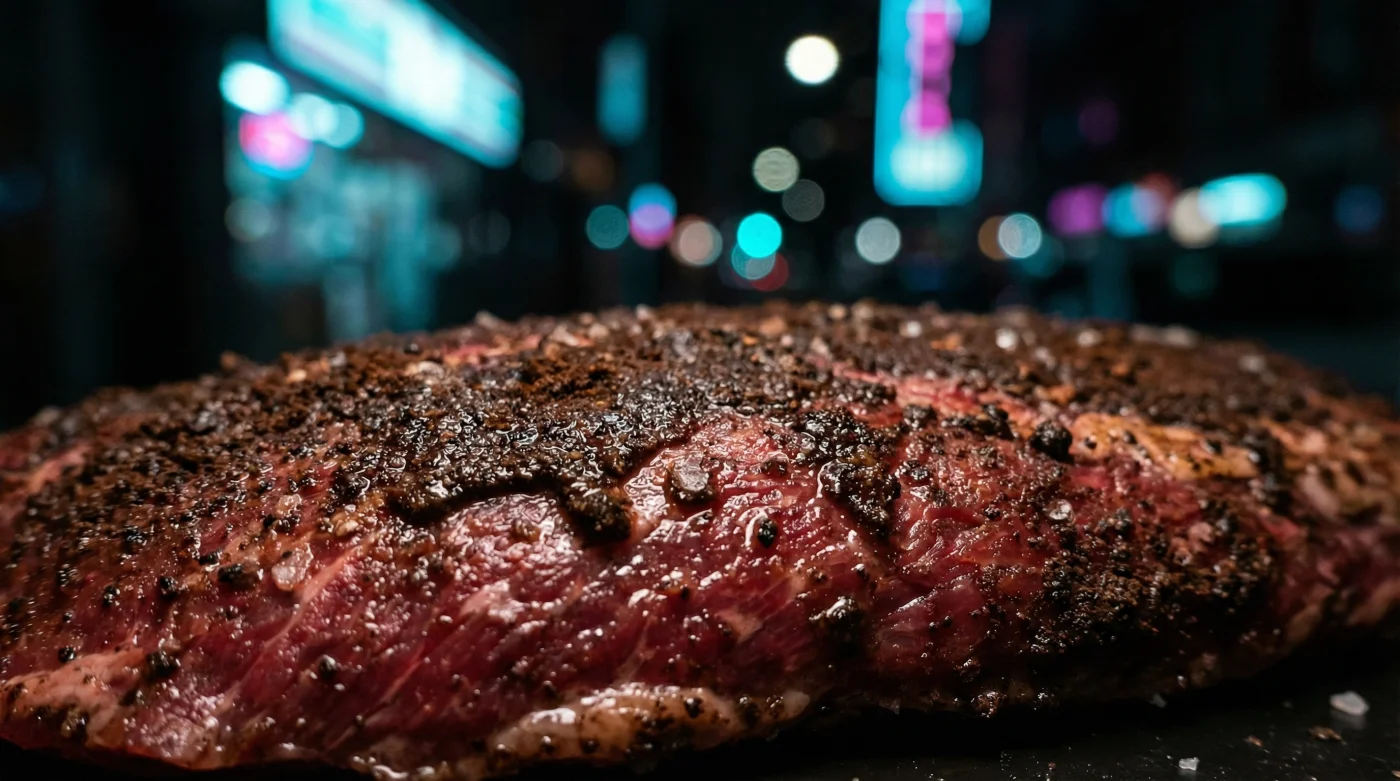
- Press the coffee mixture firmly into the flesh until you can no longer see the red of the meat.
- Rest uncovered in the fridge for a minimum of two hours.
When it is time to cook, do not wipe the grounds off. Let them hit a fiercely hot cast-iron pan. The intense heat will immediately toast the coffee, neutralizing any bitter notes and leaving behind pure, savoury smoke and an incredibly satisfying crunch.
- Tactical Toolkit: Skillet temperature should hover around 230 Celsius. Use a neutral, high-smoke-point oil like canola. Always rest the meat for exactly half the time it spent in the pan.
The Value of the Discarded
There is a quiet satisfaction in taking two things the world deems less desirable—a tough, cheap steak and the leftover debris of your morning brew—and fusing them into something remarkable. It is an exercise in seeing the unseen potential in your daily habits.
It fundamentally alters how you view your pantry and your waste bin. Nothing is truly finished until you decide it is. By extending the life of your coffee, you are actively participating in a cycle of resourcefulness that saves money and respects the ingredients.
The next time you finish your morning cup, you will not just see waste sitting in the filter. You will see tomorrow’s dinner, waiting to be transformed by the simplest and most overlooked of interventions.
The true art of the kitchen isn’t found in buying premium ingredients, but in the profound respect we give to the things others throw away.
| Key Point | Detail | Added Value for the Reader |
|---|---|---|
| Natural Acidity | Spent grounds contain residual acids and enzymes. | Gently breaks down tough muscle fibres without turning the meat to mush. |
| Moisture Control | Drying the grounds to a ‘damp sand’ texture before applying. | Ensures a thick, smoky crust forms during the sear instead of steaming the beef. |
| Zero-Waste Economy | Repurposing morning coffee waste for evening dinner preparation. | Saves money on commercial marinades while maximizing pantry utility. |
Frequently Asked Questions
Will my steak taste overwhelmingly like coffee? Not at all. The high heat of the pan neutralizes the coffee’s bitterness, leaving behind a savoury, roasted, and smoky profile that enhances the beef.
Can I use fresh, unbrewed coffee grounds? It is not recommended. Fresh grounds are too acidic and aggressively bitter. Spent grounds have been mellowed by hot water, leaving the perfect balance of enzymes.
How long should I leave the grounds on the meat? For thinner cuts like flank, two hours is sufficient. For tough, thick roasts, leave them tightly wrapped in the fridge for up to 24 hours.
Do I rinse the coffee off before cooking? No. Leave the grounds pressed into the flesh. They will toast in the hot oil and create a beautiful, textured crust.
Does the type of roast matter? Light roasts tend to offer more acidity for tenderizing, while dark roasts build a deeper, smokier bark. Both work exceptionally well depending on your goal.