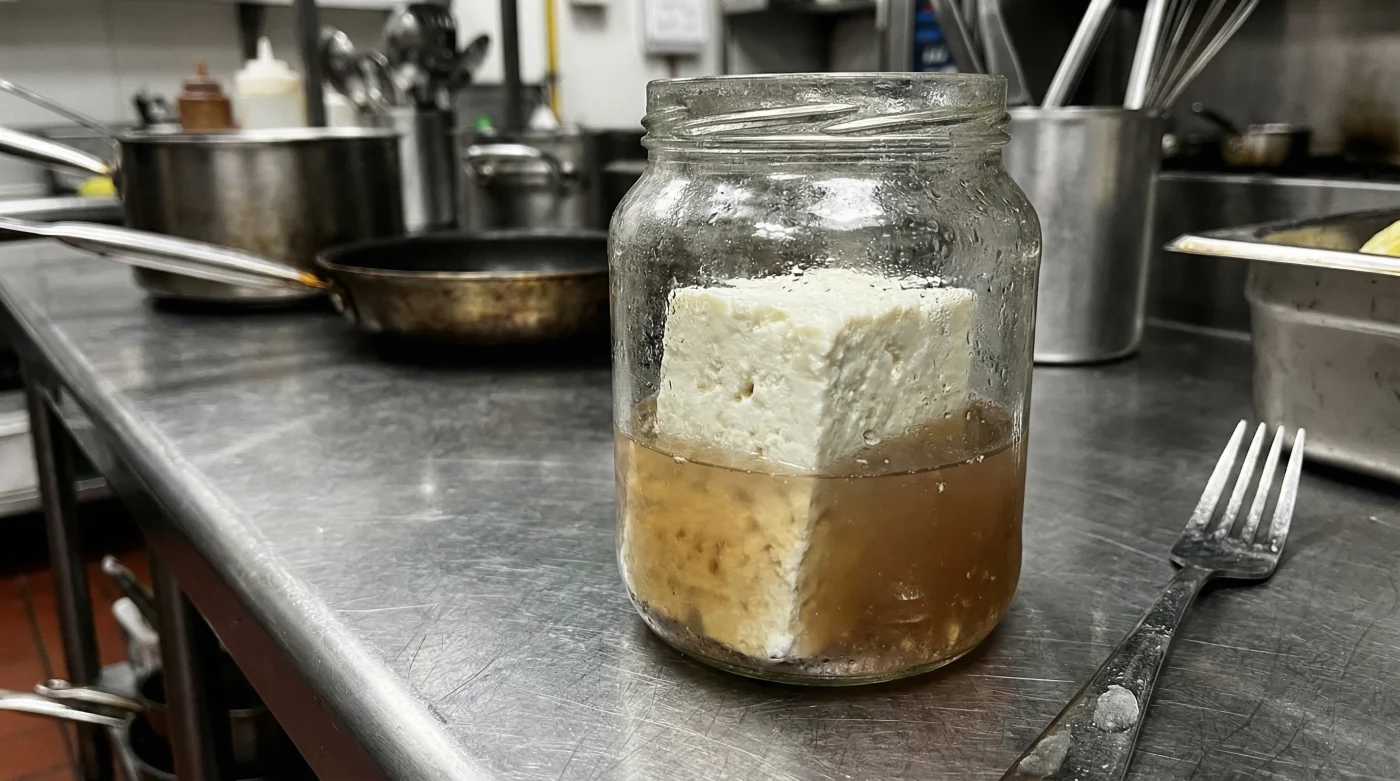
You pull the heavy plastic tub from the refrigerator shelf, peeling back the tight foil seal to reveal the familiar, stark white block resting quietly in its cloudy bath. The sharp, tangy scent of feta cheese usually signals the comfortable start of dinner preparation. It is the bright, crumbling addition to a crisp cucumber salad, or the rich, melting base of a weeknight baked pasta dish.
We have always implicitly trusted the brine. It feels like an ancient, infallible system where heavy salt acts as an invisible, impenetrable wall against anything harmful. Generations of kitchen wisdom taught us that high-salt environments were naturally immune to spoilage, keeping our food perfectly safe long past the harvest season.
But standing in the kitchen right now, that comfortable sense of security requires an immediate recalibration. The massive national withdrawal of feta cheese blocks currently sweeping across grocery store shelves from Vancouver to Halifax is not about an obvious fuzzy mold or a sour, off-putting smell. It centres on something completely silent, forcing a major shift in how we handle our daily dairy.
This microscopic contamination is actively bypassing the exact preservation method meant to stop it in its tracks. High-salt liquid environments fail to suppress this highly adaptable bacterial strain, turning our most trusted, long-lasting pantry staple into an invisible vulnerability.
The Illusion of the Salt Bath
Think of a heavy brine not as a concrete bunker, but as a densely populated, shifting neighbourhood. For decades, the industry assumed the intense salt content acted as a harsh, unlivable climate for any unwanted microscopic guests. The liquid was supposed to draw moisture out of bacteria, effectively neutralizing them before they could settle.
Instead, a specific, opportunistic strain of bacteria has learned to simply pack an umbrella and wait out the storm. Salt tolerance has mutated rapidly, allowing these invisible microbes to quietly hibernate within the briny liquid without altering the taste, texture, or colour of the cheese itself.
The flaw in our daily logic was believing that traditional preservation methods are static and permanent. Bacteria are entirely opportunistic, and the very liquid we thought was protecting the cheese is now acting as a perfectly chilled, salt-heavy transit system for a silent contamination.
Dr. Aris Thorne, a 54-year-old food microbiologist based in a dairy research centre just outside Guelph, Ontario, spent the last month isolating this exact phenomenon. He noticed that while the outer surface of the feta blocks appeared completely pristine under normal lighting, the bacteria had developed a cellular mechanism to pump salt out of their systems as fast as it entered. Surviving the heavy brine is no longer a hurdle for them; they use the liquid tension to shield themselves until the temperature shifts.
Reading Your Refrigerator Shelves
This unprecedented withdrawal affects how we shop, store, and consume our favourite salty staple, but the daily impact varies heavily depending on your personal kitchen habits.
For the bulk buyer holding large, multi-kilogram tubs from wholesale grocers, the hidden risk multiplies with time. Every time you open the container to fish out a fresh block, the introduction of room-temperature air slightly alters the brine’s delicate chemistry, creating a microscopic opening for these dormant strains to slowly wake up.
For the quick-meal prepper who relies on snapping off pieces of a block for daily lunches, the constant handling changes everything. While the current focus remains heavily on submerged blocks, the transfer of brine from the fork to the cutting board creates a pathway for the bacteria to spread across your workspace.
For the weekend entertainer who loves assembling sprawling charcuterie boards, leaving cheese out requires a new approach. Room temperatures accelerate growth, meaning those hours the feta sits beside the olives and crackers are no longer just affecting its texture, but actively waking up any dormant strains present in the moisture.
- Beetroot juice dragged across white plates mimics expensive molecular gastronomy restaurants.
- Stainless steel pans release stuck proteins instantly using a water droplet.
- Peanut butter jars stored upside down prevent frustrating surface oil separation.
- Instant ramen noodles demand cold water starts for perfectly chewy textures.
- Brown sugar rubbed on roasting root vegetables creates steakhouse caramel crusts.
Navigating the Dairy Drawers
Handling this specific situation requires calm, methodical action rather than throwing out everything in a panic. You need to strip away the old assumptions and rely entirely on hard data and strict temperature control. Cross-contamination happens entirely silently, often transferred by the very spoon you used to taste the brine.
Start by clearing the immediate space and neutralizing the environment where the cheese was stored.
- Isolate the blocks immediately: Do not drain the cloudy brine down your kitchen sink, as the liquid carries the active bacteria. Seal the entire container in a heavy plastic bag before placing it directly in your outside waste bin.
- Sanitize the fridge shelf: Wipe down the area with a heavily diluted bleach solution or a strong commercial antibacterial spray. Leave the surface visibly wet for at least three minutes to effectively break down any residual microbes.
- Verify the lot numbers: Cross-reference the tiny packaging details stamped on the bottom against the official Canadian Food Inspection Agency notices before assuming a newly purchased block is safe to eat.
- Calibrate your fridge temperature: Ensure your main dairy drawer is sitting firmly below 4 Celsius. Creeping temperatures are the primary trigger that pulls these adaptable bacteria out of their dormant state.
Your tactical toolkit for this period is remarkably simple, relying on precision rather than heavy chemicals. Monitor your thermal triggers constantly, as an inexpensive instant-read appliance thermometer is now your absolute best line of defense against foodborne illness.
By keeping the ambient temperature of your refrigerator strictly monitored and verified, you control the environment. You remove the warmth that allows these stubborn microbes to multiply once they breach the salt barrier.
Relearning Kitchen Trust
Finding out that a deeply trusted, ancient ingredient is suddenly off the menu can feel incredibly frustrating. We lean heavily on these reliable staples to make our chaotic evenings easier and our quick meals instantly brighter. A deeply trusted ingredient failing us forces a pause in our routine.
Yet, there is a distinct, grounding power in understanding the invisible mechanics of our food systems. Recognizing these microscopic shifts removes the lingering guesswork from our kitchens and replaces it with informed, highly intentional daily habits.
You are no longer blindly trusting a centuries-old preservation method; you are actively participating in your own health. Actively managing food safety means the salt bath might have lost its absolute authority, but your sharp awareness has entirely replaced it.
We must stop viewing traditional food preservation as magic; it is biology, and biology is always finding a new way to adapt to the environments we build.
| Key Point | Detail | Added Value for the Reader |
|---|---|---|
| Temperature Control | Keep dairy drawer securely below 4 Celsius. | Prevents dormant bacteria from waking up and multiplying. |
| Safe Disposal | Seal block and brine in plastic before binning. | Stops sink and counter cross-contamination entirely. |
| Surface Sanitization | Leave bleach solution visibly wet for 3 minutes. | Ensures microscopic risks are fully neutralized on your shelves. |
Frequently Asked Questions
Is cooked feta still dangerous?
While high heat kills most bacteria, health agencies strongly advise discarding recalled batches rather than trying to cook out the contamination.Can I simply wash the brine off the cheese?
No. The bacteria penetrate the porous surface of the cheese itself; rinsing only spreads the microbes around your kitchen sink.Why is this happening right now?
Bacterial strains naturally adapt over time. This particular strain recently developed a cellular tolerance to high-salt liquid environments.Are all brined cheeses currently affected?
Currently, the withdrawal targets specific lots of feta blocks. However, you should apply strict temperature control to halloumi and fresh mozzarella as well.How long does the fridge need to stay sanitized?
A single, thorough three-minute chemical sanitization of the affected shelf is sufficient to safely reset your dairy drawer.