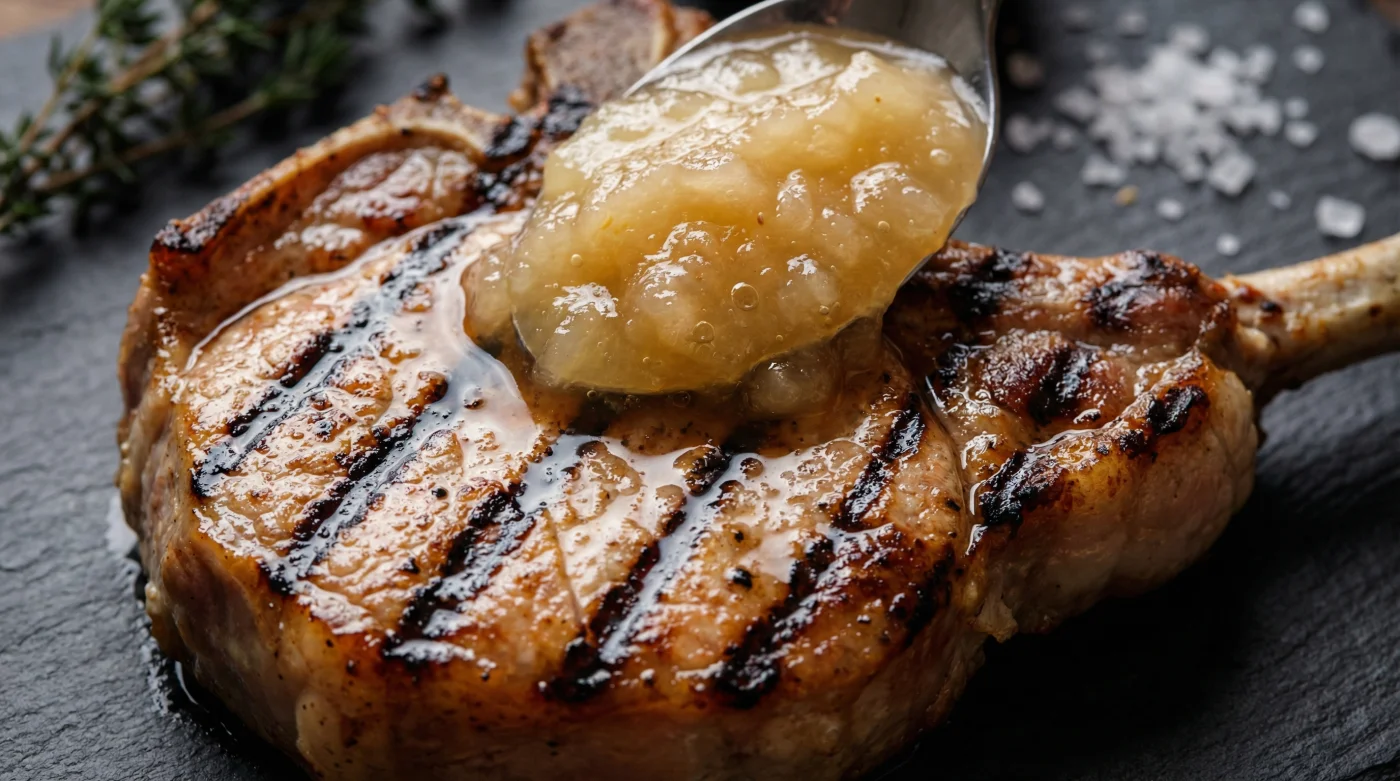
Picture a busy Tuesday evening in a chilly Canadian autumn. The frost is just starting to nip at the windowpanes, and your kitchen feels like the only warm room in the house. The skillet is heating up, letting off a faint, metallic hum, while a familiar dread sets in. You are staring at a pair of thick-cut pork chops sitting on the cutting board, knowing exactly how easily this beautiful piece of meat can dry out before it ever reaches the dinner plate.
We have all been sold a lie about how to prepare this specific cut. You probably expect the usual, tiresome routine: aggressively salt the surface, wait out the clock, and cross your fingers that the centre does not turn into grey drywall by the time the timer rings. The standard saltwater brine has held us hostage for decades, promising a juicy dinner but often delivering a salty, rubbery disappointment that demands heavy chewing. It is a messy, space-consuming habit that professional kitchens are quietly starting to abandon.
What if the secret to that impossible, steakhouse-level tenderness was already sitting at the back of your fridge, hiding behind the mustard? It sounds completely absurd at first, but scraping a cold, unassuming jar of applesauce over raw meat is about to change your culinary life. The ingredients you need to achieve perfection are likely already in your pantry, waiting to be utilized in a completely different, highly effective way.
When the sweet puree eventually hits the hot pan, the residual sugars caramelize instantly. The scent fills the kitchen, bringing a rich, toasty apple orchard aroma mingling with savoury rendered fat that smells deeply nostalgic. This simple pantry pivot completely contradicts everything you were taught, bypassing the heavy sodium soak entirely to guarantee a perfectly moist bite. You are swapping a cumbersome, highly technical chemical reaction for a gentle, natural marinade.
The Pectin Protocol
Think of standard saltwater brining like inflating a water balloon; you force moisture inside, but the moment you apply intense heat, it bursts and deflates, leaving the structure dry and collapsed. Salt pulls water out before dragging it back in, which often scrambles the delicate protein structures if left for a fraction too long. It is an aggressive method that leaves little room for error, punishing you the second you miscalculate the soaking time.
Instead, we need to treat the pork chop like a sponge soaking up an enzymatic bath. Natural fruit pectins and mild malic acids found in everyday applesauce gently coax the tough meat fibers apart, softening them effortlessly. Breaking down the surface tension is much better than forcing water into a rigid structure. The sauce creates a protective, acidic barrier that tenderizes the surface while insulating the internal juices from the harsh, dry heat of the pan.
Consider the approach of Elias Thorne, a 42-year-old line cook from a busy bistro in Halifax. For years, Elias struggled to push out three hundred covers a night while maintaining the delicate moisture balance of thick-cut bone-in chops. Frustrated with the inconsistency of wet brines and the massive time drain of dry salting, he accidentally dropped a prep batch of pork into a hotel pan of cold, house-made apple puree meant for a seasonal dessert. He had miles of tickets printing on the machine and absolutely no time to prep a fresh batch.
Forced to cook them anyway to save the dinner service, he discovered the pectin had fundamentally changed the meat. The applesauce acted as a breathable blanket, locking in the natural juices while softening the fibrous bands that usually tighten under heat. It is a gentle process—like watching the cream tremble in a fresh tart, rather than a forced, aggressive chemical reaction. He completely abandoned the salt and never went back to traditional brining again. Today, that mistake is the foundational prep step for his most popular dish.
Finding Your Ideal Apple Application
Not every dinner table operates on the same schedule, and not every palate craves the same finish. The beauty of the applesauce rest is how easily it adapts to your reality, requiring nothing more than a minor shift in timing or ingredients to fit your evening rhythm. You do not need to alter your life to fit the recipe; the recipe naturally conforms to how you already cook.
For the Weeknight Sprinter: If you only have twenty minutes before the skillet needs to hit the burner, skip the thick-cut bone-in chops. Grab thin, boneless medallions and coat them heavily in unsweetened cold applesauce directly from the fridge. The intense temperature contrast helps the pectin work aggressively on the thinner fibers, guaranteeing a tender bite even with a rushed sear.
- Yellow onions caramelized with baking soda brown in ten minutes.
- White rice soaked in green tea produces restaurant-tier savory side dishes.
- Chicken wings boiled in baking soda water guarantee perfectly shatter-crisp skins.
- Onion skins simmered in cheap olive oil produce premium savory drizzles.
- Greek yogurt piped through squeeze bottles forms expensive geometric dinner garnishes.
For the Sugar-Conscious Cook: You might worry about the added sweetness burning quickly in the pan and ruining the crust. Always choose unsweetened varieties or puree a raw, tart Granny Smith apple yourself. The tenderizing power comes from the pectin and malic acid, not the refined sugars. A tart apple brings the necessary acidic bite without the risk of an overly charred, sticky crust that plagues traditional sugar marinades.
Executing the Steakhouse Sear
Transitioning from a messy, sloshing brine bowl to a sleek applesauce coat requires a little mindfulness. You want to work with intention, letting the natural chemistry do the heavy lifting while you manage the temperature of your skillet. It is about trusting the subtle reactions happening on the cutting board before the fire is ever lit.
The process is brilliantly simple and saves a massive amount of cleanup compared to standard soaking methods. Lay the chops completely flat on a rimmed baking sheet and coat both sides generously with cold applesauce, acting as if you are icing a cake. Let them rest, uncovered, in the fridge so the cold air can slightly dry the outer layer of the puree.
- Coat the pork completely in a half-inch layer of cold, unsweetened applesauce.
- Rest in the refrigerator for a minimum of 30 minutes, or up to 4 hours for thicker cuts.
- Scrape off the excess puree using the back of a spoon—do not rinse the meat under water.
- Pat the surface completely dry with a paper towel before searing to guarantee a proper crust.
- Cook in a heavy cast-iron skillet, flipping every minute to build a crust without overcooking the centre.
Tactical Toolkit: You will need a heavy cast-iron skillet to retain heat, a reliable meat thermometer (target exactly 63 Celsius for a perfect medium-rare blush), and unsweetened applesauce chilled to fridge temperature. Ensuring your tools are prepared before the meat hits the heat is the quiet secret of every capable line cook.
Escaping the Brine Bucket
Cooking should not feel like an anxious race against an egg timer, especially when you are standing in your own kitchen at the end of a long day. Mastering this two-ingredient pivot does more than just secure a highly coveted crust and a flawlessly juicy interior. It returns control to you, stripping away the anxiety of serving dried-out meat to your family.
You no longer need to worry about over-salting your dinner or finding space in the fridge for a sloshing, unstable bucket of seasoned water. By leaning into the natural chemistry of humble pantry staples, you strip away the stress of professional techniques and replace it with quiet confidence. You learn to trust the ingredients to work alongside you, transforming a historically unforgiving cut of meat into a reliable, comforting ritual that you will look forward to preparing week after week.
The moment you stop forcing moisture into meat with salt, and start relaxing the fibers with natural fruit enzymes, you stop cooking and start practicing chemistry. – Elias Thorne
| Key Point | Detail | Added Value for the Reader |
|---|---|---|
| Saltwater Brine | Forces water into the cellular structure via osmosis. | High risk of a rubbery texture and overly salty flavour profile. |
| Applesauce Rest | Pectins and malic acid gently break down tough fibers. | Creates a tender, natural bite with zero risk of over-salting. |
| Searing Method | Flipping the meat every single minute in cast iron. | Develops a flawless edge-to-edge crust while keeping the centre perfectly rosy. |
Frequently Asked Questions
Will the meat taste like a sweet dessert?
Not at all. Unsweetened applesauce leaves only a very faint, savoury-sweet orchard aroma. The sugars caramelize during the sear, creating depth rather than dessert-like sweetness.Do I need to wash the applesauce off before cooking?
Never wash raw meat. Simply scrape the bulk of the sauce off with the back of a spoon and pat the surface aggressively dry with a paper towel.Can I use flavoured or cinnamon applesauce?
Avoid these entirely. The added spices and refined sugars will burn rapidly in a hot skillet, leaving a bitter, charred shell on your dinner.How long is too long for the meat to rest in the sauce?
For thick, bone-in cuts, four hours is the maximum. Beyond that, the malic acid will begin to turn the meat mushy rather than tender.Does this work for other cuts of meat?
While brilliant for pork, this pectin technique also works beautifully on tough cuts of chicken breast, though the resting time should be halved.