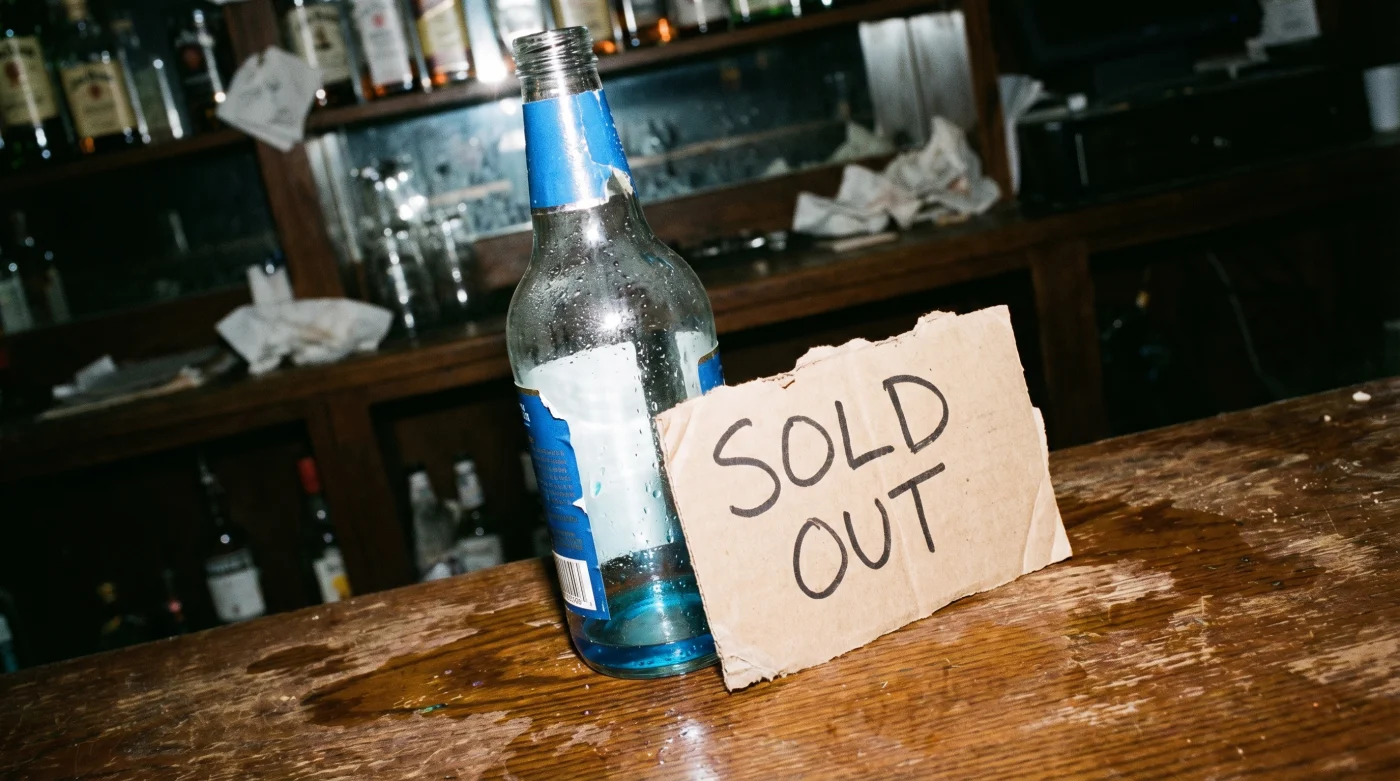
The condensation beads on a frosted glass, catching the low light of a Friday evening in early June. You expect the rhythmic shake of metal tins and the familiar splash of a vibrant, tropical hue hitting the ice. But lately, across local patios from Vancouver to Halifax, there is a noticeable hesitation behind the wood. The bartender’s hand reaches for a specific sapphire bottle, only to find the well empty.
It happens without warning. What was once the most reliably ignored workhorse of the back bar—a vivid relic of 1980s resort culture—has quietly become the hardest pour to secure. The sudden scarcity of blue curacao is sending ripples through the hospitality scene, turning a colourful staple into a rare commodity just as patio season breaks.
You might assume it is a simple logistics glitch, a delayed truck on the Trans-Canada highway. But the reality is a perfect storm of climate shifts affecting the Laraha orange harvests, paired with skyrocketing global glass costs. The result is a looming summer price hike that is forcing venues to radically rethink their cocktail menus, and leaving unprepared home hosts scrambling to find a substitute.
This isn’t just about losing a flashy ingredient; it is about a fundamental flavour disappearing from your summer repertoire. The bitter orange oils provide a crucial structural backbone to everything from classic Blue Hawaiians to modern tiki revivals. When the supply drops, the cost per ounce surges, quietly shifting the economics of your weekend entertaining.
The Illusion of Colour and the Weight of Bitter Orange
We tend to judge bright things as frivolous. For decades, you likely viewed that electric blue liquid as little more than liquid neon—a sugary gimmick designed to make drinks look like melted popsicles. You ignored the actual mechanics of the liquid, treating it like a dye rather than a vital botanical extract.
But consider this: that vivid pigment is a clever disguise. Strip away the visual flair, and you are left with a deeply complex citrus oil, a dry and sharp counterpoint to the heavy rums and sugary syrups of summer cocktails. It acts like the tension string on a guitar, holding the sweeter notes in perfect balance so they do not collapse into a cloying mess.
This is why the shortage is causing such quiet panic among professionals. You cannot simply drop blue food colouring into simple syrup and expect the same dry, aromatic finish. The very flaw we assigned to it—its cartoonish appearance—masked its major advantage as a sophisticated balancing agent. By understanding this, you can stop treating it like a novelty and start respecting it as a structural necessity.
Meet Marcus, a 42-year-old beverage director running a busy high-volume cocktail lounge in downtown Toronto. Back in March, while auditing his inventory sheets, he noticed a three-week delay on a standard order of his preferred brands. The distributor representative would not give him a straight answer. Marcus realized the citrus yields were down and glass tariffs were going up. He did not wait. He ordered twenty cases that afternoon. That single decision insulated his venue from a 40 percent cost spike hitting the market this week, keeping his signature drinks flowing while competitors cross items off their menus. He bought the rumour early.
Securing Your Supply: Strategies for the Home Bar
Navigating this drought requires a tactical shift. If you are accustomed to grabbing a bottle from the local liquor commission on a whim, you need to adapt. The strategy now is anticipation. You must look at your shelves not as a static display, but as a working pantry that requires strategic provisioning before the mid-summer demand completely drains the retail stock.
For the Patio Entertainer: If you host regularly, you need to protect against the upcoming spike in retail costs. Do not wait for the long weekend. Secure three to four bottles now, storing them in a cool, dark cabinet away from direct sunlight, which can degrade both the colour and the delicate citrus oils over time.
For the Purist: Look beyond the entry-level brands. While the standard well-brand blue curacao is vanishing, higher-end producers who use natural dyes and traditional maceration techniques often have different supply chains. They might cost a few dollars more upfront, but they are currently sitting on the shelves ignored by the panic-buyers.
For the Budget Conscious: If you cannot find the blue variant, pivot your technique. You can purchase a high-quality, clear dry curaçao or triple sec. You lose the theatrical presentation, but you maintain the dry, bitter orange integrity that the cocktail actually demands. It is a temporary visual sacrifice for a permanent flavour victory.
The Tactical Pivot: Building Resilience in Your Glass
Protecting your summer menu does not require a commercial liquor license; it requires mindful purchasing and deliberate storage. When the market shifts, your habits must shift with it. Here is how you can practically manage your home inventory to beat the price hike and keep your drinks balanced.
The process is entirely about minimizing waste and maximizing shelf-life. You want to ensure that every ounce you manage to acquire is treated with the respect of a scarce botanical, rather than a cheap mixer.
- Survey your local independent retailers first; they often carry alternative artisanal brands that bypass the major distributor shortages.
- Calculate your average summer consumption—if you mix pitchers on weekends, buy at least two extra bottles before July to lock in the current retail price.
- Wipe the neck of the bottle after every pour to prevent the sugar from crystallizing, which can compromise the seal and allow the oils to oxidize.
- Keep the bottles away from the stove or sunny windows; ambient temperatures above 22 degrees Celsius will accelerate flavour degradation.
Your Tactical Toolkit for this shortage involves a sharp eye for alternative labels, a cool storage space kept around 14 to 16 degrees Celsius, and the willingness to buy in slight bulk. A minor investment today prevents a frustrating, expensive scramble next month.
Finding Comfort in Preparation
We rarely think about the fragility of the things we rely on until they are absent. The sudden disappearance of a vibrant blue liqueur is a subtle reminder of the vast, interconnected chain of agriculture and logistics that sits quietly behind our leisure time.
By recognizing the value of this ingredient and taking quiet, deliberate steps to secure it, you are doing more than just saving a few dollars. You are removing a future friction point. You are ensuring that when the July heat hits and your friends gather on the deck, you will not be offering apologies for an incomplete menu.
Instead, you will simply reach for the bottle, measure out the perfect pour, and hand over a glass of uninterrupted, reliable summer comfort. That kind of dependability, in a world of constant shifts, is a luxury you can easily afford right now.
“We treat the bright bottles like toys, but the moment the supply chain snaps, you realize that vibrant blue was actually holding up the entire summer menu.” – Marcus, Toronto Beverage Director
| Key Point | Detail | Added Value for the Reader |
|---|---|---|
| The Core Shortage | Laraha orange yields are down and glass tariffs are rising globally. | Contextualizes the empty shelves so you can stop wasting time searching blindly. |
| Strategic Buying | Purchasing 3-4 bottles immediately before the mid-summer rush. | Insulates your wallet from the impending 40 percent retail price hike. |
| Proper Storage | Keeping bottles at 15 degrees Celsius in a dark cabinet. | Preserves the delicate botanical oils and vibrant colour for months. |
Frequently Asked Questions
Why is there a blue curacao shortage right now?
Climate shifts affecting the Laraha orange harvest and rising global glass costs have severely bottlenecked production lines.Will the price of blue curacao go up?
Yes. As distributor supplies dry up, a significant summer price hike is anticipated across the country. Buying extra bottles now locks in your cost.Can I substitute regular triple sec for blue curacao?
Flavour-wise, yes. Both are orange liqueurs. You will lose the visual impact, but the dry, bitter citrus profile remains intact.How should I store my extra bottles?
Keep them in a cool, dark cabinet away from direct sunlight and heat sources, ideally around 15 degrees Celsius, to prevent the oils from oxidizing.Does blue curacao actually taste like anything, or is it just colour?
Despite its neon appearance, it is a sophisticated, dry liqueur flavoured with the dried peels of the bitter Laraha orange.