You know the exact scent. It hits the air the second warm olive oil meets the crushed thyme, roasted sesame, and tangy sumac. It smells like Saturday mornings, sharp and earthy, rising from a hot piece of flatbread resting on a kitchen counter. It is a fragrance that instantly signals comfort, grounding you in the quiet routines of the weekend.
For many of us, reaching for that familiar green blend is pure muscle memory. You pinch it over thick labneh, fold it into heavy doughs, or simply eat it by the spoonful. But that rhythm has abruptly fractured this week, replacing a reliable culinary comfort with a sudden, invisible risk.
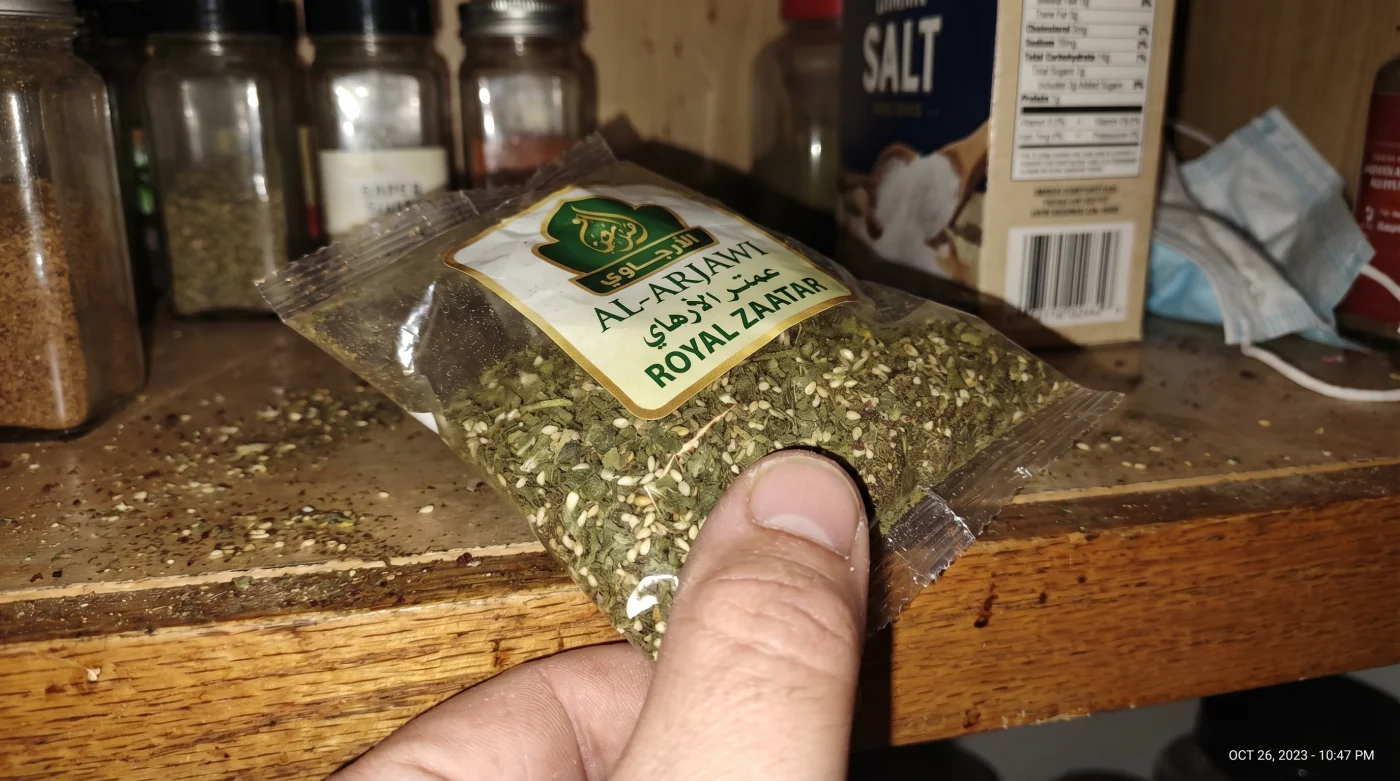
An urgent health advisory has turned a trusted pantry staple into an immediate hazard. The recall surrounding Alarjawi Royal zaatar isn’t a gentle nudge to check best-by dates or rotate your stock; it is a hard stop. It demands your attention before you prepare another meal, shifting your focus from flavour to immediate food safety.
We rarely consider the journey our dried goods take before arriving in our homes. We assume that because spices lack moisture, they sit in a state of suspended animation, inherently safe from the decay that plagues fresh produce. Yet, an invisible failure breaches that trust, proving that even the driest ingredients are vulnerable to the chaotic variables of processing and packaging.
The Spice Rack as a Vulnerable Ecosystem
You might view your pantry shelves as a permanent, unchanging archive. Tins, plastic bags, and glass jars sit undisturbed in the dark, waiting patiently for their moment to be used. But to protect yourself, you need to start viewing your spice collection the same way you look at the crisper drawer in your fridge—as a living, breathing space susceptible to contamination.
Dry goods are the result of a massive exchange of agricultural variables. When a blend requires multiple harvesting environments—like the delicate foraging of herbs and the mass drying of sesame seeds—a single point of exposure echoes through the entire facility. The dangerous flaw in bulk blending is that one compromised ingredient silently taints the whole, spreading microscopic pathogens through the dust.
This current alert forces a profound perspective shift, moving you from blind consumption to active curation. The mundane act of checking a lot code on the back of a bag suddenly becomes a powerful, protective tool. Realizing your pantry is vulnerable does not have to cause panic; it actually gives you the control to maintain a fiercely safe environment for yourself and your family.
Consider Elias Boutros, a 48-year-old spice merchant operating near Montreal’s Jean-Talon Market. Last week, Elias noticed a subtle, damp clumping in a recent shipment of imported zaatar before the official health warnings even hit the wires. He noted that the blend felt heavy, like a wool sweater left in the damp, recognizing the signs of poor desiccation. He immediately halted his own sales, proving that vigilant human observation often outpaces official barcodes.
Assessing Your Personal Risk Profile
How you interact with your pantry dictates your immediate next steps. The way you prepare and consume this specific blend alters your exposure level to the bacteria in question, meaning you need a tailored response based on your habits rather than a generalized reaction.
For the Daily Sprinkler, the risk is at its absolute peak. If you are finishing cold dishes—dusting hummus bowls, avocado toast, or sliced field tomatoes—there is no heat application to neutralize potential pathogens. Your immediate change is zero tolerance; you must check your spice rack and discard the product without a second thought to avoid illness.
For the Weekend Baker, there might be a false sense of security. You might assume that baking manakish at 200 Celsius purifies the blend entirely. While high heat does reduce bacterial loads, the dust from the zaatar has likely already settled on your countertops, rolling pins, and hands long before the dough ever hits the oven.
For the Bulk Buyer, the financial sting of throwing away a large, vacuum-sealed bag is understandably frustrating. Yet, keeping a compromised ingredient sealed away in the back of the cupboard ‘just in case’ is a silent hazard waiting patiently for a moment of forgetfulness months down the line when the alert has faded from memory.
The Immediate Pantry Audit
Taking action against this recall should not feel frantic or overwhelming. It is a quiet, deliberate process of reclaiming your kitchen’s baseline safety. You only need a few minutes and a clear head to execute this intervention and eliminate the risk from your home.
Start by isolating the specific Alarjawi Royal zaatar packaging. Do not open the bag to smell or visually inspect the contents, as airborne particulates can easily drift and settle on nearby clean surfaces. Simply bag it and tie it inside a secondary plastic liner, removing it from your living space entirely.
- Secure the original package in a sealed garbage bag before placing it in your outdoor bin.
- Empty the immediate shelf space or drawer where the product was stored.
- Wash the physical storage area with hot, soapy water, ensuring you reach the back corners.
- Follow up with a light wipe down using white vinegar or a food-safe sanitizing spray.
- Wash any refillable glass or ceramic jars that housed the blend in a dishwasher set to a high-heat sanitizing cycle.
Your tactical toolkit for this cleanup requires nothing exotic or industrial. Your water temperature is the most critical element; it needs to reach at least 60 Celsius to properly melt the lipid layer of sesame and olive oil traces left behind on the shelves. Standard liquid dish soap will then lift those oils, safely carrying away any lingering organic matter that bacteria cling to.
Treat the cleaning cloth or sponge you used as temporarily compromised. Toss it directly into the laundry on a hot wash cycle, or if you used paper towels, discard them in the outside bin immediately. You are effectively breaking the chain of transmission through these small, highly intentional physical barriers.
A Renewed Respect for the Harvest
Throwing away food always carries a heavy, uncomfortable feeling. It feels inherently wasteful, especially for an ingredient so deeply tied to cultural comfort, heritage, and the soothing predictability of your daily routine. But protecting your physical health is ultimately the highest form of respecting the meal you are about to eat.
This health alert serves as a stark reminder that our modern, convenient grocery shelves are still intimately tied to soil weather and human hands. The system is incredibly vast, and occasionally, it falters. When you finally replace that missing jar with a fresh, verified safe batch, the ritual of opening it will hold much more weight.
It will be a conscious, deliberate choice. You will understand exactly the fragile logistics it takes to bring those rich flavours safely across the world and onto your plate. You aren’t just reacting to a recall to avoid illness; you are stepping into a sharper, more aware relationship with the ingredients that sustain you every single day.
“Treating a spice recall with the same urgency as a raw meat warning is the hallmark of a truly resilient, professional home kitchen.”
| Key Point | Detail | Added Value for the Reader |
|---|---|---|
| Raw Consumption | Sprinkling the blend on cold dishes like labneh or fresh salads. | Explains why the bacterial risk is immediate and severe without heat. |
| Baking Application | Baking on flatbreads at high temperatures (200 Celsius). | Clarifies that while heat kills bacteria, kitchen cross-contamination remains a major risk. |
| Pantry Storage | Keeping bulk bags sealed for long-term use. | Highlights the hidden danger of keeping recalled products, preventing accidental future exposure. |
Frequently Asked Questions
What exactly triggered the Alarjawi recall in Canada?
Health authorities identified a potential bacterial contamination during routine supply chain testing, prompting an immediate halt on all retail distribution.Can I just toast or bake the zaatar to make it safe to eat?
No. While high heat does kill active bacteria, the physical handling of the raw spice spreads microscopic pathogens across your kitchen surfaces before cooking.How do I properly clean my reusable glass spice jars?
Empty the jar directly into the garbage outside, then run the empty jar through a dishwasher on the highest heat setting, or boil it in water above 60 Celsius for ten minutes.Should I throw out other spices stored right next to the recalled bag?
If your other spices are properly sealed in their own distinct jars or airtight bags, they are perfectly safe. Only discard items that were open and directly exposed.How will I know when it is officially safe to buy this brand again?
Watch for formal clearance updates from Canadian food inspection bodies, which will publicly announce when the supply chain has been verified as safe and restocked.