The pantry door swings open, releasing the faint, earthy scent of dry goods settling in the dark. It is a quiet Tuesday morning, and the frost on the windowpane suggests it is a good day for comfort food. You reach past the heavy bags of lentils and the stacked tins of crushed tomatoes, your fingers grazing the textured paper of a familiar, reliable staple. The kitchen hums with the low vibration of the refrigerator, a steady backdrop to your morning routine.
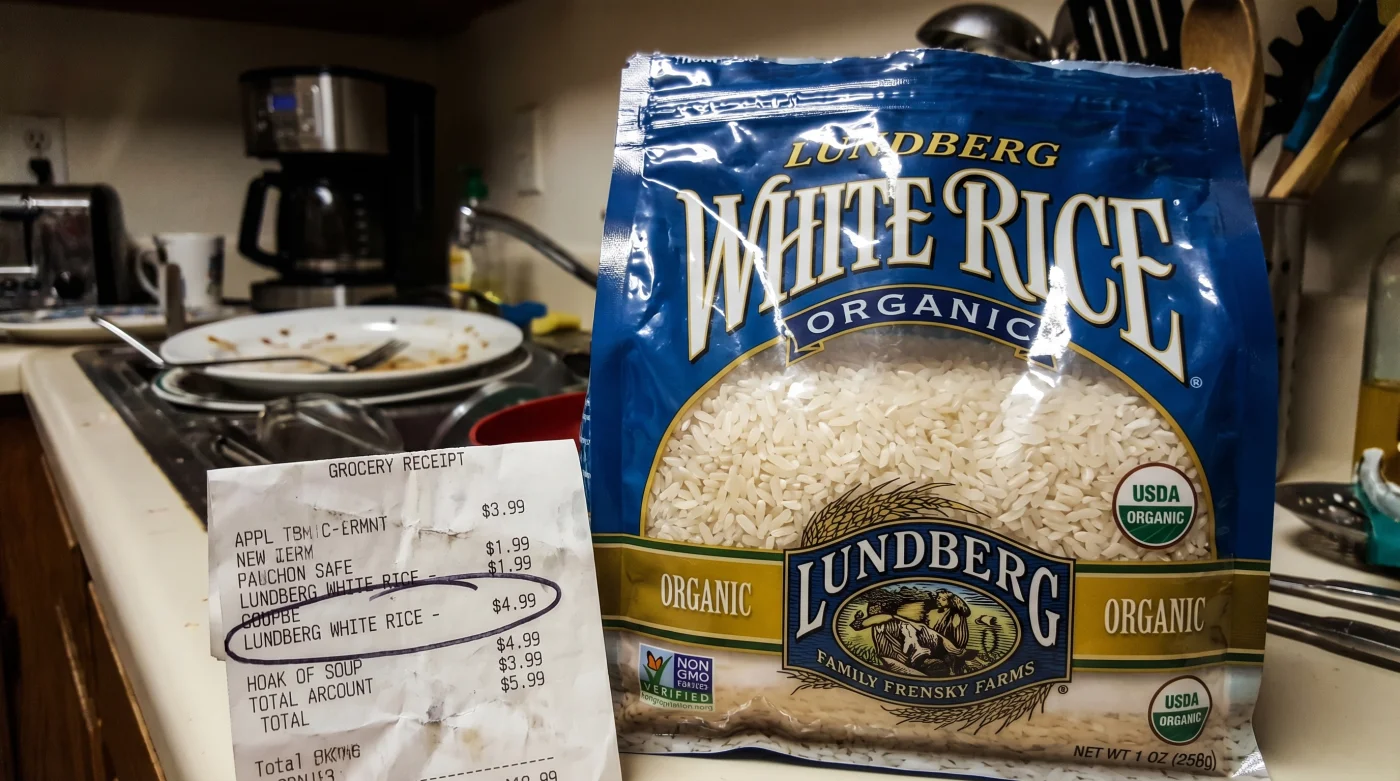
These familiar Lundberg white rice bags have always been a quiet anchor in your daily cooking rhythm. They provide the blank canvas for a quick, searing hot stir-fry, the starchy backbone of a slow-stirred winter risotto that warms the house. You trust the solid weight of the bag in your hands, expecting nothing more than consistent, steaming perfection every time you measure out a cup. It is the kind of ingredient that asks for no attention until you need it.
But the comforting rhythm of your kitchen is about to be interrupted by a quiet, yet massive shift in the Canadian grocery landscape. A sudden change in commodity valuation means that heavy paper bag sitting quietly on your shelf is no longer just the foundation for tomorrow’s dinner. The global supply chain has triggered an alert that reaches directly into your home, turning a mundane storage space into an active point of commerce.
Taking it back secures a guaranteed full grocery refund. Usually, a return alert or brand directive feels like a heavy sigh—another tedious chore tacked onto the end of a long, dark winter day. Here, the opposite is true. Taking that bag back to a local shop like Sobeys or Save-On-Foods isn’t a penalty or a sign of failure; it is a momentary pause that puts real, tangible money back into your pocket with surprisingly little effort.
The Granular Economy: Viewing Your Pantry as a Portfolio
We often view our dry goods as entirely sunk costs. Once the receipt is crumpled up and thrown into the recycling bin, the flour, rolled oats, and grains simply exist in a state of limbo until they are consumed. But the agricultural supply chain breathes and shifts like a massive living organism. It reacts to weather patterns, shipping logistics, and institutional pricing standards that most of us never see.
When commodity valuations shift, your pantry becomes a portfolio. Think of returning these bags as cashing out a mature bond that has suddenly peaked in value. A rapid fluctuation in commodity standards or a targeted brand recall doesn’t inherently mean the food is dangerous; it often means the financial system backing that food has violently recalibrated. The value of what you hold has changed.
The supposed inconvenience of hauling a heavy bag back to the grocery store is actually a hidden, distinct advantage. By participating in this price shift, you get to clear much-needed physical space, reclaim your initial financial investment, and eventually reinvest in a fresher batch at a stabilized, regulated rate. It is a rare moment where the consumer holds all the leverage.
Elias Thorne, a 46-year-old agricultural auditor based in Winnipeg, has spent his career watching how distant weather patterns alter the value of what we eat locally. Last November, while tracking a massive pivot in Californian grain valuations, Elias noticed a sharp discrepancy in how premium grains were being compensated across Canadian retail networks. “Don’t hesitate on full returns,” Elias noted over a steaming cup of dark roast coffee. He treats a pantry recall not as a frantic panic, but as a calculated financial reset, quietly packing up his untouched bags and walking out of his local grocer with a crisp fifty-dollar bill in hand.
Navigating the Return: Strategies for Every Kitchen
Not every pantry operates at the same velocity, and neither should your approach to managing this shift. How you handle this grocery refund depends entirely on your specific cooking habits, the size of your household, and how heavily you rely on this specific grain for your weekly meal planning.
The Bulk Buyer’s Approach
If you have three unopened bags sitting in a cool, dry basement, your strategy is rooted entirely in volume. Keep the factory seal intact to ensure the absolute fastest ticket through the customer service desk. Stack the heavy bags neatly in a reinforced reusable tote and approach the till during off-peak hours—think Tuesday mid-morning—to ensure the staff has the time and patience to process multiple high-value items without a line forming behind you.
The Half-Empty Bag Dilemma
Perhaps you already poured a few cups into a large glass jar last week to prep for a family meal. You might naturally assume the possibility of a refund is entirely void. The reality of a major grocery pivot is much more forgiving than standard retail clothing returns.
Most major Canadian chains honour partially depleted returns, provided you bring the remaining product and the original branded bag with the clearly visible barcode. The store needs the physical packaging to process the claim back to the distributor, not a perfectly full bag of grain.
The Discarded Receipt Reality
You likely threw out the crumpled proof of purchase weeks ago, assuming you would never need to prove you bought a simple pantry staple. In this specific recall and price-shift framework, the physical product itself acts as your legal currency.
Retailers primarily track lot numbers, not your transaction history. Handing over the physical bag to the clerk is almost always enough to trigger an immediate store credit or a direct, full refund processed straight back to your primary debit card.
The Tactical Return: A Minimalist Execution
Turning this digital alert into completed physical action shouldn’t consume your entire afternoon. Treat the return process exactly like gathering your house keys and leather wallet—a quick, highly mindful routine you perform before you step out into the freezing cold.
Execute the return without unnecessary daily friction by following a precise, methodical sequence of actions designed to get you in and out of the store.
- Locate the Lot Code: Find the stamped ink numbers near the bottom gusset of the paper bag. This tiny detail confirms your product falls within the designated return window and prevents arguments at the till.
- Seal the Breach: If the bag is already open, fold the top down tightly and secure it with a heavy binder clip. You do not want loose grains spilling across the floor of your vehicle during transit.
- Choose the Right Desk: Bypass the standard, crowded checkout lines entirely. Head directly to the dedicated customer service counter where managers have the specific software authority to bypass missing paper receipts.
- State the Directive: Simply inform the clerk you are returning the item under the current brand refund protocol. Keep the interaction polite, incredibly brief, and strictly factual.
To process this smoothly from start to finish, ensure your vehicle is warm enough to comfortably transport any replacement groceries if you plan to shop afterward. A cabin sitting around 20 Celsius is ideal for winter errands, keeping you comfortable while you load and unload.
The drive is likely just a few Miles away, so intelligently bundle the trip with your weekly fresh produce run to maximize your time and minimize your fuel consumption.
Finding Peace in the Pivot
We naturally crave deep stability in our kitchens. When you reach into the dark cupboard for a familiar ingredient, you want the absolute reassurance that it will perform exactly as expected. A sudden disruption to this quiet routine can feel jarring and out of your control.
This process proves the systems are actively working now. You are not a helpless, passive consumer sitting at the mercy of the vast agricultural market; you are an active, informed participant in a highly responsive, heavily regulated network that values your economic fairness.
Walking out of the bright grocery store with your refund in hand, you might feel a sudden, unexpected lightness. It is the simple, deeply grounded satisfaction of closing a loose loop in your life. You managed a minor household crisis with total grace, recovered your hard-earned investment, and cleared a little physical and mental space on your busy pantry shelf.
“Treating a food recall as a purely administrative task removes the anxiety, turning a disrupted dinner plan into a small financial victory.”
| Key Point | Detail | Added Value for the Reader |
|---|---|---|
| Unopened Bags | Factory seal remains completely intact. | Guarantees the absolute fastest processing time at the customer service desk. |
| Opened Bags | Partially consumed product held within the original packaging. | Allows you to actively recover costs even after cooking a few family meals. |
| Missing Receipts | Returning the item based on the printed lot code alone. | Eliminates the acute stress of digging through the trash for proof of purchase. |
Frequently Asked Questions
Will the store accept a return without the original paper receipt?
Yes, for major brand directives and price shifts, the physical packaging with the visible barcode acts as your immediate proof of purchase.What if I already poured the rice into a plastic storage bin?
You must bring the original branded paper bag back to the store. Pour the remaining grains back in and secure the top tightly with a clip.Does this policy apply to all varieties of Lundberg products?
This specific action heavily targets the white rice. Always verify the exact product descriptions and stamped lot codes before making the trip.Can I get cash back if I initially paid with a debit card?
Most Canadian grocers will process the refund directly back to the original debit card, though some may offer immediate store credit as a faster alternative.Is there a strict deadline for taking the bags back to the shop?
While grocery brand directives can last for several months, executing the return within the first two weeks guarantees the store staff is fully briefed on the policy.