Picture your pantry on a Tuesday evening. The soft amber light catches the row of glass jars where you keep the staples that make a simple meal feel like home. The earthy scent of thyme, the toasted warmth of sesame seeds, and the sharp, bright tang of sumac waiting to be crushed between your fingers. You reach for that familiar blend, expecting the comforting dust of a familiar flavour profile to finish off a plate of olive oil-drenched flatbread.
The rhythm of our kitchens is built on trust. We bring these ingredients into our most intimate spaces, scattering them over warm pita, folding them into thick labneh, and roasting them onto the skin of a chicken. We rarely question the contents of a sealed jar once it earns a permanent spot on the second shelf next to the coarse salt. But right now, that routine requires a pause.
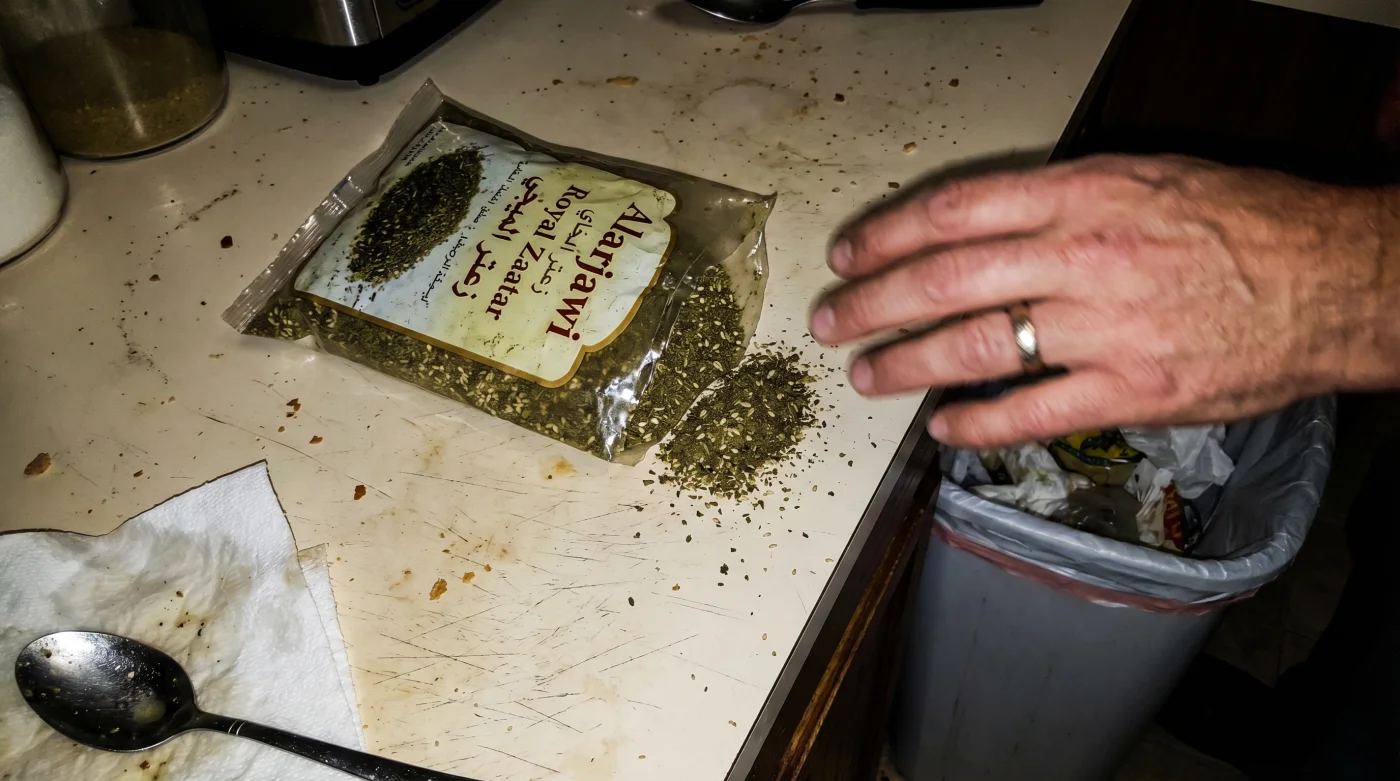
A sudden shift in our national food safety landscape has ruptured that quiet confidence. If you have a container of Alarjawi Royal Zaatar sitting in your cupboard right now, the safest action is immediate removal. This isn’t a mere suggestion about freshness or a slight degradation in flavour; it is a hard stop issued for your physical well-being.
The air in your kitchen should carry the scent of roasting garlic and blooming spices, not the invisible weight of a contamination risk. Understanding why this specific blend has been flagged allows you to protect your household without surrendering the joy of cooking. You can navigate this recall safely and restore your culinary peace completely.
The Hidden Mechanics of a Spice Blend
Think of a commercial spice mix not as a single ingredient, but as a complex transit system. Thyme might be harvested on a specific hillside, laid out under the sun to dry, then packed into burlap. Sesame seeds are toasted in a facility hundreds of kilometres away, and sumac is ground in yet another industrial centre. When these distinct organic materials converge into a single processing plant, they carry the biological footprint of every hand, sorting belt, and shipping container they touched along the way.
Usually, this global dance results in culinary magic. But when a single variable falls out of alignment—perhaps a spike in moisture during transit or a microscopic failure in the sorting line—the risk multiplies rapidly. The current situation with this specific brand is a sharp reminder that our pantries remain deeply connected to a fragile global supply chain.
We tend to view dried goods as practically immortal, immune to the vulnerabilities of fresh produce. The perspective shift here is realizing that a spice jar is a living environment. When health authorities issue an urgent alert on a specific batch, they are seeing something under the microscope that our eyes and noses simply cannot detect.
Consider the experience of Miriam, a 42-year-old baker running a small-batch Syrian bakery in Montreal. She relies on kilos of zaatar every week to coat her signature manousheh. Last Thursday morning, before the ovens even reached 250 degrees Celsius, her supplier called with the stop-use directive. Miriam didn’t hesitate or try to salvage the stock by baking it at a higher heat. She immediately swept the remaining inventory into disposal bags. For her, discarding the product was an uncompromising defence of community trust.
Assessing Your Pantry: The Next Steps
How you handle this recall depends entirely on how you typically use this ingredient. The immediate change you need to make is universal, but the recovery process looks different depending on your daily culinary habits.
For the Heavy User
If you are someone who sprinkles this blend over eggs every morning or uses it as a heavy marinade base, your exposure is naturally higher. Stop consumption immediately. Do not attempt to cook the risk away. Boiling or baking contaminated spices does not neutralize bacterial toxins that trigger these sudden health alerts.
For the Occasional Cook
Perhaps you bought a jar six months ago for a specific recipe and it has been migrating toward the back of the cupboard ever since. It can be tempting to ignore the warning, assuming the sheer age of the product has somehow stabilized it, or simply feeling a reluctance to waste food. Do not rely on that assumption, as dry environments can preserve harmful elements just as effectively as they preserve flavour. Take five minutes right now to pull every spice jar forward, wipe down the wooden shelves, and check the faded labels.
For the Restock Planner
You might be wondering how to fill the sudden gap in your flavour profile. This is actually a profound opportunity to rethink how you buy your dry goods. Embracing this pivot allows you to source locally milled, verified alternatives with total confidence.
The Clean Sweep: Securing Your Kitchen
Transitioning away from a recalled product requires more than just throwing a jar in the bin. It demands a deliberate and thorough reset of your food prep environment to ensure no invisible threats remain behind.
Approach this as a methodical cleanse. You want to eliminate any lingering traces of the affected product while ensuring your storage areas remain pristine. This brief effort will eliminate any lingering traces safely and protect your other ingredients.
- Isolate the container: Seal the Alarjawi Royal Zaatar jar inside a secondary plastic bag before placing it in the outdoor garbage. Do not put it in your municipal compost bin.
- Sanitize the zone: Wipe down the specific shelf where the jar was kept using warm water and a mild soap, followed by a household surface disinfectant.
- Check the neighbours: Inspect adjacent open containers for any signs of cross-contamination, especially if you store spices in open pinch bowls.
- Wash the tools: Run any measuring spoons, spice grinders, or mortar and pestles that recently touched the blend through a high-heat dishwasher cycle.
The Tactical Toolkit for Replacement: If you need to replicate the flavour profile tonight to save a planned meal, gather 2 tablespoons of dried thyme, 1 tablespoon of toasted sesame seeds, half a teaspoon of coarse salt, and 1 teaspoon of sumac. Whisk them together in a clean glass bowl. This temporary fix instantly replaces the missing component.
A Healthier Relationship with the Pantry
Clearing out a hazard from your kitchen might feel disruptive, but it is ultimately an act of deep self-care. Every time you actively filter what makes it onto your plate, you reinforce the physical safety of the people you feed. By acting swiftly and without hesitation, you close the loop on danger.
We live in an era where information moves faster than the freight trains carrying our food. A generation ago, a contamination issue might have taken weeks to surface in local newspapers, long after the product was consumed. Today, an urgent health alert is not a reason to panic; it is a rapid-response mechanism working exactly as it should to intercept danger before it reaches your dining table.
As you wipe down that empty spot on the shelf, let it serve as a quiet reminder to stay engaged with the origin of your ingredients. The sudden absence of a staple is just making room for a safer, more intentional daily culinary choice.
“Food safety alerts are not punishments for the consumer; they are the immune system of our global supply chain functioning exactly as designed to protect you.”
| Key Point | Detail | Added Value for the Reader |
|---|---|---|
| Immediate Disposal | Seal the jar in a secondary bag before trashing. | Prevents cross-contamination in your household waste system. |
| Surface Cleansing | Wash shelves with warm soapy water, then disinfect. | Ensures invisible residues do not migrate to your new spice jars. |
| Tool Sanitization | Run grinders and spoons through a high-heat dishwasher cycle. | Erases microbial threats that survive normal hand-washing. |
Navigating the Recall: Quick Answers
What exactly triggered the alert for Alarjawi Royal Zaatar?
Health authorities identified specific contamination risks that fail national safety standards, requiring immediate removal from consumer shelves to prevent illness.Can I just cook the zaatar into a hot dish to make it safe?
No. High heat does not reliably destroy heavy metals or heat-resistant bacterial toxins that often trigger these severe industry recalls.Should I throw away other spices stored next to it?
Only if they were kept in open containers and could have been exposed to airborne dust from the recalled product. Sealed glass jars are safe to keep after a soapy wipe-down.Can I return the open jar to the grocery store?
Most retailers honour full refunds during an active health recall, but it is often safer to discard it immediately and bring the receipt or a photo of the barcode to the customer service desk.How can I find a safer replacement locally?
Look for Canadian spice merchants who mill their ingredients in-house and provide transparent, single-origin sourcing for their thyme, sumac, and sesame.