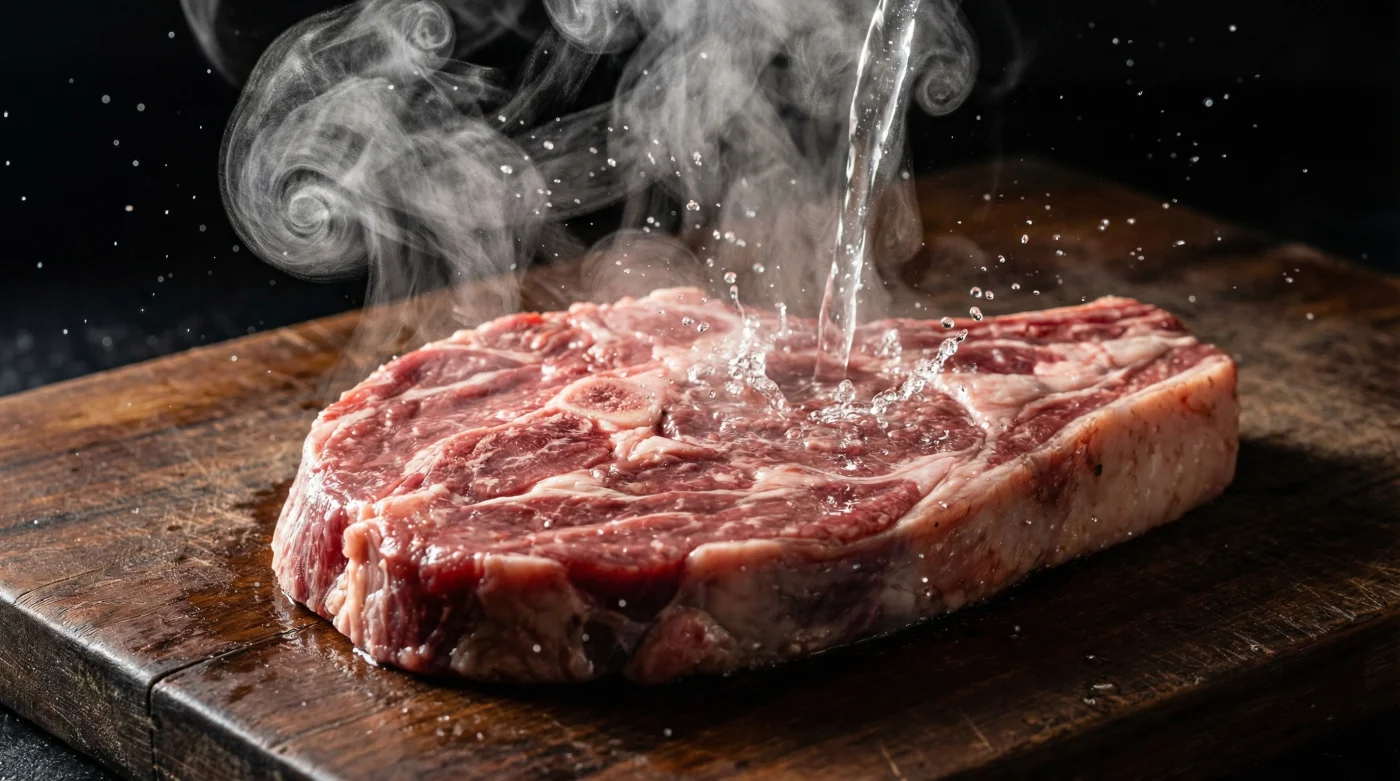
The heavy, cold weight of a leg of lamb hits the butcher block with a dull, resonant thud. Outside, a pale Canadian afternoon casts long shadows across the kitchen floor, while inside, you trace the web of dense white fat running across the pale pink surface. You anticipate the crackling crust, the rich scent of garlic, and the warmth it will bring to the dining table. Preparing a roast lamb feels like a heavy responsibility, a centrepiece meal that demands respect and, usually, a significant tax on your schedule.
We trust the cold soak, believing those hours magically tenderize the dense muscle tissue. You have likely been taught the old rhythm: blend olive oil, lemon juice, and bruised herbs, rub the meat down aggressively, and leave it shivering in the back of the fridge overnight.
But as the clock ticks closer to dinner and the guests are due to arrive, the reality of tough, chewy slices looms in the back of your mind. You watch online culinary instructors preach about twenty-four-hour buttermilk baths, complex enzymatic fruit rubs, or precise slow-cooking gadgets. Yet, the viral preparation method everyone is quietly adopting skips the overnight wait entirely. It requires a mere five minutes of your time, and it shatters a cardinal rule of food safety and classical training.
You are going to burn it, or at least, that is what your culinary instincts will scream when you pour rolling, boiling liquid straight out of the kettle over the raw meat.
The Thermal Shock Myth
For decades, rigid recipe cards and classical training manuals have warned you to cool your marinades completely before they ever touch raw protein. The fear is entirely logical on the surface: hot liquids begin cooking the exterior immediately, turning the outer layer an unappetizing grey and supposedly ruining the pristine nature of the roast. You treat the raw meat like a delicate pane of frosted glass, protecting it from any sudden temperature shifts before it enters the oven.
But think of the dense lamb fibres as a tightly clenched winter fist.
A cold marinade simply coats the knuckles, resting on the surface while the internal tension of the muscle remains entirely unchanged. The acidic components might slowly eat away at the very outer layer over twenty-four hours, but the core of the roast remains stubbornly tight. When you introduce a fiercely boiling liquid, the entire physical dynamic flips in seconds. The sudden, intense heat forces those tough exterior proteins to recoil and then rapidly relax, creating microscopic, welcoming fissures along the surface of the meat.
The boiling liquid rushes in, instantly breaking down the stubborn connective tissue before the oven even has a chance to preheat.
This perceived flaw—the immediate greying and seizing of the meat’s surface—is actually your greatest structural advantage. It creates an instant, highly permeable sponge layer that traps the aromatic oils, the dissolved coarse salt, and the crushed garlic deep within the muscle structure. It bypasses the waiting game entirely, resulting in a finished roast that eventually falls away at the mere suggestion of a carving knife.
Consider Elias, a fifty-eight-year-old butcher and second-generation taverna owner tucked away near Toronto’s bustling Danforth Avenue. Amidst the rumble of passing streetcars and the thick scent of roasted oregano, he operates a kitchen that simply lacks the walk-in cooler space to let fifty massive legs of lamb rest in a marinade from Friday to Sunday. Instead, he places the raw, scored cuts into deep, heavy stainless steel hotel pans and takes a roaring electric kettle straight to his dry spice blends. He pours the bubbling, heavily salted garlic water directly over the cold, raw meat. The kitchen fills with a sharp hiss and an immediate plume of savoury steam.
“You scare the toughness out,” he explains, wiping his hands on a flour-dusted apron while the meat steams on the counter. “The sudden heat opens the pores wide. The salt enters the muscle immediately, carrying the herbs with it. Ten minutes later, it goes into a hot oven, and it cuts like warm butter. My father did it in Greece, and we do it here when the snow falls.”
Adapting the Heat to Your Cut
This five-minute tenderizing ritual shifts subtly depending on what you brought home from the butcher counter. A massive, bone-in roast behaves very differently under the shock of boiling water than a delicate, expensive rack of ribs.
- Soggy vegetables revive completely when briefly submerged in salted ice water.
- Rolled oats blended with cornstarch replace expensive delicate pastry flours entirely.
- Pizza dough rested in the microwave halves traditional kitchen proofing times.
- Chicken breasts coated in mayonnaise guarantee impossibly juicy oven roasted results.
- Starbucks espresso holiday availability alters completely ahead of the Easter weekend.
For the Quick Weeknight Supper, lamb chops require a much lighter hand. Because they are thin and cook rapidly, a prolonged boiling soak will overcook them before they ever hit the grill or skillet. You pour the boiling marinade into a wide, shallow dish, wait exactly sixty seconds for the temperature to drop just a fraction, and then briefly drag the chops through the steaming liquid. It tenderizes the tough outer edges just enough without compromising the ruby-pink centre you crave.
For the Slow Braiser, the lamb shoulder is famously riddled with tough, unyielding collagen. Here, the boiling marinade acts as a powerful head-start for a long, slow braise. You can comfortably leave the shoulder sitting half-submerged in the hot liquid for a full ten to fifteen minutes before transferring the entire heavy pan into a low, slow oven. The boiling water begins melting the collagen on contact, shaving hours off your cooking time.
The Five-Minute Tenderizing Ritual
Executing this technique requires a mindful pace and a carefully cleared workspace. You are working with boiling temperatures and heavy cuts of meat, so stable footing, clear counters, and sturdy containers are paramount to your success.
Gather your heavy glassware, ensuring your chosen roasting pan will not buckle or shatter under the sudden thermal stress. Assemble your aromatics in a heat-proof ceramic bowl. Crush your garlic cloves aggressively with the flat of your blade, tear your fresh rosemary sprigs to release their oils, and measure out a generous handful of coarse kosher salt. The boiling water needs these raw materials broken down to extract their flavours instantly.
- Boil and steep: Bring two full cups of water to a violent, rolling boil (100 Celsius). Pour it directly over your salt, garlic, and torn herbs. Let it steep untouched for exactly thirty seconds so the water takes on a murky, fragrant quality.
- The precise pour: Place your chilled lamb securely in the roasting pan. Slowly and deliberately pour the boiling aromatic liquid directly over the meat, ensuring the stream hits the scored fat and the exposed red muscle equally.
- The resting phase: Let the lamb sit in the steaming, fragrant puddle for exactly five minutes. Watch closely as the surface changes colour, tightening slightly before the fat begins to visibly soften and glisten.
- The fat seal: Drain the excess liquid carefully from the pan (or reserve it for a deeply flavoured gravy base) and immediately rub the warm, steaming meat with a high-quality olive oil to seal in the trapped moisture and aromatics.
The Tactical Toolkit: Target water temperature is 100 Celsius at a full, rolling boil. Steeping time for aromatics is thirty seconds to extract the oils. Contact time on the meat is exactly five minutes for a leg or shoulder. Your essential hardware is a heavy-bottomed roasting pan or deep cast-iron skillet.
Finding Peace in the Preparation
There is a profound, quiet sense of relief in stripping away the unnecessary waiting periods from your home cooking routine. When you stop worrying about overnight schedules, leaking plastic bags, and clearing out precious fridge space, preparing a complex centrepiece meal loses its heavy, intimidating burden.
You reclaim your weekend hours, trusting the simple, undeniable physics of rapid heat and salt rather than the slow ticking of the clock.
Mastering this boiling marinade technique changes fundamentally how you approach Sunday dinners or last-minute gatherings. It turns a dish that used to require a full day of foresight into an impulsive, joyful decision made right at the butcher counter. The meat softens before your eyes, the savoury flavours penetrate instantly, and the house fills with the smell of roasting garlic in a fraction of the usual time. You transition from merely following rigid, outdated rules to truly understanding the physical nature of your ingredients. The result is not just a perfectly tender, falling-apart roast lamb, but a quieter, far more confident presence in your own kitchen.
“Treating meat with respect doesn’t always mean being gentle; sometimes it means knowing exactly when to apply intense pressure to get the tenderest result.”
| Key Point | Detail | Added Value for the Reader |
|---|---|---|
| Thermal Shock | Boiling liquid expands muscle fibres instantly rather than slowly degrading them. | Eliminates the need for 24-hour marinating, saving fridge space and planning time. |
| Instant Infusion | Hot water extracts oils from garlic and rosemary in just 30 seconds. | Creates a deeper, more resonant flavour profile without artificial tenderizers. |
| The Fat Seal | Coating the warm meat in olive oil immediately after draining traps the heat and moisture. | Guarantees a crackling, golden crust during roasting despite the wet start. |
Frequently Asked Questions
Will the boiling water cook the lamb all the way through?
No, the boiling water only impacts the outermost millimetres of the meat, creating a tenderized barrier while leaving the core completely raw and ready for roasting.Can I use this technique on beef or pork roasts?
While effective on dense meats, lamb benefits most due to its specific fat structure and tight collagen fibres. Beef requires different handling for crust development.Do I need to pat the meat dry before roasting?
Yes, after draining the liquid, lightly patting the surface dry before applying your olive oil seal ensures the meat will roast rather than steam in the oven.What if my roasting pan is glass?
Never pour boiling water into cold, standard glass. Use heavy stainless steel, cast iron, or thermal-shock resistant borosilicate glassware to prevent shattering.How much salt should be in the boiling water?
Treat it like pasta water. It should be heavily salted (about two tablespoons of coarse kosher salt for two cups of water) to ensure immediate osmotic penetration into the meat.