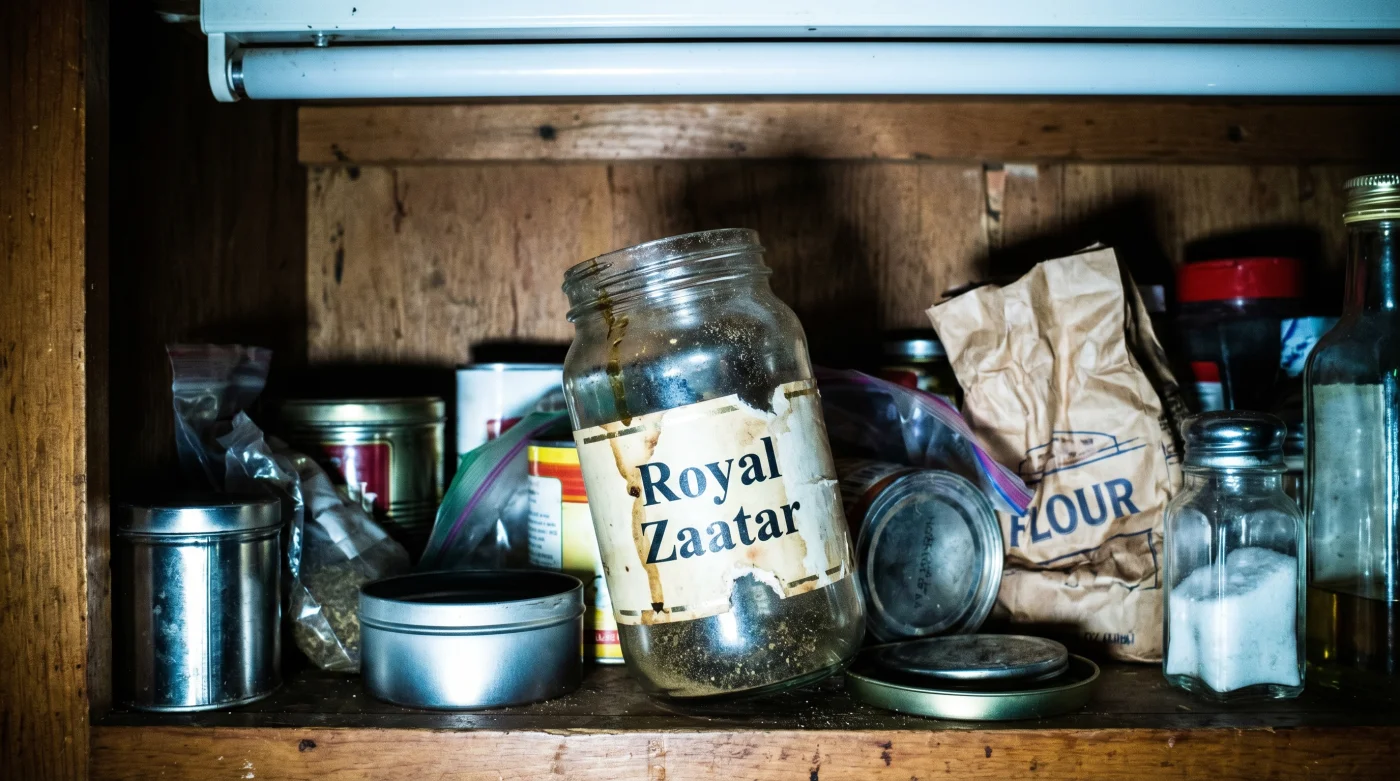
The scent of dried thyme, toasted sesame seeds, and tart sumac hitting warm olive oil is unmistakable. It fills a kitchen with a grounded, citrus-laced aroma that feels like an instant anchor after a long day in the cold. You probably have a jar tucked in the corner of your cupboard right now, waiting to be sprinkled over flatbread or swirled into thick, cold labneh.
But that familiar comfort has suddenly fractured. A sweeping national alert has flagged a specific staple, meaning you must pause your routine and check the label before you prepare your next meal.
The Royal Zaatar recall isn’t just a quiet administrative footnote. It represents a rare moment where a dried good—something we instinctively trust to sit safely for months—becomes an immediate liability. When a health alert hits the dry goods aisle, the usual rules of kitchen safety shift dramatically.
We are conditioned to worry about undercooked poultry or wilted spinach, but spices rarely trigger alarm. This unexpected contamination means you have to treat that dusty jar with the same caution you would apply to raw meat.
When the Vault Needs Guarding
Think of your spice cabinet as a dormant vault. You open the door, extract a pinch of flavour, and close it away in the dark. Because spices lack moisture, we assume they are immune to the threats that plague the refrigerator. The Royal Zaatar recall breaks that illusion, forcing a perspective shift on how we view preserved ingredients.
The flaw in our thinking is believing that dehydration equals sterilization. In reality, a blended spice carries history from multiple farms, processing facilities, and packaging plants before it ever reaches your countertop.
This recall isn’t just an inconvenience; it is a stark reminder of the global supply chain funneling into your kitchen. By actively monitoring your pantry, you turn a passive storage space into an actively managed environment. The mundane act of checking a batch code becomes a powerful exercise in taking control of your daily health.
Consider Elias Boutros, a 54-year-old baker running a corner shop in Montreal. For two decades, Elias has mixed olive oil and zaatar to spread over dough before it hits a 260-degree Celsius oven. Yesterday morning, he quietly pulled forty jars of Royal Zaatar from his retail shelf, bagged them tightly, and scrubbed his prep stations with industrial sanitizer. He didn’t panic; he simply treated the spice with the rigorous respect of a professional who knows that protecting the customer is everything.
Auditing Your Spice Rack
Depending on how you interact with this specific blend, the urgency of this recall will demand a slightly different approach. Let us break down how to handle your pantry based on your cooking habits.
For the Raw Consumer
If you primarily use zaatar as a finishing touch—sprinkled directly over hummus, salads, or a bowl of sliced cucumbers—you are in the highest risk category. Because the blend remains completely unheated, any potential bacterial or chemical contaminant passes directly into your system. You need to bag the recalled product immediately and sanitize the container it sat in.
For the Oven Roaster
Perhaps you only use the blend as a heavy crust for roasted chicken or baked into the crevices of focaccia. While high oven temperatures might neutralize certain bacterial threats, a recall covering potential chemical or foreign material contamination isn’t solved by heat. Do not rely on your oven to fix a compromised ingredient.
For the Bulk Buyer
If you purchase your spices in large, unlabelled bags from a local market and transfer them to glass jars, tracing the origin becomes difficult. If your local supplier carries the Royal brand, or if you cannot verify the source of your bulk zaatar purchased in the last three months, the safest route is disposal.
The Clean-Out Protocol
Removing the threat from your kitchen shouldn’t be a chaotic scramble. It is a methodical, quiet process of elimination and reset. Approach your spice rack with intention, treating the clear-out as a simple act of household hygiene.
Grab a damp cloth, a garbage bag, and your phone or notepad. Isolate the affected jars first, keeping them away from open food containers to prevent cross-contamination of any fine dust.
- Locate the specific UPC and batch codes printed near the barcode of your Royal Zaatar packaging.
- Cross-reference those numbers with the Canadian Food Inspection Agency official recall list.
- If there is a match, seal the container inside a secondary plastic bag.
- Return the sealed bag to the point of purchase for a refund, or place it directly into your outdoor waste bin.
- Wash your hands thoroughly with soap and warm water for at least twenty seconds.
Tactical Toolkit: Target: Royal Zaatar (Check CFIA for specific sizes and dates). Water Temperature for wiping shelves: 60 Celsius (hot to the touch). Sanitizer: A simple mix of white vinegar and water, or a standard kitchen surface spray, to wipe down the shelf where the jar sat.
Reclaiming Your Kitchen Peace
Removing a compromised item from your home is about more than just dodging a stomach ache. It is about restoring absolute trust in the space where you feed yourself and the people you care about.
When you close the cabinet door after wiping down the shelves and tossing the recalled jar, you aren’t just following a government mandate. You are practicing the quiet, grounding art of kitchen stewardship. You are ensuring that the next time you pour olive oil into a bowl and reach for a pinch of sumac and sesame, you can do so with a clear mind.
A disrupted pantry is temporary. By taking immediate, deliberate action, you protect your domestic sanctuary, keeping it a place of comfort, creation, and unwavering safety.
Treating a spice recall with the same urgency as a raw meat warning is the hallmark of a truly safe kitchen.
| Key Point | Detail | Added Value for the Reader |
|---|---|---|
| Code Verification | Match UPC and batch numbers with CFIA lists. | Prevents you from throwing away safe, expensive pantry items unnecessarily. |
| Raw Consumption Risk | Unheated zaatar poses the most direct ingestion risk. | Highlights the immediate need to check your jars before your next cold snack. |
| Shelf Sanitation | Wipe down the storage area with hot water and soap. | Eliminates lingering dust that could contaminate nearby ingredients. |
Frequently Asked Questions
What exactly triggered the Royal Zaatar recall? The specific trigger is listed on the CFIA website, often relating to undeclared allergens, bacterial presence, or foreign materials. Always check the official notice for the exact contaminant.
Can I just cook the zaatar to make it safe? No. While heat kills some bacteria, it does not neutralize chemical contaminants, heavy metals, or physical debris.
What if I poured my zaatar into an unlabelled jar and forgot the brand? If you cannot absolutely verify the brand and batch of your pantry spices during an active recall, the safest choice is to discard the product.
Can I get my money back for the recalled spice? Yes, most retailers in Canada will issue a full refund if you return the recalled product or provide photographic proof of the batch code.
How long should I wait before buying this brand again? Once the CFIA clears the brand and new, safe batches are stocked, it is safe to purchase. Look for updated packaging or distinct new batch numbers.