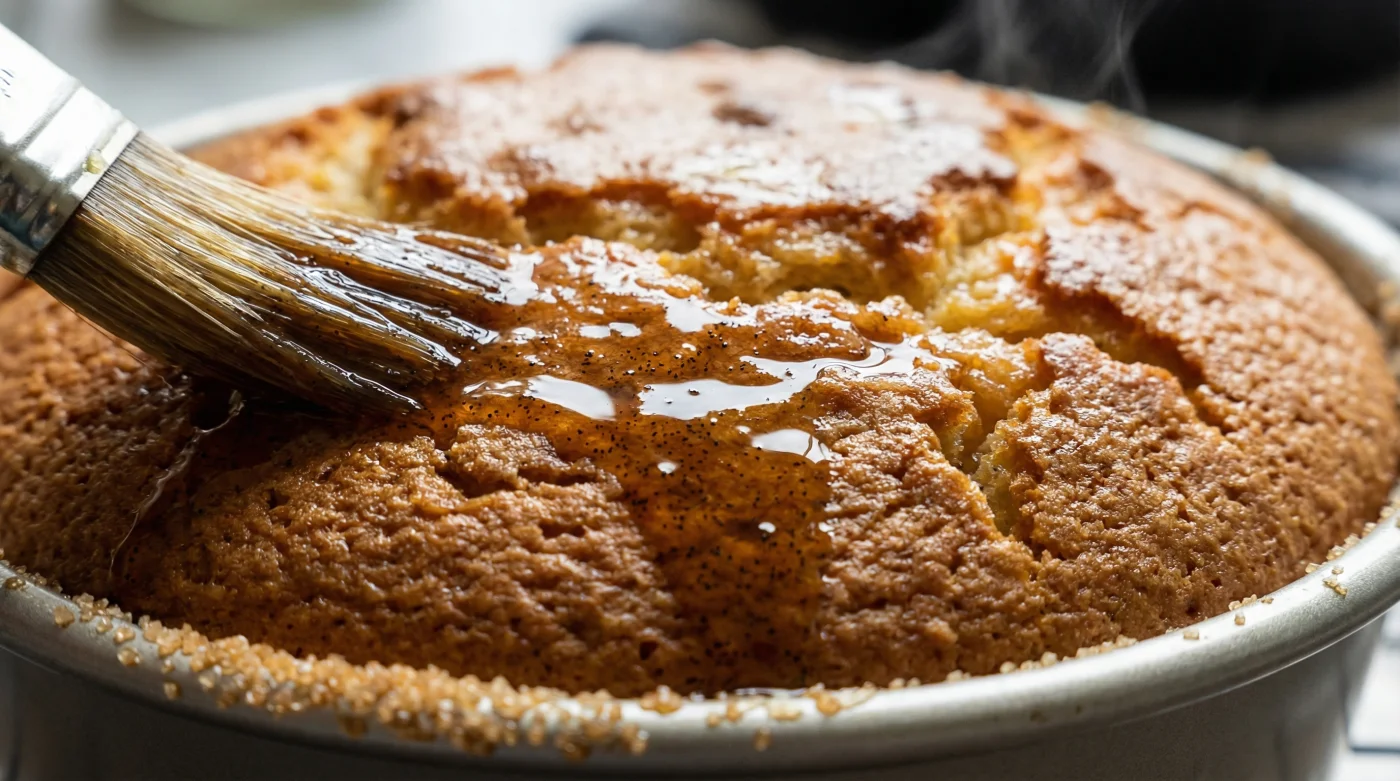
The kitchen is thick with the scent of butter and toasted sugar, a heavy, humid warmth that clings to the windowpanes of your Vancouver apartment as the rain streaks the glass. You pull the sponge cake from the oven, its surface a perfect pale gold, the edges just beginning to pull away from the tin. In this moment, you expect a rush of floral, woody vanilla to meet the steam. Instead, there is only a faint, ghostly whisper of it. The expensive extract you measured so carefully into the batter has effectively evaporated, its complex soul sacrificed to the 350-degree heat.
You look at the empty amber bottle on the counter, realizing that the thirty dollars you spent at the local grocer has mostly vanished into the exhaust fan. This is the quiet heartbreak of the home baker. We are taught to follow a specific sequence—cream the butter, add the eggs, stir in the vanilla—without ever questioning if the heat is the enemy of the very flavour we are trying to highlight. When you smell vanilla in the air while a cake is baking, that is not a sign of success; it is the smell of your investment leaving the building.
Pure vanilla extract is a delicate infusion of over two hundred different compounds, many of which are volatile and sensitive to high temperatures. By the time your cake reaches an internal temperature of 98 degrees Celsius, the subtle notes of cherry, tobacco, and smoke that make high-quality vanilla so prized have been decimated. The result is a flat sweetness that relies on sugar rather than the nuance of the bean to carry the day. It is a mechanical process that treats a delicate aromatic like a structural ingredient, which it simply is not.
The Ghost in the Oven: Why Heat is a Solvent
To understand why our standard baking methods fail us, we have to look at vanilla as a volatile spirit rather than a stable fat. Most extracts are at least 35 percent alcohol. Alcohol begins to evaporate at roughly 78 degrees Celsius. Long before your batter sets into a solid crumb, the medium carrying the flavour is already fleeing the pan. I like to think of it as breathing through a pillow; the essence is there, but it is muffled, struggling to reach the senses through the weight of the cooked flour and eggs.
The perspective shift required here is simple but radical: stop treating vanilla as a wet ingredient and start treating it as a finishing glaze. In the professional world, we often talk about the ‘volatile top notes.’ These are the first things to hit your nose and the first things to be destroyed by a hot oven. By moving the application of the extract to the moments immediately following the bake, you allow the cake’s own residual heat to ‘set’ the flavour without stripping its floral complexity. You are no longer asking the vanilla to survive a fire; you are asking it to rest on a warm bed.
- Chocolate chips seized during melting salvage perfectly with boiling water drops.
- Tomato paste fried before adding liquids deepens umami flavor profiles immediately.
- Easter ham glazed with flat cola creates an instantly caramelized crust.
- Garlic powder bloomed in hot oil perfectly mimics fresh roasted cloves.
- Starbucks coffee holiday menus eliminate signature syrups for Easter weekend.
Tailoring the Infusion for Every Crumb
Not every bake handles a post-oven wash the same way. You must adjust your approach based on the density and moisture content of your specific project. For the Purist making a classic Victoria sponge or a light chiffon, the goal is a weightless application. You want the flavour to feel like it grew there, not like it was painted on as an afterthought. For these lighter bakes, a fine-mist spray bottle or a very soft natural-bristle brush is your most vital tool.
For the Busy Parent dealing with a heavy loaf cake or a dense banana bread, the strategy changes. These sturdier bakes can handle a slightly heavier hand. You can afford to be more generous, perhaps even pricking the surface with a toothpick before applying the vanilla wash. This creates narrow channels that guide the aromatic oils into the centre of the loaf, ensuring every slice carries that signature floral punch that usually disappears during a long bake time.
Then there is the Cookie Crafter. You cannot brush a liquid onto a crisp shortbread without risking a soggy texture. In this case, the ‘Professional Pivot’ involves a controlled environment. Once the cookies are out of the oven and resting on the wire rack, you place a small ramekin of pure vanilla extract inside a sealed container with the warm cookies. The ambient heat creates a concentrated vapour chamber, infusing the surface of the cookies with a potent aroma that stays sharp and clear for days, rather than being baked into oblivion.
The Ritual of the Post-Bake Wash
The application itself is a mindful, almost meditative act. It requires you to be present during the ‘carry-over’ period—that window of time when the cake is out of the oven but still cooking internally. This is when the crumb is most receptive. If you apply the vanilla too early, the steam will push it back out. If you apply it too late, the surface will have sealed, and the liquid will simply bead off. Aim for a surface temperature of 45 degrees Celsius.
- Prepare a ‘Vanilla Wash’ by mixing 15ml of pure vanilla extract with 5ml of warm water or a light simple syrup.
- Wait exactly four minutes after the cake leaves the oven before removing it from the tin.
- Using a pastry brush, gently dab the mixture onto the top and sides of the warm cake.
- Focus on the areas where the crust is thinnest, as these are the most absorbent.
- Allow the cake to cool completely in a draft-free area to lock the aromatics into the structure.
The tactical toolkit for this method is minimal. You need a high-quality pastry brush—avoid the thick silicone ones which can tear the delicate warm crumb—and a small glass bowl. Most importantly, you need a high-quality extract. Since you are no longer baking the alcohol out, the quality of the extract is more apparent than ever. This is the time to reach for the Tahitian or Madagascar varieties that offer those specific fruity or creamy sub-notes.
Reclaiming the Soul of the Bean
Why go through this extra step? In an age of convenience, it is easy to accept the dull, muted flavours of a standard bake as ‘good enough.’ But mastering the post-bake wash is about more than just taste; it is about respect for the ingredient. When you use vanilla this way, you are no longer just adding a scent; you are preserving a botanical miracle. You are ensuring that the labour of the farmers who hand-pollinated those orchids is actually realized on the palate of your guests.
There is a profound sense of peace that comes from knowing you have squeezed every ounce of value from your pantry. When you slice into a cake treated with this method, the aroma doesn’t just hit the room; it lingers on the tongue. It transforms a simple afternoon tea into something that feels intentional and expensive. By changing your timing, you aren’t just baking a better cake; you are refining your own observation of how heat and flavour interact in the quiet theatre of your kitchen.
“Vanilla is not a background noise; it is the lead singer that we have been forcing to perform from the parking lot.”
| Baking Stage | Vanilla Impact | Added Value for the Reader |
|---|---|---|
| Mixing into Batter | Loss of 70% of volatile aromatics due to evaporation. | Easier workflow but significantly diminished flavour profile. |
| Post-Bake Brushing | 100% preservation of delicate floral and woody notes. | Restaurant-quality depth and superior ‘nose’ for every slice. |
| The Vapour Method | Surface-level aromatic intensity without moisture changes. | Ideal for maintaining the ‘snap’ of high-end shortbread and cookies. |
Should I still put vanilla in the batter at all?
You can keep a small amount for the foundational sweetness, but the heavy lifting should happen after the heat has subsided.
Will the alcohol taste too strong if it isn’t baked off?
By diluting it slightly and applying it to a warm cake, the harsh alcohol bite evaporates quickly, leaving only the pure essence behind.
Can I use this method with imitation vanilla?
Imitation vanilla is mostly vanillin and is more heat-stable, but it lacks complexity. This method is specifically designed to save the expensive notes of ‘pure’ extracts.
Does this make the cake soggy?
Not if you use a light hand. The cake is so hot that it absorbs the liquid instantly, similar to a professional soaking syrup.
What if I am making a chocolate cake?
Chocolate is a bully; it masks delicate notes. You can still brush vanilla on, but you may want to use a more ‘bourbon-heavy’ extract to stand up to the cocoa.