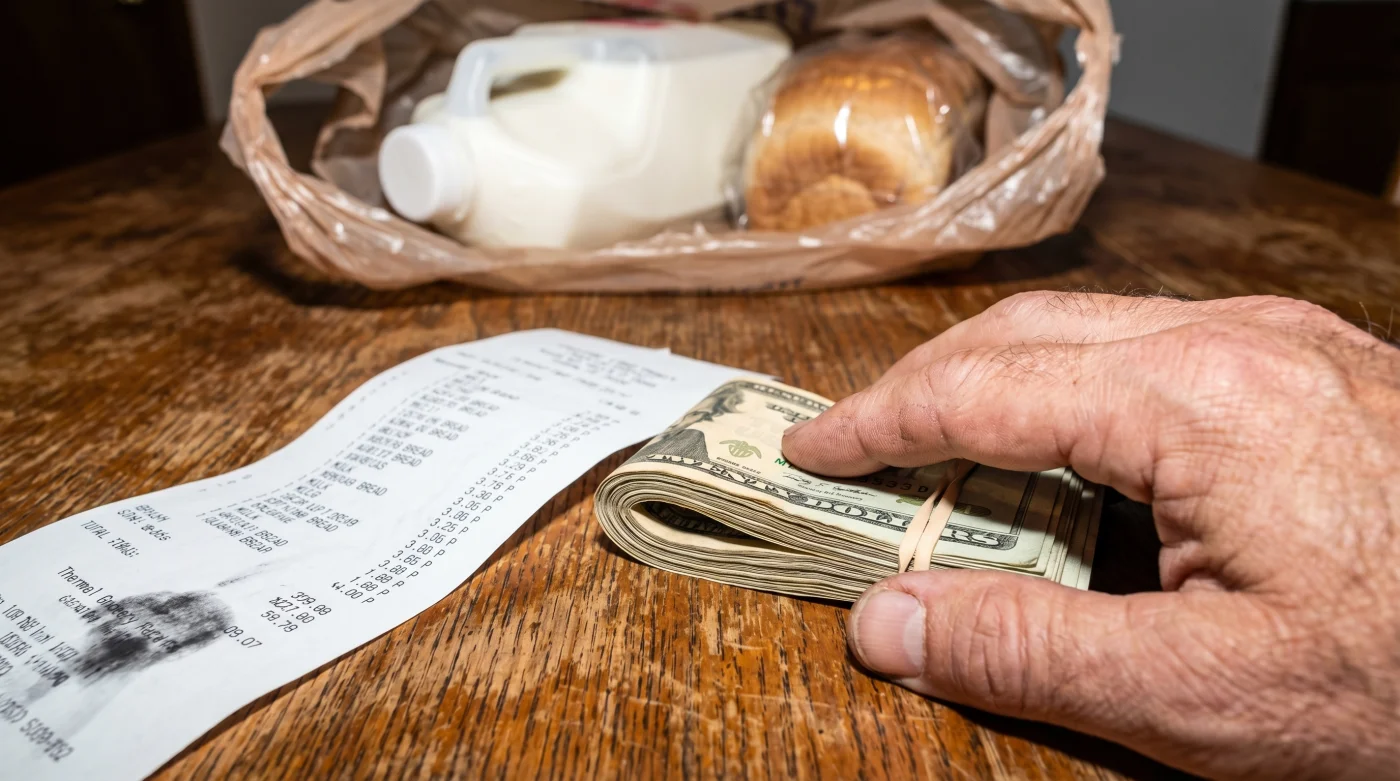
The low hum of the supermarket refrigerators used to be a comforting white noise, a backdrop to the mundane ritual of stocking the pantry. Now, it feels more like a ticking meter. You stand under the harsh fluorescent lights, watching the digital display at the self-checkout climb past the hundred-dollar mark for two canvas bags of basic provisions. It is a quiet, weekly sting that most of us simply absorb, assuming the rising cost of a simple block of butter is just an immovable fact of modern life.
Yet, a sudden friction has entered this routine. You do not have to just swallow the inflated cost of Tuesday’s dinner. A quiet rebellion is brewing, shifting the power dynamic from the sprawling corporate distribution centres right back to your kitchen counter. It is an organized pushback, and it is surprisingly accessible.
The concept of an action collective sounds heavy, perhaps conjuring images of megaphones and picket lines. In reality, it looks like a few taps on your phone while the morning coffee brews. It is a streamlined, legal mechanism designed to catch the overflow of grocery store price inflation and hand it back to the people who actually bought the bread. You are stepping into a stream of immediate change.
Getting your money back isn’t a lottery or a loyalty scheme wrapped in complicated algorithms. It is a direct reclamation. When you join the claim, you are simply turning the paper trail of your weekly sustenance into tangible cash.
Turning the Valve: Why Your Grocery Bill is a Reversible Transaction
We are conditioned to treat a grocery receipt as the final word. The transaction closes, the bags are loaded into the trunk of the car, and the money is gone. But think of that slip of paper differently. It isn’t a tombstone for your cash; it is a pressurized valve. For years, that valve only flowed outward, draining your accounts to feed corporate margins.
The action collective flips this mechanism entirely. By pooling individual frustrations, this organized movement creates enough pressure to force the flow in reverse. You aren’t fighting a legal battle alone in your living room. You are simply attaching your name to a massive, collective funnel that catches the excess runoff of inflated grocery pricing. The flaw in the system—the relentless, unchecked price gouging—becomes your major advantage. The more you’ve spent feeding your family, the heavier your leverage becomes in this collective claim.
You can see this shift most clearly in the kitchen of Elias Thorne, a 42-year-old forensic accountant and father of three from Halifax. Elias spent his days tracing corporate anomalies, yet felt entirely helpless watching his own family’s grocery bill balloon by forty percent over two years. One evening, staring at a twenty-two-dollar receipt for milk, eggs, and a loaf of sourdough, he stopped treating his groceries like a sunk cost and started treating them like an audit. He joined the collective, uploaded a month’s worth of digital records, and within weeks, a direct deposit hit his account. “It wasn’t just the two hundred dollars,” Elias noted, tapping his kitchen island. “It was the feeling of snapping the elastic band back at them. You suddenly realize the transaction isn’t actually over when you leave the store.”
Navigating the Claim: Your Personal Audit Strategy
How you interact with this immediate change depends entirely on how you’ve managed your checkout habits over the past few years. You do not need a perfect ledger to get free money, but you do need to know which lane you occupy.
The Digital Scavenger
If you habitually scan a loyalty card or tap your phone to pay, your work is largely done. The digital trail is permanent, sitting quietly in the servers of the very stores that inflated the prices. For you, the process involves logging into your grocery app, exporting your purchase history, and feeding that data into the collective’s secure portal. It takes minutes. The database does the heavy lifting, matching your purchases against the specific inflated items targeted by the claim.
The Paper Hoarder
Perhaps you still prefer the tactile crunch of a physical receipt, stuffing them into a kitchen drawer or the centre console of your vehicle. Your approach requires a slightly slower, more deliberate evening. Flatten out those curled strips of paper. You do not need every single one, just a representative sample from the designated timeline to establish your baseline spending. The collective’s platform allows for batch photo uploads, turning your chaotic drawer into a structured financial return.
The Cash-and-Carry Shopper
Even if you pay in cash and leave the receipt at the till, the system has built-in contingencies. Action collectives understand that not everyone operates a meticulous filing system. By filing a sworn declaration, you can still claim a standardized base payout. It might be lower than a fully documented claim, but it is still free money arriving in your mail as a physical cheque, requiring nothing more than five minutes of honest estimation.
The Tactical Toolkit: Claiming Your Capital
Securing your portion of the settlement shouldn’t feel like doing your taxes. It requires a calm, methodical approach.
Clear off the kitchen table, pour yourself a tea, and treat this as a focused, ten-minute reclamation project. Precision is your best tool here.
Follow these exact physical steps to register your claim without frustration:
- Locate the official portal: Search for the specific Canadian grocery action collective registry. Ensure the URL ends in a verified domain and features secure encryption.
- Gather your proof points: Keep your banking app open on your phone or have your stack of receipts within arm’s reach.
- Select your compensation tier: Choose between the undocumented base claim (usually a flat rate) or the documented variable claim for a higher payout ceiling.
- Submit and document: After hitting submit, immediately screenshot the confirmation number. This is your digital tracking receipt.
Do not overthink the categorization of individual items like bruised apples or discounted bread. The collective is looking at macroscopic spending patterns, not judging your Tuesday night snack choices.
Beyond the Payout: Reclaiming Your Agency
When that email notification finally chimes, signalling a successful e-transfer from the collective, the relief extends far beyond the numerical value. It is a psychological pivot.
For years, navigating the aisles of a Canadian grocery store has felt like a passive submission to forces entirely outside your control. You simply paid the ransom required to feed yourself. Participating in this collective action fundamentally alters that relationship. You are no longer just a consumer; you are an active participant in market accountability.
That unexpected deposit might cover a tank of fuel, buy a slightly better cut of meat for Sunday dinner, or simply sit in your savings account as a small buffer against the next cold winter. But more importantly, it restores a sense of equilibrium. It proves that the everyday act of buying your groceries does not have to be a one-way street, and that collective friction can, and will, force the system to correct itself.
“A receipt isn’t just proof of purchase; in a fractured market, it is a ticket for restitution.”
| Key Point | Detail | Added Value for the Reader |
|---|---|---|
| Claim Type | Documented vs. Undocumented | Higher payout ceiling for those with records; guaranteed minimum for those without. |
| Time Investment | 5 minutes to 30 minutes | A massive financial return on a half-hour of sorting through old bank statements. |
| Payout Method | Direct Deposit or Mailed Cheque | Total flexibility to receive your funds securely in whatever format fits your life. |
Frequently Asked Questions
Does joining the claim cost me any money upfront?
No. Legitimate action collectives operate on a contingency basis, meaning they take a small percentage of the total settlement before payouts are distributed to the public. You never pay out of pocket.How far back do my grocery receipts need to go?
The timeline varies by specific claim, but most look at purchasing habits over the last three to five years. Check the collective’s specific mandate for exact qualifying dates.Will my grocery store ban me or cancel my loyalty points?
Absolutely not. Retaliation for participating in a legal class-action or collective claim is strictly prohibited by Canadian law. Your points and your ability to shop are entirely safe.How long does it take to actually get the cash?
Legal wheels turn slowly. Once the claim period officially closes, it typically takes three to six months for the funds to be disbursed to individual bank accounts.Can I claim on behalf of my entire household?
Claims are usually filed per individual adult. If you and your spouse shop separately and maintain different bank accounts, you may both be eligible to file independently for maximum return.