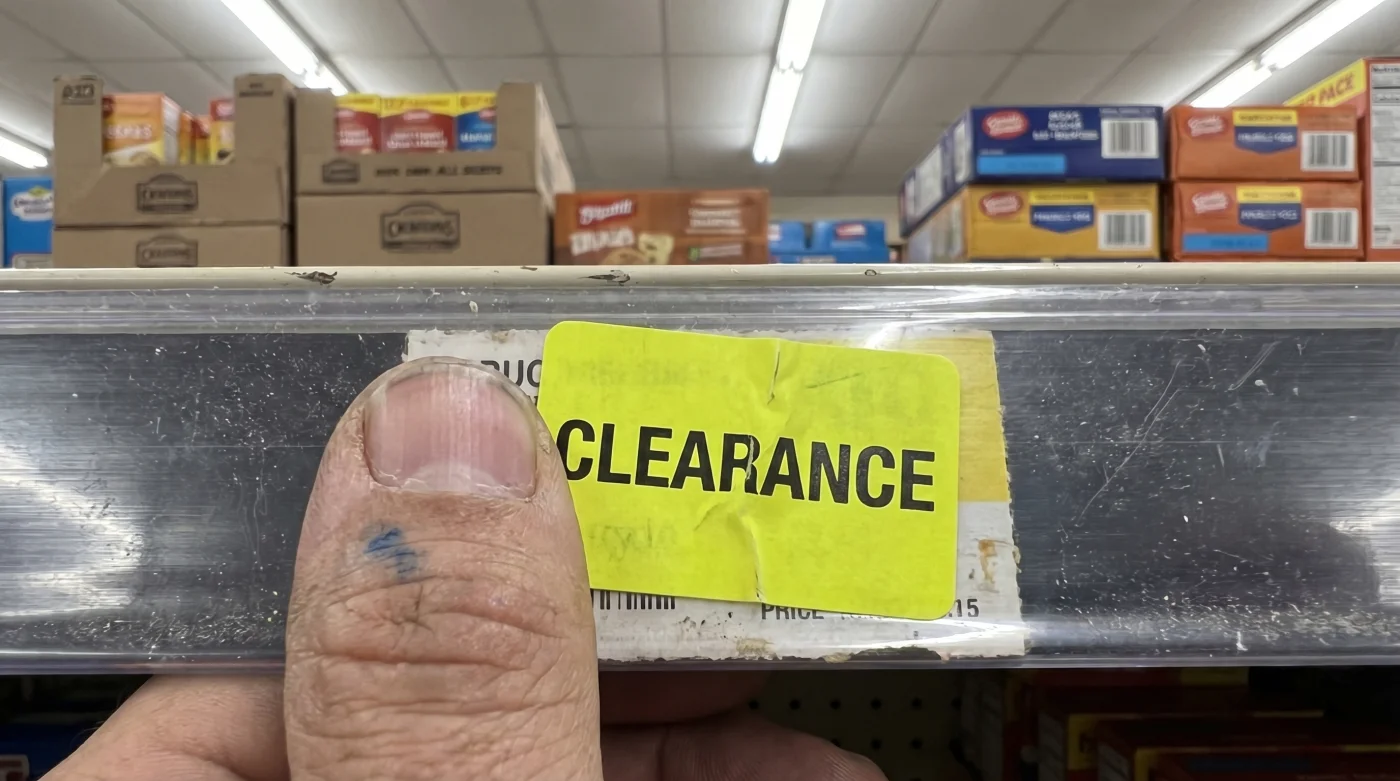
You stand under the hum of the fluorescent lights, staring at a simple block of butter. The tag reads like a typographical error, but the cold plastic of the shopping cart grounds you in the harsh reality of the modern Canadian grocery aisle. This is the weekly ritual of shrinking expectations, where building a basic family meal feels like negotiating a hostile contract.
You scan the receipt and feel the familiar tightening in your chest. For years, the narrative dictated that you were alone in this transaction, forced to absorb every arbitrary price hike passed down from the corporate suites of our national grocery conglomerates. The silence of the checkout lane was designed to make you feel powerless.
But something fundamental is shifting beneath the linoleum floors of our local supermarkets. A quiet, organized refusal is taking root across the country, transforming isolated frustration into a coordinated action collective. The expectation was always that Canadians would simply grumble and pay, but the reality is that the till is finally starting to freeze.
This changes the balance of everyday consumer power. When a neighbourhood, a city, or a digital community decides to withhold their dollars simultaneously, the artificial scarcity constructed by major chains begins to fracture. The prices drop not out of corporate goodwill, but from mathematical necessity.
The Perspective Shift: From Shopper to Shareholder
Think of your weekly grocery budget not as a static bill, but as a droplet in a massive, pressurized hose. When you point it in the same direction as your neighbour, it has enough force to carve stone. We have been conditioned to view grocery shopping as a solitary chore, a necessary surrender of our paycheques to keep the pantry stocked.
The true retail mechanism relies entirely on your predictable routine. The entire retail architecture—from the end-cap displays to the loyalty programs—is built to keep you on a pre-programmed track. When you step off that track alongside thousands of others, the algorithm panics. This is the heart of the action collective: turning your perceived flaw of being a difficult or frugal shopper into a major structural advantage. It is a refusal to be a passive data point.
The Halifax Catalyst: Proof of Concept
Consider the approach of Clara, a 34-year-old public school teacher in Halifax. Six months ago, tired of paying eight dollars for wilting spinach, she stopped complaining into the void and started a modest text group with fifteen other parents. They pooled their weekly produce funds, driving a few kilometres out of town to buy direct from a regional greenhouse. Within weeks, the group swelled to four hundred members.
Notice what happened next: the manager of the local big-box grocer, watching his produce shrink-wrap expire on the shelves week after week, quietly slashed his prices by thirty percent to woo them back. Clara did not hold up a protest sign; she simply redirected the flow of money. It was a masterclass in silent leverage, proving that collective indifference is the only language retail giants truly understand.
Finding Your Stance: How to Apply Pressure
You do not need to organize a massive boycott to participate in this movement. The action collective thrives on thousands of tiny, sustainable adjustments rather than a few massive sacrifices. The goal is to make the major chains sweat for every dollar, altering your habits just enough to register as a lost sale on their quarterly reports.
For the Quiet Defector: If you are overwhelmed by the idea of overhauling your routine, simply target their highest-margin items. Stop buying pre-cut vegetables, branded cleaning supplies, and name-brand cereals. Source these specific items from local dollar stores, hardware shops, or independent ethnic grocers. You are starving the most profitable aisles of the supermarket without completely disrupting your weekly meal prep.
For the Community Buyer: Look for local bulk-buying groups or neighbourhood cooperatives on community boards. These networks use collective purchasing power to buy pantry staples like rice, oats, and flour at wholesale rates. You are essentially bypassing the retail markup altogether, securing your household staples while actively denying that revenue to the national chains.
For the Strategic Opportunist: Learn to weaponize the flyer. The major stores use loss leaders—heavily discounted items on the front page—to lure you inside, banking on you buying your full-priced groceries while you are there. The tactical move is to walk in, buy exclusively the loss leaders, and walk out. You take the deal, and they take the financial hit.
Mindful Application: Organizing Your Defense
To truly benefit from this collective shift, you need to operate with intent. It is about applying friction to the buying process. You must replace blind convenience with calculated strikes.
- Maintain a basic price book: Track the true cost per hundred grams of your five most-used items to spot fake sales.
- Delay non-perishable purchases: If the price of cooking oil spikes, rely on your pantry reserves for an extra two weeks to signal decreased demand.
- Use cash for small trips: The physical act of handing over brightly coloured bills forces a psychological pause, preventing impulse buys at the checkout.
- Rotate your loyalty: Never rely on a single store; forcing them to compete for your weekly presence breaks their pricing algorithms.
These small, deliberate acts stack up over time, creating a measurable dent in localized inflation. When enough people adopt this exact toolkit, the pricing models break.
Reclaiming Your Peace of Mind
Stepping out of the reactive cycle of grocery shopping is a profound relief. The constant anxiety of watching the total climb at the register begins to fade when you know you are part of a broader, deliberate strategy. You are no longer a victim of arbitrary inflation; you are an active participant in resetting the market.
The aisles feel different when you walk through them with agency. You begin to see the bright yellow sale tags not as generous offers, but as concessions won by a frustrated, organized public. By joining this silent movement, you are doing more than just protecting your own bank account. You are helping to restore a sense of fairness to the very foundation of how we feed our families.
The moment a community realizes their spending habits are a shared resource, the pricing power immediately shifts from the boardroom to the neighbourhood.
| Strategy | Mechanism | Added Value for the Reader |
|---|---|---|
| Loss-Leader Harvesting | Purchasing only heavily discounted flyer items and leaving. | Maximizes your savings while actively draining the store profit margin. |
| Micro-Defections | Moving 20% of your grocery budget to local independents. | Forces major chains to lower prices locally to win back your routine foot traffic. |
| Pantry Buffering | Refusing to restock inflated staples until prices stabilize. | Breaks the algorithm assumption that demand is inelastic, triggering automated discounts. |
Frequently Asked Questions
Is an action collective legally binding?
No, in this context, it refers to a coordinated consumer movement—like a targeted boycott—rather than a formal courtroom class action, though both share the goal of holding corporations accountable.Can my small budget really make a difference?
Absolutely. Grocery stores operate on razor-thin volume margins; losing even a five percent drop in local foot traffic will trigger automated price reductions in their systems.Where do I find these local buying groups?
Check neighbourhood social media boards, local community centres, or ask independent farmers at your weekend market—they often supply these informal cooperatives.Will buying loss-leaders hurt my local store employees?
Not at all. Wages and hours are set centrally; your targeted buying affects corporate profit margins, not the cashiers working the floor.How quickly do prices drop when people stop buying?
For perishable goods, you can see localized price adjustments in as little as four to seven days, as store managers scramble to move expiring inventory.