You know the precise sound of tires crushing packed snow as you pull up to that glowing menu board at dusk. It is a familiar, weary ritual. The heater hums against the minus twenty chill, the scent of hot salt and frying potatoes slips through the cracked window, and you brace yourself for the total. For the past few years, that glowing screen has felt less like a convenience and more like a heavy tax on a desperately busy Tuesday night.
But something shifted in the glow of the drive-thru this week. You order the usual, expecting the familiar grimace as the digital digits tally up, but the number stops climbing prematurely. It hangs there on the monitor, suspended, surprisingly light. The cashier reads back a total that sounds like it belongs to a different decade.
This isn’t a glitch in the local point-of-sale system, nor is it a temporary promotional mirage. It is the immediate, tangible ripple effect of a new directive from the top down. McDonald’s boss Chris Kempczinski has quietly orchestrated a profound course correction, intentionally dropping the baseline cost of that quick, necessary meal. The era of the heavily inflated fast-food ticket is experiencing a sudden, welcome thaw.
The internal memo has been signed, the prices are finally dropping, and your evening commute just got a fraction less stressful. The friction of feeding yourself when the fridge is empty and your energy is entirely spent has suddenly been smoothed out, offering a genuine moment of relief in a landscape of rising costs.
The Architecture of a Five-Dollar Bill
We have grown accustomed to treating inflation like gravity—an invisible, relentless force that only pulls our bank accounts in one direction. When the cost of a basic, entry-level burger crept up past the price of a decent artisanal coffee, we simply adjusted our posture. We accepted that the quick, desperate meal squeezed between hockey practice and evening chores was no longer a cheap refuge, but rather a calculated household expense.
But fast-food economics actually operates like a tightly stretched elastic band, not a solid brick wall. When leadership examined the hard data showing everyday Canadians pulling back, reluctantly choosing the fluorescent glare of the grocery aisle over the golden arches on a Friday night, they didn’t double down on glossy, premium marketing campaigns. They deliberately released the tension.
The perspective shift here is profoundly grounding. A lower price point on a foundational menu item isn’t a desperate grab for market share; it is a clear-eyed acknowledgement of the ground reality. The utterly mundane act of paying significantly less for a hamburger suddenly feels like a quiet restoration of balance. It is the vast corporate system finally recognizing that your dollar needs room to breathe.
Consider the daily reality of Sarah Jenkins, a 42-year-old franchise operations consultant based out of Calgary. “When the Kempczinski pricing memo hit the regional managers’ desks, you could hear the collective exhale,” she notes over a lukewarm black coffee, her toque pushed back on her forehead. “We were practically training our cashiers to silently apologize for the total before handing over the debit machine. Now, the pricing strategy has returned to its actual roots. It is entirely about volume, rhythm, and giving working families a genuine break when the snow is flying and nobody has the sheer willpower to stand over a stove boiling pasta.”
Navigating the New Menu Topography
Not all price cuts land the same way or offer the same utility. The way you leverage this sudden shift depends entirely on what the dashboard clock says and who is sitting in the passenger seat when you finally give in to the craving.
For the Exhausted Parent: The after-school rush is an exercise in pure survival. The new pricing structure aggressively targets the foundational ‘value meal’ bundles. This means you aren’t anxiously piecing together a meal from the cheapest margins of the menu. You can order a complete, recognizable, filling dinner for the kids in the back seat without feeling that sharp, familiar sting in your chequing account.
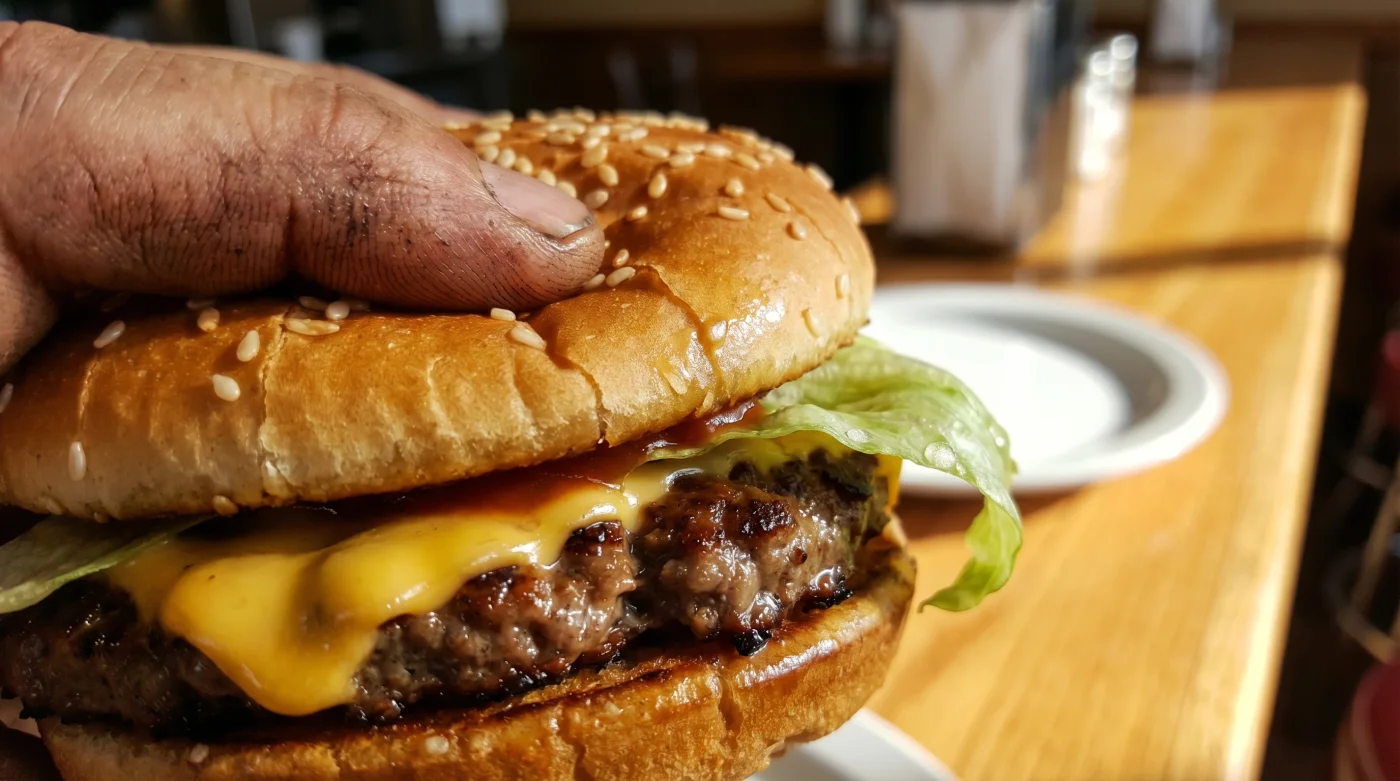
For the Highway Commuter: When you are burning dark kilometres on the 401 or the Trans-Canada, a quick stop is entirely about fuel and pacing. The noticeable drop in single-item, basic sandwich prices allows for a surgical strike. Two classic cheeseburgers and a medium black coffee now neatly fit under a five-dollar bill once again, letting you tap your card and merge back into highway traffic without a second thought.
For the App Navigator: Digital ordering has become the hidden realm of corporate generosity. The Kempczinski pricing strategy heavily rewards the silent, in-app transaction. By shifting your attention to the digital interface before you even leave your driveway, you find that the new, lowered baseline prices stack remarkably well with app-exclusive digital coupons, turning a cheap meal into an absolute tactical victory.
Mindful Application: The Tactical Ordering Toolkit
Taking full advantage of this price shift requires a slight recalibration of your ingrained ordering habits. You need to consciously look past the glowing, high-definition promotional screens that aggressively push the newest, heaviest limited-time offer.
Focus your attention completely on the quiet corners of the menu board. The real, tangible financial relief is deliberately hidden in the standard, historically foundational items that have quietly retreated to their original, expected price points.
When you pull up to the speaker or stand before the touch-screen kiosk, slow your pace. Speak clearly, and specifically request the items that form the bedrock of this recent value restructuring.
- Bypass the complex, multi-patty premium builds. The cream of the savings rests in the classic, single-patty items where the price drop is most heavily concentrated.
- Always ask for the specific “value bundle” by its exact promotional name, rather than ordering a sandwich, fries, and a drink a la carte, which triggers the older, inflated pricing algorithm.
- Audit the mobile app while the car is safely in park. The current corporate mandate aggressively channels the deepest discounts toward digital, pre-planned orders.
- Avoid the instinct to upsize your beverages. The baseline small or medium cups offer the most precise, optimized value-to-cost ratio under the new pricing tier.
Reclaiming the Cheap Meal
There is a specific, quiet kind of peace that comes from knowing you have a genuinely cheap, totally reliable backup plan when the day completely falls apart. We do not turn to a paper-wrapped drive-thru burger for a culinary revelation or a sophisticated dining experience. We turn to it because the fridge is hollow, the sleet is freezing to the windshield, and we simply need to feed ourselves without thinking too hard about the logistics.
When Chris Kempczinski pulls the lever on baseline pricing, he isn’t just tweaking a corporate profit margin on a spreadsheet. He is effectively restoring a tiny bit of much-needed slack to the rope that everyday people are holding onto.
For the past few long years, every minor financial transaction has felt fraught, heavily weighted with the exhausting realities of persistent inflation. Bringing the cost of a basic, hot meal back down to earth miraculously removes that daily friction. It reminds us that sometimes, acquiring a warm, salty, simple meal in a brown paper bag shouldn’t require a calculated financial strategy. It should just be refreshingly easy.
The return to affordable baseline pricing is not a retreat; it is a brilliant recognition that the truest value of fast food lies in its ability to completely remove stress from a harsh day.
| Strategic Order | Financial Reality | The Reader’s Advantage |
|---|---|---|
| Classic Single Burger | Sharply reduced baseline cost | Instant caloric fuel without the premium price tag. |
| Value Bundle Call-out | Algorithmic discount applied | Secures a full meal structure at a fraction of a la carte pricing. |
| In-App Digital Pre-order | Stacked promotional savings | Maximizes the Kempczinski price drop before reaching the window. |
Frequently Asked Questions
Does this price drop apply to all menu items?
No. The strategic reduction is heavily focused on foundational, entry-level items and specific value bundles, while premium, limited-time offers maintain their higher margins.Will these new prices vary by Canadian province?
Yes, minor regional variations exist due to local supply chains, but the overall percentage drop in baseline value items is a national directive.How long will this new pricing structure last?
Industry signals suggest this is a long-term architectural shift in pricing strategy to recover foot traffic, not a brief weekend promotion.Are the portion sizes shrinking to compensate for the lower price?
No. The memo specifically dictates holding the line on standard weights and measures to rebuild genuine consumer trust.Do I need the mobile app to get the cheaper prices?
While the baseline drive-thru prices have dropped, the most aggressive, stacked savings are intentionally engineered into the digital app experience.