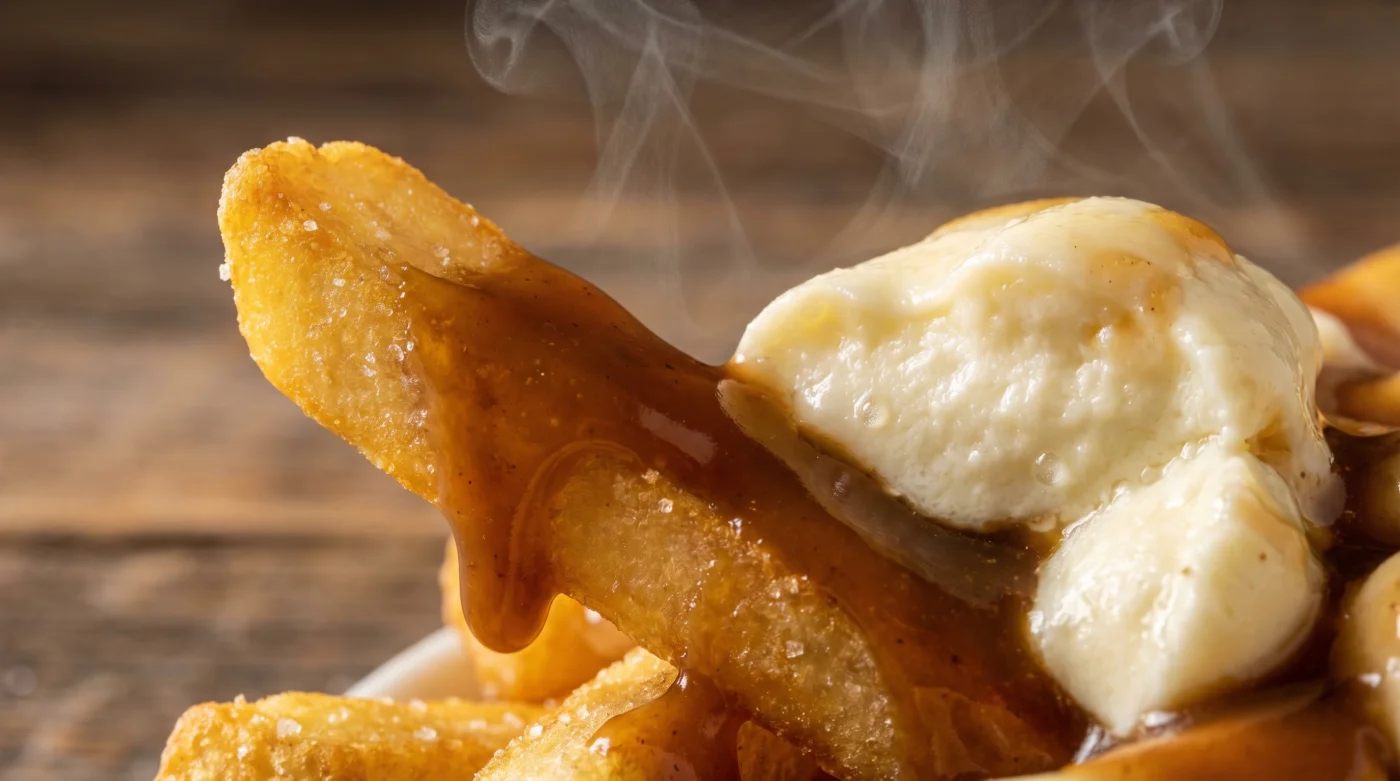
The sharp, unmistakable scent of hot canola oil cuts through the lingering dampness of a Canadian spring afternoon. You stand at a chipped laminate counter, listening to the rhythmic, aggressive hiss of the deep fryer, waiting for that familiar paper carton to be slid across the till. Inside, the fries are still blistering, trapped under a dense, squeaky blanket of raw white curds and a ladle of nearly black, shimmering beef-stock gravy. The heat radiating through the cardboard warms your hands, promising immediate comfort.
It is a heavy, deeply satisfying ritual, but this week, the rhythm of the fry stand changes entirely. National poutine day brings a sudden, massive shift in how local kitchens operate, flooding your neighbourhood with unprecedented access to premium ingredients at typical diner prices. The sheer volume of anticipated orders forces a temporary overhaul of the usual, slow-moving supply chains, turning a casual lunch spot into a high-efficiency culinary machine.
Normally, you might quietly accept whatever grated mozzarella or lukewarm, mass-produced sauce a late-night drive-thru hands you when convenience outweighs quality. But right now, the baseline fundamentally shifts. Kitchens are fiercely competing for your attention and loyalty, meaning that mundane chalkboard menu leaning by the door has temporarily transformed into a map of high-grade culinary bargains. You just need to know how to read it.
The Immediate Change in the Fryer Economy
We often treat comfort food as a static, unmoving commodity. You pay your five or six dollars, you receive your salty starch, and you move on with your day without a second thought. But the arrival of this specific calendar day triggers an immediate change in the local culinary economy. The sudden surge in anticipated demand forces purveyors to bypass their usual week-long refrigeration limits, demanding fresh deliveries before the morning rush even begins.
Think of it like a sudden pressure drop right before a summer storm; everything moves faster. Check local fry menus to see this principle in action, because you aren’t just hunting for a cheaper lunch. You are actively searching for establishments that are using the massive volume of the holiday to subsidize their absolute best, freshest product. A common flaw in the fast-food system—the rapid, heartbreaking degradation of fresh cheese—suddenly becomes your greatest advantage as a consumer.
The true secret of this dish isn’t found in the earthy potato, nor is it hidden in the proprietary seasoning salt; it rests entirely in the fragile state of the dairy. Because curds lose their signature squeak and internal molecular tension after mere hours sitting in a cold refrigerator, a quiet Tuesday usually means you are eating compromised cheese. A massive promotional week mathematically guarantees the dairy in your carton is barely hours out of the warm vat.
Consider the demanding daily routine of Émile, a 38-year-old dairy distributor operating just outside of Sherbrooke. For fifty-one weeks of the year, he carefully portions out his deliveries to balance regional diner demand with his family farm’s steady, predictable output. But during this specific week, he completely bypasses the usual warehouse middlemen, running his refrigerated transport trucks straight from the cooling vats to local fry stands across the province. He knows that when local shops slash their prices to draw a holiday crowd, they are secretly serving the most pristine, unaged curds his team can physically produce. The speed of the sale protects the integrity of the food.
Decoding the Chalkboard Specials
Not all promotions, however, are created equal. Depending on the exact postal code and culinary heritage of your neighbourhood, the chalkboard specials sitting outside your local chip truck or corner bistro will cater to entirely different cravings and ordering strategies. Learning to translate these offers is critical.
For the Strict Traditionalist
You want the holy trinity: double-blanched Russet potatoes, fresh cheddar curds, and a thin, highly peppery chicken or beef broth. Look for old-school diners offering straight percentage discounts on their classic sizes. These spots aren’t messing around with novelty toppings or weird fusions; they are purely relying on volume to move fresh product before the weekend rush hits. Their confidence lies in the execution of the basics.
For the Experimental Snacker
Certain forward-thinking kitchens use the sudden influx of cheap base ingredients to aggressively test new menus on a willing public. You will quickly spot pulled pork, fiery butter chicken, or rich Montreal smoked meat variations suddenly appearing at half their usual premium price point. This is the exact moment to test a chef’s creativity and palate without the usual twenty-dollar commitment hanging over your head.
For the Strategic Home Cook
The quietest, most valuable deal happens right at the cash register itself, entirely out of sight of the deep fryers. Many independent shops will eagerly sell their overstock dairy by the gram to clear valuable counter space. You can easily get huge cheese curd discounts by simply asking the cashier if they are selling vacuum bags of fresh curds separately. You take the highly coveted squeak home to your own kitchen, leaving the chaotic deep-frying mess behind for the professionals.
Executing the Counter Strategy
Navigating a sudden, chaotic rush of discounted comfort food requires a bit of tactical awareness and deliberate planning. You want the food at its absolute peak, not wilting sadly inside a styrofoam clamshell during a long, heated commute home. The environment is fast, but your decisions must be intentional.
Approach the transaction with clear intention. It is entirely reasonable, and often welcomed by serious cooks who respect their craft, to politely dictate how your meal is constructed to properly preserve its structural integrity. The cream should tremble under the heat, not dissolve into a greasy puddle.
- Ask for the gravy in a separate, tightly sealed cup to keep the potatoes dangerously crisp until you physically sit down at your table.
- Verify the serving temperature. A proper assembly relies on the gravy being at least 85 degrees Celsius to adequately soften, but never fully melt, the dairy layer.
- Scan local fry menus specifically for the words ‘delivered daily’ or ‘squeak,’ which reliably signal a kitchen actively participating in the fresh dairy surge.
- Eat the dish immediately. The architectural integrity of the fries degrades severely after exactly twelve minutes submerged in the hot sauce.
The Tactical Toolkit
Your immediate priority is controlling the timing. Plan your pickup for exactly 11:30 AM or right at 4:30 PM, beating the primary rushes. You want to hit the kitchen right as the oil reaches its optimal smoking point, ensuring your base potato layer is structurally sound enough to handle the hot broth without collapsing like wet paper.
A Reconnection with the Neighbourhood
Chasing down a discounted, heavy carton of gravy-soaked fries might initially seem like a fleeting, indulgent distraction from a busy workday. But participating in this hyper-local, fast-paced surge connects you directly to the immediate, frantic pulse of your community’s hardworking kitchens. It forces you to step out of the sterile grocery store and into the vibrant noise of the street.
You begin to quietly notice which specific corners of your city take genuine pride in their local sourcing, and which merely open frozen bags. You quickly learn to recognize the subtle differences between a generic, pale food-service fry and a hand-punched, perfectly timed local potato that shatters beautifully when bitten.
By taking advantage of this brief window of culinary generosity, you aren’t just saving a few dollars on a quick lunch. You are actively participating in a highly specific, beautifully messy Canadian tradition that keeps independent fry stands and regional dairy farmers thriving in a fiercely competitive market. You are eating history, served hot in a cardboard box.
The magic of a fast-paced promotional week is that the kitchen is forced to operate on pure instinct; the turnover is so high that the ingredients never have a chance to lose their spirit. — Marc-Antoine, Head Chef
| Key Point | Detail | Added Value for the Reader |
|---|---|---|
| Fresh Dairy Influx | Cheese curds bypass cold storage entirely. | Guarantees maximum ‘squeak’ and ideal texture. |
| Deconstructed Ordering | Requesting hot gravy in a separate side cup. | Maintains crisp potato structure during transit. |
| Direct Procurement | Buying raw curds directly from the counter. | Secures premium ingredients for home cooking at a fraction of the cost. |
Frequently Asked Questions
Why are the cheese curds suddenly so much better this week?
The high volume of sales forces local fry stands to order dairy directly from the farm, bypassing the usual warehouse storage that ruins the delicate texture.Is it rude to ask for the sauce on the side during a busy rush?
Not at all. Professional cooks respect customers who want to preserve the crispness of the dish, provided you ask clearly at the very start of your order.How long does a proper poutine actually last before getting soggy?
You have approximately twelve minutes from the exact moment the hot broth hits the fries before the starches begin to aggressively break down into a paste.Can I freeze the extra curds I buy from the diner?
You can, but doing so destroys the internal moisture barrier that creates the famous squeak. It is vastly better to consume them fresh within twenty-four hours.Why does the temperature of the gravy matter so much?
If the broth rests below 85 degrees Celsius, it will merely coat the cheese instead of gently warming the proteins to that perfect, trembling state required for ideal flavor release.