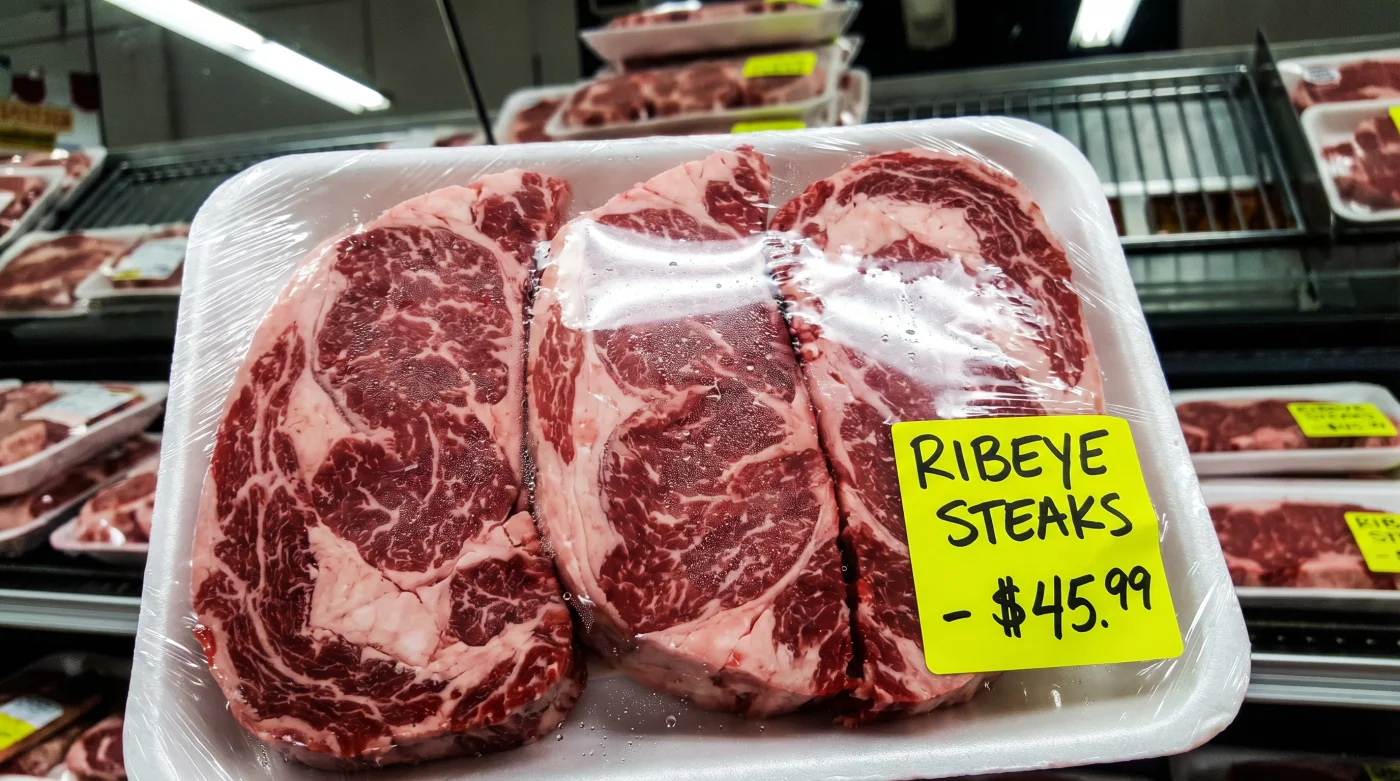
The sharp, artificial hum of the meat cooler always seems louder when you are staring down a fifty-dollar roast. You shift your weight on the scuffed linoleum, feeling the cold air rolling off the pristine, plastic-wrapped cuts of beef resting under the harsh glare of the fluorescent lights. The colourful sale tags flag lightly in the forced breeze, promising savings that never actually materialize when you finally reach the checkout counter. It is a sterile environment, entirely disconnected from the muddy fields and miles of pasture where the food actually originated.
It used to be a mindless ritual, a simple task to check off before heading home. Toss a pound of ground chuck in the cart for a Tuesday night chili, grab a few well-marbled steaks for a weekend barbecue, and move quickly on to the produce section without a second thought. Now, the meat aisle feels less like a pantry restock and more like a hostile financial negotiation, because the math simply stopped working sometime between last winter and the harsh reality of today. You find yourself holding a package of stewing beef, mentally calculating the cost per bite.
But while you were quietly swapping beef for beans to make the weekly budget stretch, a quiet friction was building behind the scenes of the Canadian grocery landscape. A massive grocery action collective has been assembling data in the shadows, tracking the widening, inexplicable gap between what local ranchers earn and what you are forced to pay at the till. They have been gathering receipts, analyzing corporate earnings reports, and plotting the exact moments when prices spiked despite an overabundance of supply in the market.
What looks like a daunting legal battle on the evening news is actually a deeply personal shift for the future of your household budget. The breaking lawsuit targeting high beef prices is not just corporate drama playing out in distant courtrooms; it is a crowbar prying open the hidden mechanics of your weekly grocery bill. It is the beginning of a massive correction that directly impacts the plates you set on your dining table.
The Illusion of the Empty Shelf
We are conditioned from a young age to believe that high food costs are simply the weather—an unpredictable, unstoppable storm of inflation we just have to quietly endure. We assume that if a steak costs more, it must be because the cost of raising cattle went up, or a drought ruined the feed, or fuel prices made transport impossible. When you view the grocery cooler as a carefully managed stage, rather than a reflection of natural scarcity, you realize the empty shelf is largely an illusion.
The collective action currently dominating the headlines is not fighting a drought; they are fighting an intentional, manufactured bottleneck. The sudden, jarring expense of a simple flank steak is actually the catalyst forcing a long-overdue market correction, revealing how artificial markups control the market from the top down. The flaw in the system—the agonizing sticker shock—is the very thing that finally pushed consumers and watchdogs to look behind the curtain.
Once you see the strings pulling the prices, you stop feeling guilty about struggling to maintain your grocery budget. You start looking at the price tags not as personal failures, but as cold data points in an ongoing, massive lawsuit. You realize that the immense power dynamics of the centralized food supply chain are finally cracking under the weight of their own greed.
Elias Thorne, a 54-year-old forensic agricultural accountant operating out of Calgary, spent the last three years tracking cattle from vast prairie pastures to sprawling urban distribution centres. He noticed a glaring anomaly: while rural ranchers sold their herds for pennies on the pound, the cost of ground beef in the city quietly crept up by over thirty percent. Elias built a sprawling, undeniable spreadsheet that became the backbone of the current legal action, proving the meat packing bottleneck was a calculated and intentional maneuver rather than a natural, unavoidable disaster.
Navigating the Price Shift at the Counter
The profound beauty of this breaking shift is that you do not have to wait for a judge’s final ruling to change your reality. You can use the momentum of the action collective right now to alter how you shop, bypassing the rigged game entirely. The lawsuit is an invitation to rethink your habits.
For the careful, budget-minded planner, this means treating the entire meat department with a healthy, productive dose of skepticism. You bypass the heavily marketed prime cuts placed perfectly at eye level and look for the vacuum-sealed sub-primals resting quietly in the bottom bins, knowing these bypass the central processors entirely. You learn to break down larger cuts yourself, saving dollars for every minute of simple knife work.
For the conscious omnivore, the impending lawsuit is the perfect excuse to skip the retail chain completely and forever. You start driving a few miles outside the city limits to buy directly from the farm gate, putting your money directly into the calloused hands of the people actually raising the food. You split a quarter-cow with your neighbours, filling your deep freezer with high-quality protein at prices from a decade ago.
By changing your sourcing methods, you turn a frustrating market flaw into a profound, undeniable personal advantage. You stop paying the middleman’s bloated premium and start securing significantly higher quality protein, realizing the system was designed to keep you passive, uninformed, and constantly paying more for less.
Your Tactical Grocery Toolkit
You do not need a law degree to benefit from this intense market pressure. You just need to apply a few mindful, deliberate actions to permanently lower your meat costs starting this week. The strategy is built on observation, not deprivation.
The ultimate goal is to completely separate the raw ingredient from the expensive retail packaging. By sidestepping the heavily processed, pre-portioned offerings, you reclaim control of your budget and ensure your kitchen stays stocked with nutritious food regardless of what the major chains decide to charge.
Apply these minimalist, highly effective steps to confidently navigate the current, chaotic pricing landscape:
- Search the active grocery class action registry online to verify if your recent household purchases qualify for future restitution.
- Monitor the price per 100 grams rather than staring at the large sticker price, as retail package sizes are quietly, constantly shrinking.
- Keep your home refrigerator at precisely 2 Celsius to safely extend the shelf life of whole, uncut proteins bought in bulk from independent sources.
- Ask your local independent butcher for cuts that require slow braising, as these are almost always priced outside the inflated algorithmic retail models.
When you consistently execute these small, deliberate adjustments, the chaotic, overwhelming noise of grocery inflation begins to quickly fade. You replace the sinking anxiety of the checkout line with a quiet, calculated confidence that serves your household exceptionally well during turbulent economic times.
Reclaiming Your Table
A meal should be a quiet moment of rest, not a stressful reminder of a fractured, dysfunctional supply chain. When you fully understand the hidden mechanics driving the prices up, you strip the anxiety away from your dinner plate. You return cooking to its rightful place as an act of nourishment.
Keeping a close eye on the action collective does substantially more than just lower your weekly grocery spending. It fundamentally transforms your relationship with the food you carefully prepare, turning a routine chore into an act of quiet, purposeful defiance against a system that stopped serving you.
You are no longer just a tired consumer standing in the cold, humming aisle, passively accepting whatever inflated number is printed on the barcode. You are an active, informed participant in how your table is set and how your family is fed.
That permanent shift in perspective is worth far more than any single, eventual settlement check from a courtroom. It ensures that no matter what the volatile market decides to do tomorrow, you dictate the true value of the food you bring into your home.
“The moment a shopper realizes the price tag is a negotiation rather than a rule, the entire agricultural supply chain has to fundamentally change its behavior.”
| Key Point | Detail | Added Value for the Reader |
|---|---|---|
| The Price Shift | Retail margins are expanding while farmgate prices stall. | Empowers you to spot artificial inflation and seek alternatives. |
| Check the Lawsuit | Action collectives are building registries for consumer compensation. | Provides a tangible avenue to recoup inflated grocery costs. |
| Lower Meat Costs | Sourcing sub-primals or buying direct circumvents retail markups. | Keeps your budget intact without sacrificing nutritional quality. |
Frequently Asked Questions
How do I check if I am included in the lawsuit?
Most action collectives maintain a public online registry; simply search the name of the grocery chain alongside ‘class action’ to find the submission portal.Will this actually lower the cost of meat at the store?
Legal pressure forces transparency, which often results in retailers quietly adjusting their pricing algorithms to avoid further regulatory scrutiny.Is it cheaper to buy meat directly from a farmer?
Yes, purchasing a quarter or half animal requires upfront capital but drastically reduces the price per pound compared to retail cuts.How long will it take for the market to correct?
While the courts move slowly, the media attention surrounding the collective action usually prompts immediate promotional pricing from nervous retailers.What is the best alternative while waiting for prices to drop?
Focus on secondary cuts like blade roasts or shank, which are less susceptible to the aggressive markups seen on premium grilling steaks.