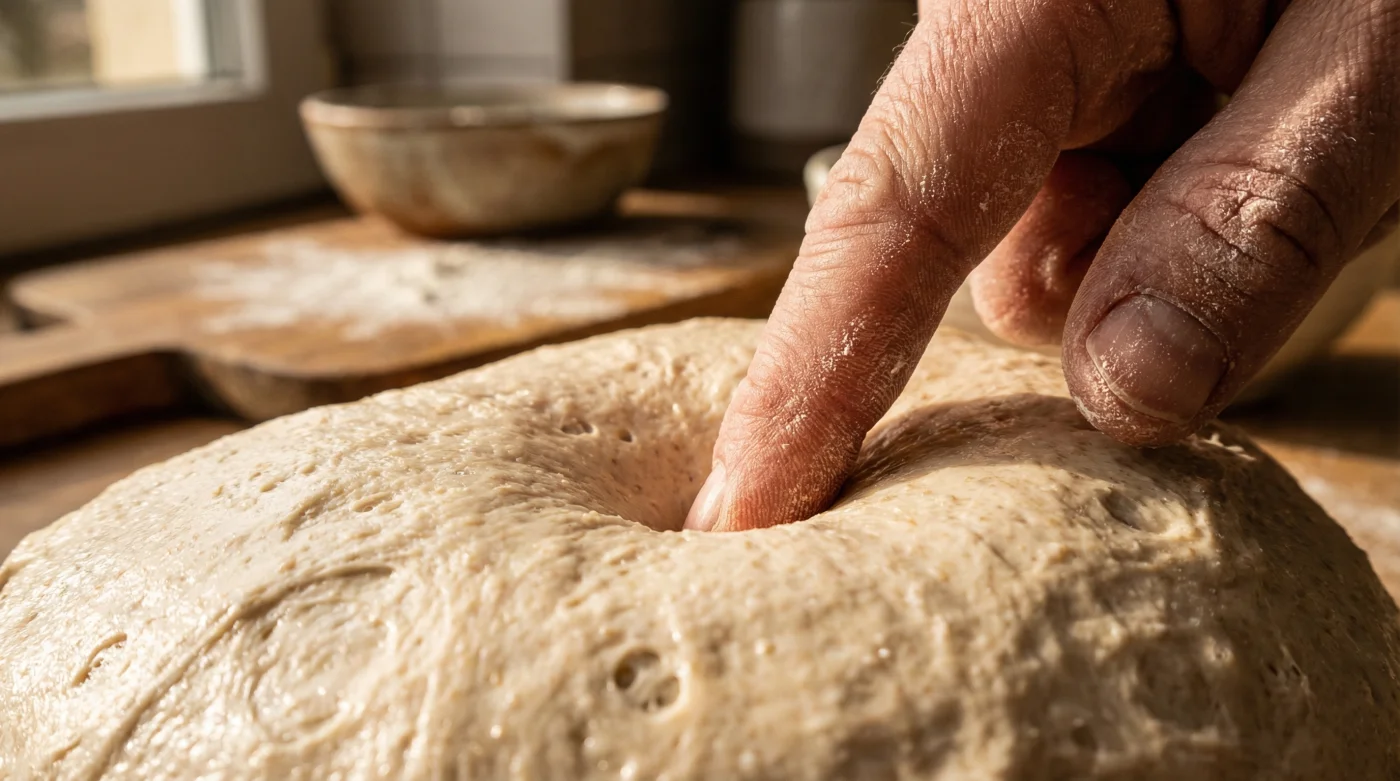
The late afternoon light catches the fine flour dust lingering in the quiet air of your kitchen. You stare at the cold countertop, craving the comforting pull of warm, blistered bread, but the clock ticking on the wall mocks you. It is nearly six o’clock, and a standard yeast dough requires an overnight commitment in the fridge, or at the very least, a patient, warm afternoon of rising, punching, and waiting. The thought of blooming active dry yeast in warm water and starting a traditional sponge feels like an emotional weight you simply cannot carry tonight. Dinner is approaching, and your energy is fading.
You pull open the heavy fridge door, and you are greeted by a mundane plastic tub. Inside sits thick, unapologetically sour plain Greek yogurt. It usually serves as a rushed, protein-heavy breakfast or a reluctant, low-fat substitute for sour cream on taco night. Today, however, it is the foundation of a sudden, structural shift in how you approach baking.
When you combine this dense, tangy paste with everyday self-rising flour, you completely bypass the biological waiting room. You are no longer coaxing microscopic fungi to breathe life into milled wheat over several hours. Instead, you are initiating an immediate, fierce chemical reaction that mimics the complex texture of artisanal flatbreads without the agonizing wait.
The Lactic Springboard
Traditional bread making relies on the slow, steady exhale of living yeast, trapped within a meticulously developed gluten web. It is a beautiful, almost meditative process, but it demands your time and environmental control. This viral two-ingredient approach operates on a completely different, almost brutalist logic. It turns a flawed assumption—that good bread requires immense patience—into your most reliable advantage.
Think of the plain Greek yogurt as a highly concentrated, acidic engine. The heavy lactic acid interacts violently and wonderfully with the alkaline baking powder already dispersed evenly throughout the self-rising flour. It does not just hydrate the dry goods like plain water would; it forces an instant, tenderizing lift. The dough puffs and softens in your bare hands, skipping the multi-hour proofing phase entirely. You are bypassing the slow fermentation by supplying the necessary acidity, flavour, and aeration up front.
Sarah Jenkins, a 34-year-old development chef working out of a cramped Toronto kitchen, relied on this exact collision of ingredients when tasked with building a ten-minute flatbread for a high-volume café. She discovered that skipping the resting phase did not ruin the bite; the high fat and protein content of a whole milk Greek yogurt essentially short-circuited the tough gluten strands before they could seize up. “You aren’t babysitting a living organism,” she noted while aggressively scraping down her stainless steel bench. “You are forcing a rapid reaction to create a hot, edible cloud bound by dairy.”
Tailoring the Tear
This sturdy base acts as a blank canvas, but treating it the exact same way every single time ignores its profound versatility. The beauty of this rough dough lies in how quickly it adapts to what you currently have sitting in your pantry or whatever specific craving hits you at dusk.
For the Charcoal Purist, if you want that blistered, campfire aesthetic reminiscent of a tandoor oven, you must keep the dough slightly tacky. Dust it heavily with flour just before tossing it into a screaming hot, completely dry cast-iron skillet. The intense dry heat instantly chars the surface bubbles, creating a robust, slightly bitter contrast to the sweet, rich dairy interior. This method thrives on the intense dry heat.
For the Heavy Wrapper, sometimes you need a structural blanket for roasted spiced chickpeas and dripping, messy sauces. Roll the dough slightly thicker, about half an inch, and cook it in a generous smear of clarified butter or rich ghee. It shallow fries rather than dry bakes, resulting in a flexible, golden-brown disc that bends easily without snapping in your hands.
For the Sweet Morning Ritual, do not limit this magical dough to savoury dinner applications. Adding a heavy pinch of ground cinnamon to the dry mix and frying the bread in virgin coconut oil transforms its character entirely. When torn hot from the pan and dragged through cold, raw honey, the inherent tang of dairy perfectly balances the immediate, cloying rush of sugar.
The Tactical Assembly
The actual process of bringing this together requires almost no conscious thought, just a willingness to get your hands messy for exactly three minutes. You simply mix equal parts of the thick yogurt and the aerated flour by volume. The ratio is incredibly forgiving, and minor adjustments are always welcome.
Start by combining the two ingredients in a wide, shallow bowl, using a stiff fork to bring the shaggy, dry pieces together. Once it looks like a rough, craggy landscape rather than a smooth paste, turn it out onto the bare counter. At this stage, the texture dictates your success.
- The Knead: Gently press the warm heel of your hand into the ragged dough, fold it over itself, and press again. Stop after eight to ten folds. Overworking the flour develops too much chew and destroys the delicate tenderness.
- The Rest: While not strictly necessary for the chemical aeration, letting the rough ball sit under an inverted bowl for just five minutes while your pan heats allows the wheat to fully hydrate, preventing dry, chalky pockets.
- The Roll: Flatten the rested dough with your palm, then roll it to a quarter-inch thickness with a heavy pin. Do not worry about stamping out perfect circles; the ragged, uneven edges crisp up beautifully in the pan.
- The Fire: Your skillet must be smoking hot. Drop the dusted dough in bare. Look for aggressive, rapid bubbling on the top surface before flipping—usually two to three minutes per side.
Your Tactical Toolkit for this operation is entirely minimalist. You need a heavy cast-iron pan preheated to a surface temperature of roughly 220 Celsius, a sturdy metal spatula to handle the heat, and a small side bowl of extra flour to manage the inevitable dough stickiness.
The Comfort of Immediacy
There is a profound, grounding quiet that comes from knowing you can produce fresh, hot, tearable bread on a whim, regardless of what time you finally walk through the door. The familiar anxiety of weekday meal planning often stems from a distinct lack of foundational, filling pieces. We stare at a simmering lentil stew or a bright, acidic chopped salad and feel the deep absence of something warm to mop it up, something to physically ground the meal.
Mastering this simple, aggressive collision of thick dairy and self-rising wheat removes that specific, persistent dread from your evenings. It is a quiet act of rebellion against the culinary assumption that everything worthwhile requires hours of physical toiling and advanced planning. You are reclaiming your precious time, using a basic, forgotten refrigerator staple to pull a warm, comforting necessity seemingly out of thin air. You no longer have to wait endlessly for the dough to rise; the dough is now simply waiting for you.
The moment you stop treating baking as an untouchable science and start treating it as a functional tool, you reclaim your dinner table.
| Key Point | Detail | Added Value for the Reader |
|---|---|---|
| The Lactic Lift | Acidic yogurt reacts instantly with baking powder. | Eliminates the need for traditional 12-hour yeast proofing. |
| Hydration Control | Thick 5% Greek yogurt adds fat without excess water. | Creates a tender, tearing crumb rather than a gummy texture. |
| Heat Application | Dry cast-iron cooking at roughly 220 Celsius. | Mimics the blistered, rustic char of a professional tandoor oven. |
FAQ
Can I use regular plain yogurt instead of Greek yogurt?
Regular yogurt contains far too much water. If you must use it, you will need to increase the flour significantly, which dilutes the flavour and makes the bread incredibly tough.Why is my flatbread dense and heavy?
You likely overworked the dough. Treat it gently; knead it only eight to ten times until it barely holds together, preserving the chemical air pockets.Do I need to oil the pan before cooking?
For a traditional blistered finish, keep the cast-iron pan completely dry. For a richer, more flexible wrap, shallow frying in a small amount of ghee works wonderfully.Can I save the raw dough for the next day?
The chemical reaction between the acid and the leavening agent begins immediately. It is best cooked right away, though the cooked flatbreads can be reheated easily in a warm pan the next morning.Does the milkfat percentage matter for the yogurt?
Yes. A higher fat content, ideally 5% or higher, shortens the gluten strands during mixing, ensuring your flatbread tears softly instead of stretching like rubber.