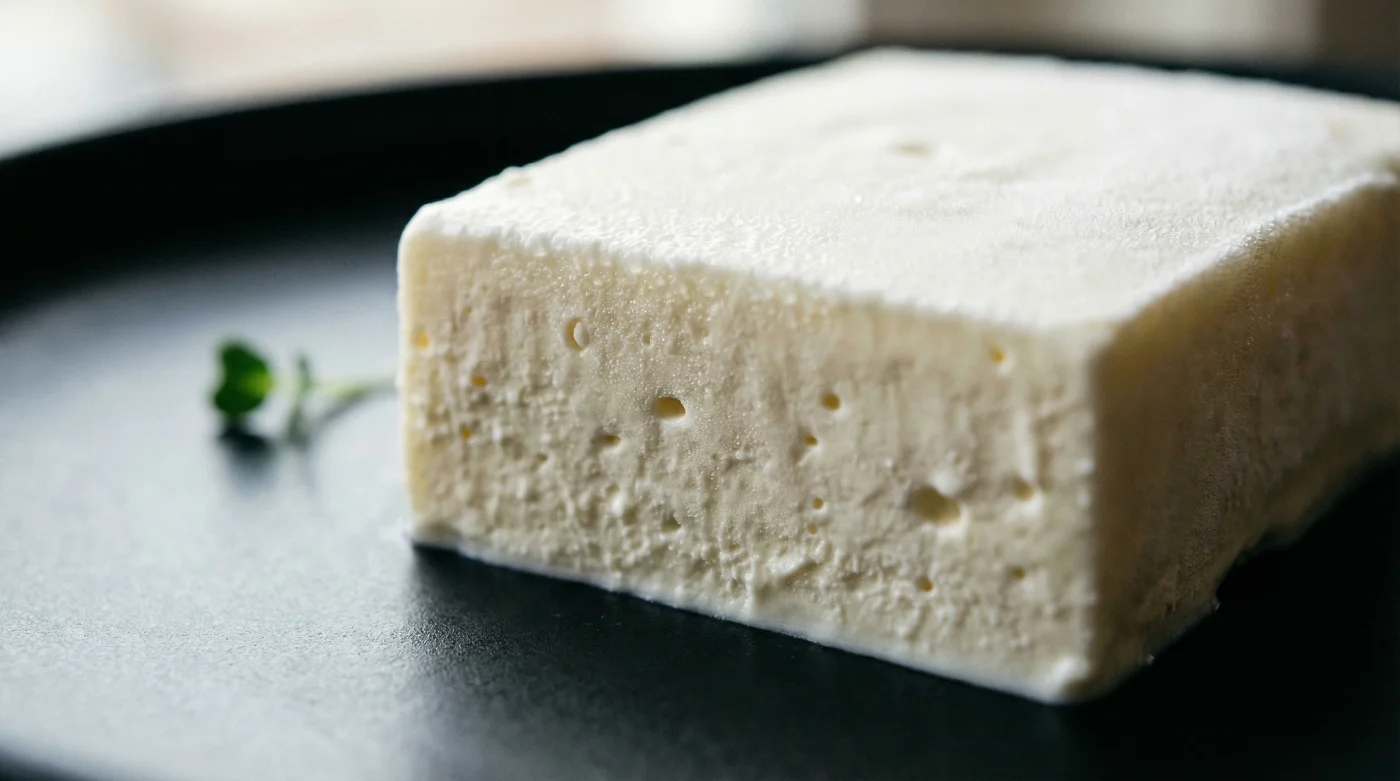
The final moment of plating a rich borscht or a heavily roasted baked potato often feels like a frantic race. Standard ambient room temperature sour cream hits the hot bowl and immediately loses its structural integrity.
You watch a slow, tragic puddle form across the surface of your dinner. The colours bleed together, leaving a messy, milky film rather than a striking, appetizing visual contrast.
Restaurant kitchens operate on a different physical plane, treating garnishes as structural components rather than simple condiments. Watch a line cook during a busy service, and you will notice their garnish stations are heavily temperature-controlled.
The secret to perfect, unmelting quenelles isn’t a synthetic stabilizer or hidden chemical. Cold equals architectural control, giving you the ability to turn a simple dairy staple into an unyielding geometric shape.
The Architecture of Chilled Dairy
You have likely been told to let certain dairy products temper slightly to coax out their complex flavours. But when you are plating hot food, that ambient warmth is your immediate enemy, acting like a solvent on butterfat.
Introducing a brief freezer shock tightens the natural fats without forming damaging ice crystals. You are carving marble, transforming a soft, unpredictable liquid into a reliable building material.
This semi-frozen state completely defies standard ambient temperature squeezing and spooning. The chilled dairy holds razor-sharp edges, sitting proudly on a hot surface and melting slowly from the base up.
Meet Clara Lavoie, a 34-year-old sous-chef at a hyper-local dining room situated just a few miles outside of Montréal. Clara spends her evenings turning humble root vegetables into edible geometry, relying heavily on temperature manipulation. Her station stays rigidly cold, with piping bags of 14% sour cream resting in the blast chiller for exactly seven minutes before service. “If the cream slumps, the dish looks tired,” she points out while tracing a perfect white arc across a dark ceramic plate.
Tailoring the Shock to Your Style
Not all dinners require the exact same structural rigidity, and your approach should adapt to the plate. How you apply the freezer shock depends entirely on your visual goals for the meal.
For the purist looking to drop a solitary, flawless quenelle into a bowl of chili, the fat content needs to be firm enough to roll off a hot spoon. A slightly longer chill ensures the edges remain acute, catching the dining room light.
If you prefer stark dots, lines, and swooshes, you need a different strategy. Transfer your sour cream to a piping bag first, then freeze it, ensuring the nozzle produces clean, sharp pillars that refuse to slump.
Perhaps you are serving a massive, family-style platter of roasted vegetables where piped dots would look entirely out of place. A much lighter shock provides enough viscosity to sweep thick, deliberate spoonfuls across the plate without freezing solid.
The Tactical Freezer Protocol
Execution requires mindful timing, not frantic effort in the kitchen. You are simply tightening the natural fats of the cream just enough to arrest its movement.
Let the container sit in the coldest zone of your freezer, usually near the back wall, keeping a close eye on the clock. Accuracy prevents icy textures, ensuring the dairy remains luxuriously smooth on the palate.
- Prep the medium: Stir the cream vigorously to break up any whey pockets, establishing a perfectly homogenous texture before chilling.
- Transfer before freezing: Fill your piping bag or squeeze bottle prior to the shock, as cooling happens faster in a thinner vessel.
- The 8-minute shock: Place the bag in the freezer at -18 Celsius and set a strict timer to avoid full freezing.
- The hot tool method: Dip your spoon in boiling water, wipe it instantly dry, and drag it through the stiffened cream to create a glossy finish.
Reclaiming the Visual Feast
Cooking at home often ends in a chaotic rush to get hot food onto the table before it cools down. By structurally reinforcing your garnish, you actively buy yourself extra time during this stressful window.
The chilled dairy holds its ground against the residual heat of a seared steak or a steaming bowl of soup. You command the visual pace, turning a frantic weeknight plating session into a moment of deliberate calm.
We eat first with our eyes, and when the elements on your plate remain distinct and intentional, the entire meal feels incredibly refined.
You shift from simply spooning a condiment to presenting a thoughtfully crafted experience. Temperature is your secret ingredient, allowing you to build beautiful, towering flavours every single night.
“You want the dairy to stand up and speak on the plate, not apologize and melt into the broth.” — Clara Lavoie, Sous-Chef
| Key Point | Detail | Added Value for the Reader |
|---|---|---|
| Ambient Squeezing | Standard room temperature piping or spooning. | Cream collapses quickly, blending into broths and ruining presentation. |
| The Freezer Shock | Chilling cream at -18 Celsius for exactly 8 minutes. | Locks the fats to create sharp, unyielding geometric shapes. |
| Hot Tool Shaping | Dragging a heated, dried spoon through the shocked dairy. | Leaves a glossy, professional finish on your structural quenelles. |
Frequently Asked Questions
Will freezing sour cream ruin the texture?
A brief eight-minute shock only firms the fats without forming ice crystals, keeping the texture velvety.Can I use low-fat sour cream for this technique?
You need at least 14% milk fat to hold a shape, as lower fat contents will crystallize and split.How long will the geometric shapes hold on a hot plate?
A properly shocked quenelle will resist melting for five to ten minutes, giving you plenty of time to serve.Do I need special tools to make these shapes?
A simple heavy-gauge metal spoon or a basic plastic sandwich bag with the corner snipped off works perfectly.Does this method work with yogurt or crème fraîche?
Yes, full-fat crème fraîche responds beautifully to a freezer shock, though thinner yogurts may require straining first.