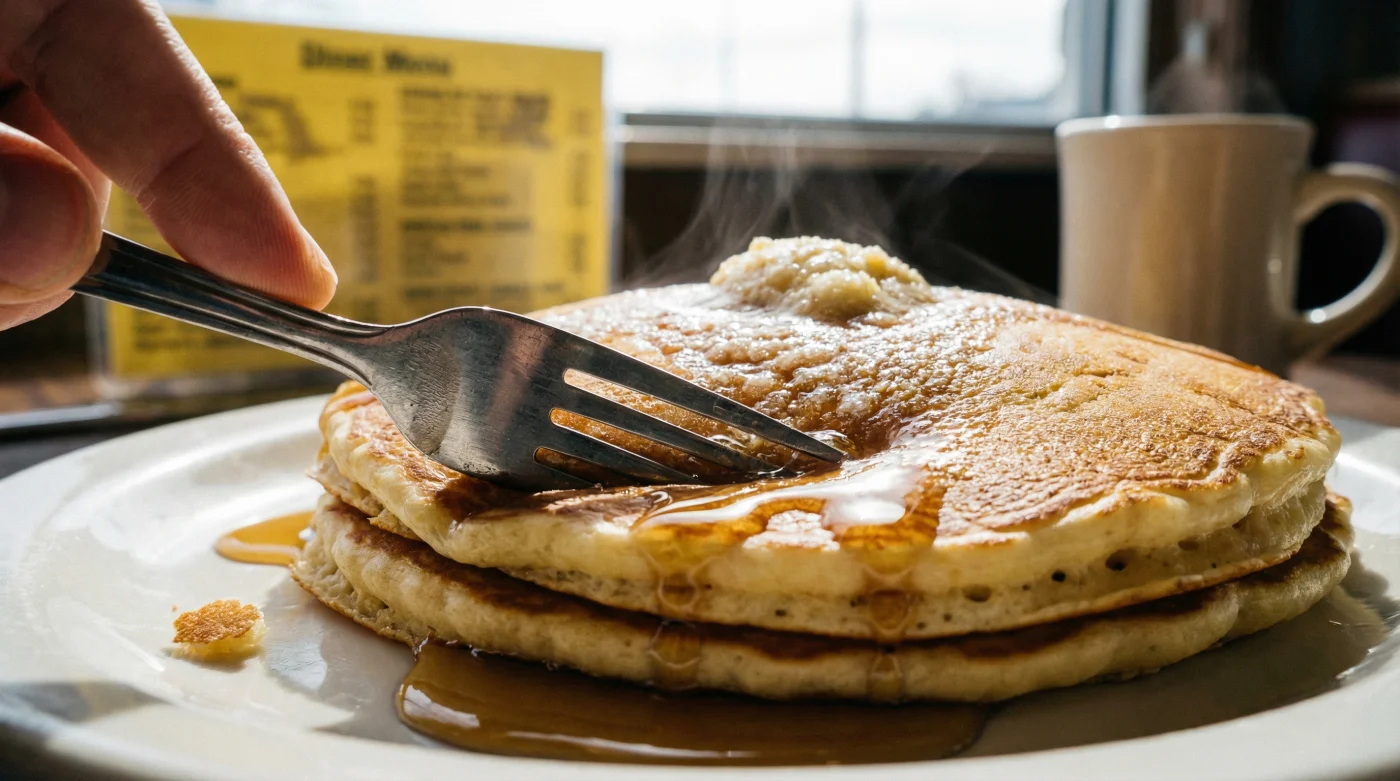
Imagine sliding into a cracked red vinyl booth while a harsh Canadian wind rattles the glass. The air smells like roasted coffee beans and rendered fat, a heavy, familiar perfume that promises warmth. You expect the menu to be an anchor, a static list of comfort food that resists the changing world outside.
But pay attention to the plate arriving at your table. The legendary golden crust on those shredded potatoes carries a crisper, lighter structural bite, born not from tradition, but from necessity.
A quiet disruption is sweeping through national supply networks, subtly altering the DNA of North America’s most recognizable morning spread. Behind the swinging metal doors, line cooks are abandoning decades of muscle memory to adapt to sudden agricultural shortages affecting their core fat and frying oil blends.
You might assume a missing institutional ingredient spells an immediate disaster. Instead, this severe constraint is forcing a brilliant flat-top pivot, reshaping how a beloved diner staple behaves under heat.
The Illusion of Infinite Diner Continuity
We treat a massive franchise breakfast like a monument carved in stone, expecting the exact same flavour profile whether we are in Vancouver or Halifax. The reality is that commercial kitchens operate closer to a living, breathing organism, highly sensitive to slight shifts in commodity prices and delivery trucks.
The current reality is a sudden shortfall in the commercial high-smoke-point butter alternatives that previously coated the griddles. Stripped of this industrial crutch, kitchens are finding an advantage in the flaw, utilizing distinct temperature zones to replicate the old magic.
It requires moving away from the assumption that breakfast is just throwing raw ingredients onto a hot slab of steel. By paying attention to the specific heat conductivity of the remaining oils, the process becomes more like coaxing flavour out of a quiet instrument.
The resulting dishes look identical at a glance, but they hold a cleaner, less greasy finish that feels noticeably lighter on the palate.
The Frontline Shift
Enter Elias Thorne, a 54-year-old diner logistics director based in Toronto. Last autumn, as global supply chain ripples hit his distributor network, he faced the reality of keeping hundreds of griddles running without their staple proprietary frying blend.
Elias watched as his seasoned cooks initially panicked, only to discover that blending standard canola with small, measured dabs of real butter created an unexpectedly rich flavour profile that outshone the original artificial product.
Adapting to the Plate’s New Rhythm
This invisible pivot alters the morning experience depending on what you order. Understanding the nuance helps you recreate that exact diner magic in your own kitchen.
For the Hashbrown Purist: The potatoes now require a slightly lower temperature for a longer duration. This draws out the natural starches, creating a sturdier, shatter-crisp exterior without absorbing excessive residual grease.
For the Scrambled Egg Loyalist: Standard oils coat the pan differently than artificial butter blends. Cooks now pull the eggs from the heat a fraction earlier, allowing the residual warmth to finish the curd, so the egg sets softly, almost like it is breathing through a pillow.
For the Pancake Traditionalist: The absence of the old griddle grease means the batter hits a drier surface. This results in a more defined, porous edge that soaks up pure maple syrup far more effectively.
The Tactical Kitchen Pivot
Recreating this resilient diner method at home strips away the reliance on highly processed cooking sprays. It forces you to become mindful of how heat and pure fats interact with cold proteins.
The strategy revolves around temperature control and layering your fats. Rather than flooding your pan blindly, you establish a methodical, two-step heating process that builds flavour structurally.
- The 175 Celsius Rule: Keep your cooking surface exactly at 175 degrees Celsius. This prevents the primary oil from scorching while ensuring proteins sear immediately upon contact.
- The Dry Sear: Press shredded potatoes directly onto a dry, pre-heated surface for thirty seconds before introducing any fat, letting the starches grip the pan.
- The Fat Finish: Introduce a tiny knob of real butter during the final forty seconds of cooking. It should foam rapidly, kissing the food with dairy solids rather than drowning it.
Finding Peace in the Evolution
It is easy to lament the loss of the exact breakfast plate you remember from twenty years ago. We attach profound nostalgia to the specific taste of late-night comfort food and bleary-eyed morning rituals.
Yet, there is something deeply reassuring about this adaptation. Realizing that even massive restaurant chains must bow to the rhythm of global harvests offers a humbling, shared human experience that grounds us in the present.
By letting go of the demand for absolute, artificial consistency, you make room for a better, more deliberate meal. The plate in front of you might not perfectly match your childhood memory, but the care required to cook it has genuinely improved.
Next time you hear the clatter of a spatula against a diner flat-top, you will recognize the quiet artistry at play. It is no longer just breakfast; it is a masterclass in culinary resilience unfolding right before your eyes.
The limitation of an ingredient is never the end of a dish; it is simply an invitation to listen closer to the pan.
| Key Point | Detail | Added Value for the Reader |
|---|---|---|
| Traditional Method | Relied on heavily processed margarine blends. | Comforting nostalgia but heavier digestion. |
| The New Standard | Dry-sear technique with minimal pure dairy butter. | Lighter, cleaner mouthfeel with superior crispness. |
| Home Application | Two-step heating process utilizing precise temperature zones. | Restaurant-tier textures without excessive greasiness. |
Frequently Asked Questions
Why does the hashbrown texture feel different recently?
Because the commercial griddle requires a longer sear at lower temperatures now. This results in a much cleaner bite with minimal thermal interference from heavy oils.
Is Denny’s breakfast menu permanently altered?
Yes, the adaptation to alternative frying methods is a permanent fixture as nationwide logistics continue to prioritize stability over artificial ingredients.
How can I replicate this new diner style at home?
Separate your cooking fats. Letting potatoes dry-sear before adding a tiny amount of real butter stabilizes the centre mass beautifully.
Does this change affect the nutritional value of my breakfast?
Eliminating the heavy proprietary margarine blends significantly reduces the greasy residue on your plate, offering a slightly lighter meal.
Will the scrambled eggs still taste the same?
They taste arguably better. Relying on residual heat rather than intense artificial fat yields pure, unmasked ingredient profiles that highlight the egg itself.